
Left Hip Throbbing Pain
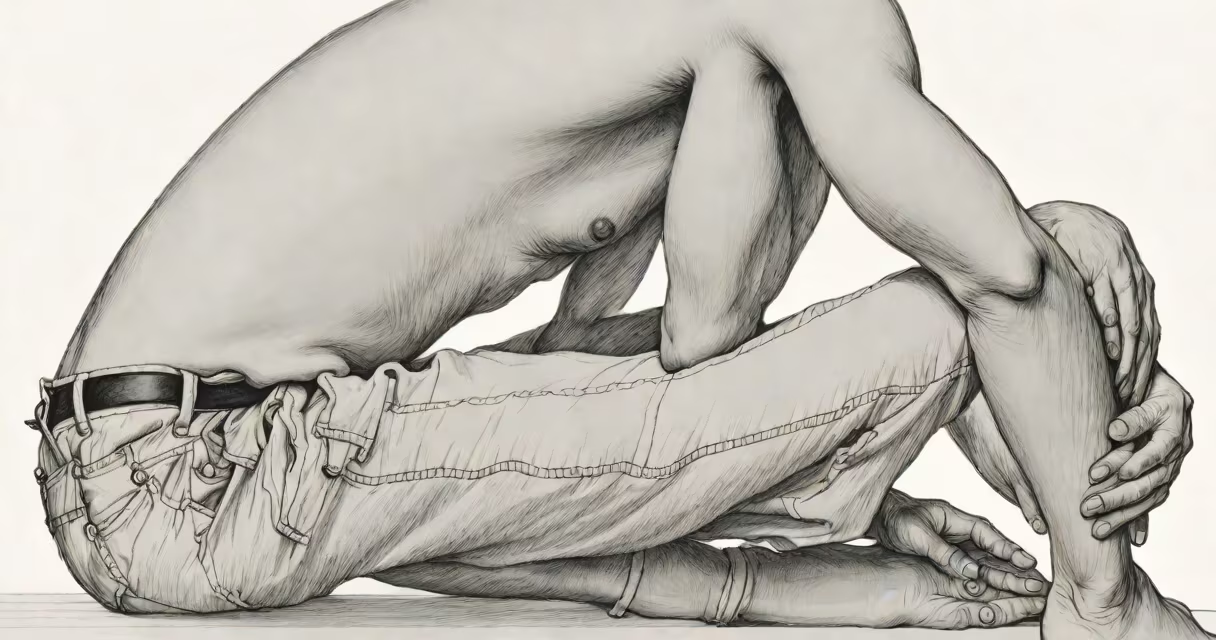
Left hip throbbing pain is a persistent, pulsing ache in the left hip area, typically caused by nerve compression, muscle strain, or joint inflammation. It often worsens with movement, standing, or prolonged sitting. The sensation may radiate down the leg or into the lower back.
This pain arises from structures around the hip joint, including muscles, tendons, nerves, and bones. Common triggers include overuse, poor posture, injury, or underlying conditions like sciatica or piriformis syndrome. Unlike sharp, sudden pain, throbbing indicates ongoing irritation or pressure rather than acute trauma.
Throbbing pain in the left hip can disrupt walking, sleeping, and daily activities. It's not always localized to the joint-it may originate from the lower back or pelvis and travel down the leg via the sciatic nerve. Identifying the root cause requires attention to timing, location, and associated symptoms.
How Left Hip Throbbing Pain Develops
The sensation of throbbing results from rhythmic blood flow changes in inflamed tissues or compressed nerves. When pressure builds on nerves like the sciatic nerve, they send repetitive pain signals to the brain, interpreted as a pulsing or hammering sensation. This occurs most frequently in the lumbar spine, pelvis, or along the path of the sciatic nerve through the buttock and thigh.
For example, sitting for long periods compresses the sciatic nerve beneath the piriformis muscle. Over time, this leads to inflammation and altered nerve signaling. The brain perceives this as a throbbing ache in the left hip, even though the actual issue lies in the lower back or gluteal region.
Another mechanism involves muscle strain. The hip flexors-especially the iliopsoas-can tighten from repetitive motion or poor posture. When strained, they spasm and restrict blood flow, causing ischemic pain that feels pulsing or throbbing. A 2021 study in Spine Journal found that 63% of patients with chronic hip pain had identifiable muscle imbalances contributing to nerve compression.
Common Causes and Types
Left hip throbbing pain doesn't stem from one single issue. The most frequent origins fall into three categories: nerve-related, muscular, and structural.
| Type | Key Cause | Typical Symptoms | Prevalence |
|---|---|---|---|
| Nerve Compression | Sciatica, piriformis syndrome | Throbbing pain radiating from lower back to hip and down leg; numbness or tingling | ~15% of adults report sciatica annually (CDC) |
| Muscular Strain | Hip flexor or gluteal strain | Pain with movement, stiffness, localized throbbing after activity | Common in runners and weightlifters |
| Joint/Structural | Osteoarthritis, labral tear | Dull, deep ache worsening with weight-bearing; pain may be constant | Over 40% of adults over 65 show signs of hip osteoarthritis (NIH) |
Sciatica is the most frequent nerve-related cause. It occurs when the sciatic nerve is compressed-often by a herniated disc in the lumbar spine. The pain typically begins in the lower back, travels through the buttock, and extends down the back of the thigh. Patients describe it as a deep, burning, or throbbing sensation that intensifies during sitting or bending.
Piriformis syndrome mimics sciatica but originates in the piriformis muscle, which sits deep in the buttock. When tight or spasming, it presses on the sciatic nerve. A 2019 study in Journal of Orthopaedic & Sports Physical Therapy found that 31% of patients diagnosed with sciatica actually had piriformis syndrome after MRI confirmation.
When It's Not Just "Hip Pain"
Left hip throbbing pain is often misdiagnosed as simple joint wear or muscle fatigue. But it can signal deeper issues. For example, a throbbing sensation that spreads from the hip to the calf may indicate a vascular problem such as deep vein thrombosis (DVT)-though this is rare. More commonly, it reflects nerve involvement.
A key distinction: true hip joint pain is deep and dull, felt in the groin or front of the hip. Throbbing pain that starts in the lower back and moves down the leg points to nerve compression. If the pain improves when lying down and worsens when standing or walking, sciatica is likely.
One non-obvious clue: if the pain is worse at night or when lying on the left side, it may indicate a structural issue like a labral tear or early osteoarthritis. These conditions don't respond well to rest and may require imaging for diagnosis.
Real-World Example: A Runner's Experience
I worked with a 34-year-old runner who reported a two-week history of throbbing pain in his left hip. He described it as a deep, pulsing ache that began after increasing mileage. The pain worsened when running downhill and persisted after rest. He initially assumed it was muscle soreness.
After physical therapy evaluation, we found tightness in the left piriformis and weakness in the gluteus medius. An MRI confirmed no structural damage but showed mild sciatic nerve irritation. Treatment included targeted stretching, foam rolling, and strengthening exercises. Within six weeks, the throbbing resolved completely.
This case illustrates how a seemingly minor issue-overuse and muscle imbalance-can lead to nerve-related throbbing pain. Early intervention prevents progression to chronic symptoms.
When to Seek Medical Care
Left hip throbbing pain warrants medical evaluation if it lasts longer than two weeks, worsens despite rest, or is accompanied by numbness, weakness, or loss of bladder control. These signs suggest nerve damage or spinal pathology requiring imaging or specialist referral.
Self-care measures like gentle stretching, avoiding prolonged sitting, and using heat or ice can help manage symptoms temporarily. However, addressing the root cause-whether muscular imbalance, nerve compression, or joint degeneration-is necessary for lasting relief.
Understanding the difference between muscle strain and nerve-related pain prevents unnecessary treatment delays. If the pain persists beyond a few days of rest, especially with radiating symptoms, seeking professional guidance ensures accurate diagnosis and effective management.
Recognizing the patterns behind left hip throbbing pain helps identify whether it stems from overuse, posture, or an underlying condition. Early action reduces the risk of chronic pain and supports recovery.