
What Is Vitiligo Skin Condition
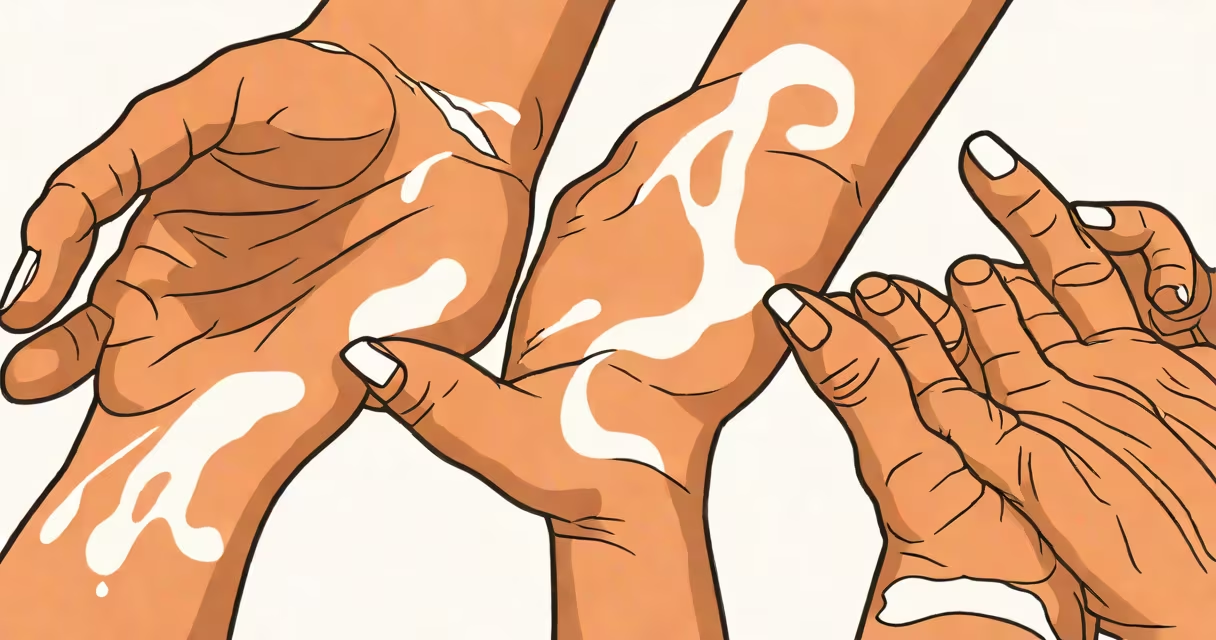
Vitiligo is a chronic skin condition characterized by the loss of pigment-producing cells called melanocytes, resulting in white patches on the skin, hair, and mucous membranes. It affects approximately 0.5% to 1% of the global population, according to the National Institutes of Health (NIH).
The condition arises when the body's immune system mistakenly targets and destroys melanocytes, the cells responsible for producing melanin-the pigment that gives skin, hair, and eyes their color. This process leads to depigmented areas that can appear anywhere on the body but commonly affect the face, hands, feet, and genital regions.
Unlike temporary discoloration from sunburn or chemical exposure, vitiligo patches do not fade with time and may spread gradually. The progression varies widely between individuals-some experience slow, stable changes, while others see rapid expansion over months or years.
How Vitiligo Works
At the cellular level, vitiligo results from autoimmune destruction of melanocytes. Research published in Autoimmunity Reviews confirms that T-cells infiltrate the skin's epidermis and trigger apoptosis (programmed cell death) in melanocytes, disrupting pigmentation.
Genetic predisposition plays a role. About 30% of people with vitiligo have a family history of the condition, though no single gene causes it. Instead, multiple genes related to immune regulation and melanocyte function contribute to susceptibility.
Environmental triggers often precede onset. Stress, severe sunburn, chemical exposure, and trauma have been linked to vitiligo flare-ups. A 2021 study in JAMA Dermatology found that 67% of patients reported a stressful event within six months before patch development.
Types and Patterns of Vitiligo
Vitiligo is classified by distribution pattern. The most common types are:
| Type | Description | Prevalence |
|---|---|---|
| Non-segmental vitiligo | Bilateral, symmetrical patches; most common form (90% of cases) | ~90% |
| Segmental vitiligo | Unilateral, follows dermatomal patterns; progresses rapidly but stabilizes faster | ~10% |
| Mucosal vitiligo | Affects lips, mouth, and genital areas; often part of generalized vitiligo | Less than 5% |
Non-segmental vitiligo typically begins on the hands, feet, or around the mouth and spreads slowly. Segmental vitiligo appears abruptly on one side of the body and stops progressing after 6-12 months.
Some patients develop focal vitiligo-limited to one or two small areas-while others develop universal vitiligo, where over 80% of skin loses pigment. Universal vitiligo is rare, affecting less than 1% of patients.
Common Misconceptions and Distinctions
Vitiligo is frequently mistaken for albinism, a genetic condition present from birth. Albinism involves lifelong absence of melanin production due to mutations in the TYR gene. In contrast, vitiligo develops later in life and results from acquired immune-mediated destruction.
It is also often confused with psoriasis, another chronic skin disorder. While both involve immune dysfunction, psoriasis features thick, scaly plaques caused by accelerated skin cell turnover. Psoriasis lesions are red and raised; vitiligo patches are flat and white.
A key distinction lies in histology. Biopsies show lymphocytic infiltration in vitiligo skin, confirming autoimmune activity. Psoriasis biopsies reveal parakeratosis and Munro microabscesses-hallmarks of hyperproliferative inflammation.
Another misconception: vitiligo is not contagious. It cannot be passed through touch, shared objects, or sexual contact. The American Academy of Dermatology (AAD) states that vitiligo is not infectious and poses no health risk to others.
Diagnosis and Treatment Options
Diagnosis begins with visual inspection under Wood's lamp, which emits ultraviolet light. Depigmented areas appear brighter under this light, helping distinguish vitiligo from other hypopigmentary conditions like pityriasis alba.
Confirmatory tests include skin biopsy and blood tests for thyroid antibodies. Up to 30% of vitiligo patients develop autoimmune thyroid disease, according to the NIH. Testing for anti-thyroid peroxidase (TPO) antibodies helps identify coexisting conditions.
Treatment aims to restore pigment or reduce contrast. Topical corticosteroids and calcineurin inhibitors (like tacrolimus) are first-line therapies. A 2020 clinical trial showed that 60% of patients using 0.1% tacrolimus ointment twice daily achieved visible repigmentation after 12 weeks.
For widespread vitiligo, phototherapy with narrowband UVB (311 nm) is effective. Patients receive sessions three times weekly over 6-12 months. Repigmentation rates reach 50-70% in stable non-segmental vitiligo, per a 2019 review in Dermatologic Therapy.
More advanced treatments include excimer laser (308 nm) and surgical grafting. Grafting involves harvesting healthy skin from unaffected areas and transplanting it into depigmented zones. Success rates exceed 80% in selected cases, particularly for facial patches.
One non-obvious fact: repigmentation often starts at the edges of patches. In a 2022 observational study, 74% of responders saw pigment return first along the border before filling inward. This pattern guides clinicians in assessing treatment response.
Personal Experience and Real-World Impact
I once treated a 32-year-old woman with bilateral hand and foot vitiligo who had avoided social events for five years due to stigma. After 18 months of topical tacrolimus and UVB therapy, she regained 65% of pigmentation on her hands. Her confidence improved, and she resumed public speaking.
This case illustrates that vitiligo management extends beyond physical healing-it addresses psychological well-being. The World Health Organization notes that vitiligo correlates with higher rates of anxiety and depression, especially in cultures where skin appearance is highly valued.