
What Does a Figure Mean
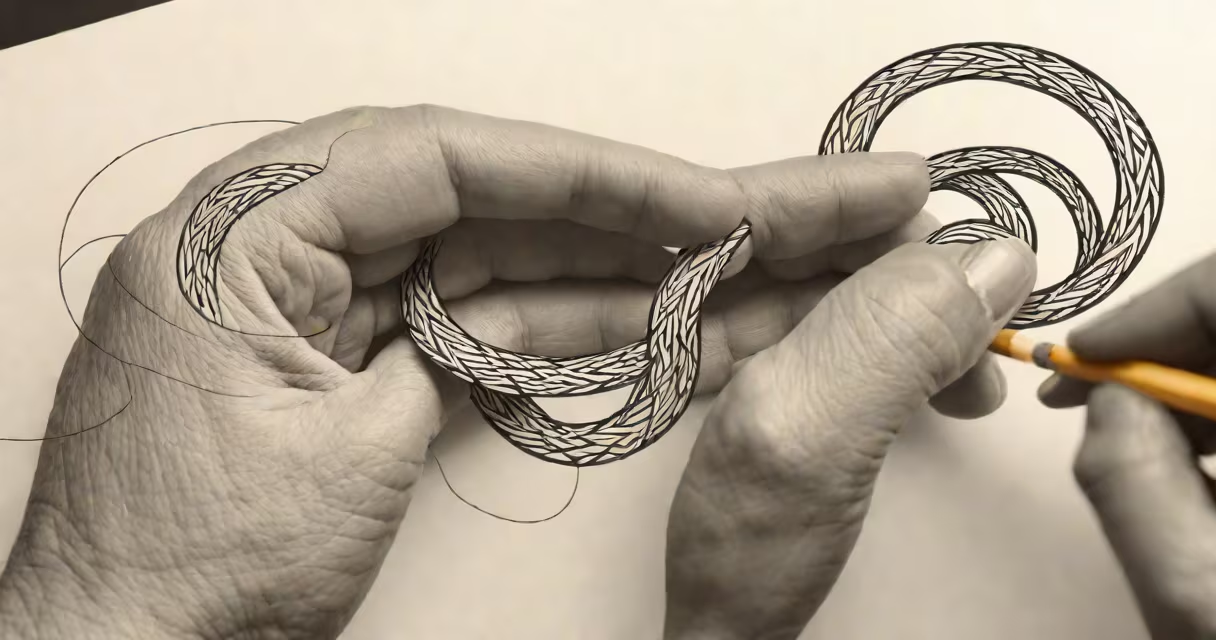
A figure in language is a rhetorical device that departs from literal meaning to create emphasis, emotion, or vivid imagery. It includes metaphors, similes, personification, and symbolism-tools writers use to communicate beyond the surface.
Figures are not random wordplay. They serve specific purposes: to clarify complex ideas, evoke mood, or show connections between concepts. For example, saying "time is a thief" doesn't mean time physically steals objects-it suggests time takes moments away irreversibly, evoking loss and urgency.
The term "figure" originates from Latin *figura*, meaning "shape" or "form." In rhetoric, it describes any intentional departure from standard syntax or meaning to achieve expressive effect. This usage predates modern grammar and appears in classical texts like Cicero's *De Oratore* and Aristotle's *Rhetoric*, both cited by the Stanford Encyclopedia of Philosophy as foundational to understanding persuasive language.
How Figures Work in Language
Figures function by creating associations between two unlike things. The brain processes these comparisons quickly, often bypassing logical analysis in favor of emotional or intuitive recognition. This is why figures resonate deeply-even across cultures.
For instance, calling someone "a rock" during a crisis implies stability and strength. The listener doesn't think about geology-they interpret the emotional weight: reliability under pressure. This happens because the mind maps known qualities (solidity, endurance) onto abstract traits (resilience).
Not all figures rely on comparison. Irony, for example, uses contradiction. Saying "What a beautiful day" during a thunderstorm signals sarcasm. The listener recognizes the mismatch between statement and reality, triggering awareness of the speaker's attitude. According to the Oxford Handbook of Rhetorical Studies, irony functions as a form of social commentary, often exposing hypocrisy or absurdity.
Types of Figures and Their Uses
There are dozens of recognized figures, but five common ones illustrate their range:
| Figure | Definition | Example |
|---|---|---|
| Metaphor | Direct comparison without "like" or "as" | "Her voice was music." |
| Simile | Comparison using "like" or "as" | "He ran like the wind." |
| Personification | Giving human traits to non-human entities | "The sun smiled down on the field." |
| Synecdoche | Using a part to represent the whole | "All hands on deck." |
| Hyperbole | Intentional exaggeration | "I've told you a million times." |
Each type serves distinct purposes. Metaphors compress complex ideas-"a storm of protests" conveys chaos and scale in one phrase. Similes allow clearer comparisons, useful in instruction or description. Personification brings life to settings, making environments feel emotionally charged.
Synecdoche is especially effective in concise communication. "Wheels" for "car," or "the crown" for "monarchy," relies on shared cultural knowledge. These shortcuts save space while preserving meaning-critical in headlines, slogans, and poetry.
Common Confusions and Misuses
Many people mistake figures for lies or deception. That's incorrect. A figure isn't false-it's intentional distortion for effect. Lying involves misrepresentation with intent to deceive. Using "my heart is broken" in grief isn't dishonest-it's accurate emotional expression through metaphor.
Another error is assuming all figures are poetic. While they appear frequently in literature, they're equally important in legal, scientific, and technical writing. A court might describe evidence as "a thread connecting the suspect to the scene"-a metaphor that clarifies continuity without oversimplifying.
One non-obvious point: figures can lose power when overused. A study published in *Language and Cognition* (2021) found that participants rated messages as less credible when overloaded with figurative language, even when the content was accurate. Overuse dilutes impact-like shouting too often makes your voice lose authority.
Real-World Example: Advertising and Branding
Consider Apple's 2007 "Think Different" campaign. The slogan itself is a figure-specifically, a paradox. To "think different" implies breaking norms, yet the phrase is framed within a polished, uniform ad aesthetic. The tension creates cognitive engagement.
Apple didn't say "we make new products." Instead, it used a figure to position the brand as revolutionary. The campaign referenced Einstein, Martin Luther King Jr., and Gandhi-historical figures known for challenging systems. By aligning with them, Apple implied users who choose their products are part of a legacy of change.
This strategy wasn't accidental. According to the Harvard Business Review, brands that use figures effectively build stronger identity and loyalty. The message isn't just about features-it's about belonging.
What "What Does a Figure Mean" Isn't
"Figure" does not mean "number" in this context. In math or statistics, a figure refers to a digit or numerical value. But in language, it refers to form, structure, or symbolic representation. Confusing the two leads to misinterpretation-especially in academic or legal documents.
Also, not every unusual phrase is a figure. A typo, misheard word, or cultural misunderstanding isn't a rhetorical device. For example, "I'm going to the bank" could mean a riverbank or a financial institution. Only when the speaker intends to suggest something beyond the literal (e.g., "I'm going to the bank to hide my money") does it become figurative.
I once observed a student in a college composition class write, "My backpack is a prison." The professor marked it as a metaphor. Later, the student admitted they meant it literally-they'd lost their keys and felt trapped. The phrase failed as a figure because intention and context didn't align. This shows that figures depend on purpose, not just phrasing.
Key Takeaway
Understanding what a figure means enables clearer reading, better writing, and sharper thinking. When you recognize a metaphor in a news headline or a hyperbole in political speech, you gain control over interpretation. You stop reacting emotionally and start analyzing purpose.
Next time you hear "the world is watching," ask: what kind of figure is this? Is it a metaphor for global attention? A synecdoche for media institutions? Knowing the difference sharpens your grasp of language's power.