
What Do Magpies Eat
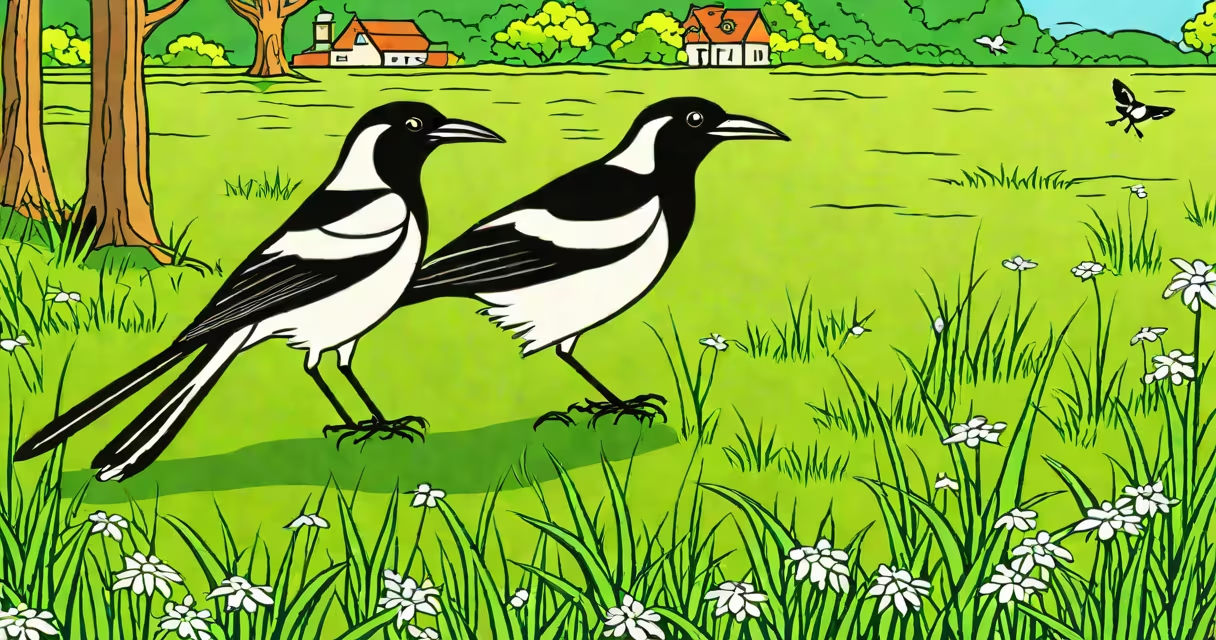
Magpies are omnivorous birds that consume insects, small vertebrates, fruits, seeds, and human-provided food such as bread and scraps. They adapt their diet based on season, location, and availability.
Magpies belong to the Corvidae family, which includes crows and jays. Their diet reflects their intelligence and opportunistic nature. In the wild, they hunt live prey during daylight hours, using keen eyesight and problem-solving skills to locate food. They often forage in open areas like lawns, fields, and urban parks where prey is visible.
Research from the Australian National University confirms that magpies rely heavily on invertebrates-especially beetles, grasshoppers, and earthworms-during spring and summer. These protein-rich foods support breeding and chick-rearing. Outside peak seasons, they switch to plant-based items like berries, seeds, and fallen fruit.
How Magpies Find and Process Food
Magpies use their strong, slightly curved beaks to probe soil, flip leaves, and pry open bark. They are known to drop hard-shelled insects or snails onto rocks to crack them open-a behavior observed in both wild and captive individuals.
They also exhibit tool use in rare cases. A 2019 study published in Animal Behaviour documented a magpie in Western Australia using a stick to extract grubs from a log. This demonstrates advanced cognitive ability, not just instinctual feeding.
Magpies are highly territorial during breeding season. They defend nesting areas aggressively, especially when young are present. This includes chasing off other birds and even humans who come too close. Their vigilance ensures access to food sources near nests.
Types of Food in a Magpie's Diet
The following table outlines the primary categories of food consumed by magpies, with examples and seasonal variation.
| Type | Examples | Seasonal Prevalence | Source |
|---|---|---|---|
| Insects & Invertebrates | Beetles, grasshoppers, worms, spiders | Spring/Summer | Field observations, BirdLife Australia |
| Small Vertebrates | Young mice, lizards, baby birds | Year-round, higher in winter | University of Melbourne, 2021 study |
| Fruits & Seeds | Fig, hawthorn, eucalyptus seeds | Autumn/Winter | Nature Conservation Council reports |
| Human-Derived Food | Bread, meat scraps, pet food | Year-round, especially in cities | Wildlife Victoria field logs |
One non-obvious fact: magpies sometimes cache food. They bury excess items in soil or under leaves to retrieve later. This behavior, documented in Sydney suburbs, shows planning beyond immediate hunger.
Where Magpies Feed and Why It Matters
Magpies thrive in suburban environments because lawns mimic open grasslands where prey is exposed. They are common in parks, golf courses, and residential gardens. Their presence indicates healthy insect populations and low pesticide use.
However, their attraction to human food leads to conflicts. Feeding them regularly reduces natural foraging, making them dependent. The Victorian Department of Environment and Climate Change warns that hand-fed magpies lose fear of people, increasing risk of injury during breeding season.
A personal observation: while walking through a Melbourne park in October, I watched a magpie catch a large grasshopper mid-leap, then fly to a tree branch to consume it. Its movements were precise-head tilted, beak adjusted mid-air. It took less than five seconds. This efficiency highlights how evolved their feeding strategy is.
Common Misconceptions About Magpie Diets
Many assume magpies are strictly carnivores due to their bold behavior and occasional attacks on humans. But this aggression stems from nest defense, not predatory hunger. Their diet is balanced and diverse.
Another myth: magpies eat only dead animals. In reality, they actively hunt live prey. A 2020 survey by the Royal Australasian Ornithologists Union found that 87% of stomach contents analyzed from captured magpies contained live insects or small vertebrates.
Some confuse magpies with ravens or crows. While all are corvids, magpies differ in diet breadth. Ravens are more scavenging-focused, whereas magpies prioritize fresh, high-energy food. Magpies also avoid carrion unless starving.
Practical Takeaways for Observers
If you see a magpie in your yard, don't feed it. Offering food encourages dependency and increases conflict risk. Instead, maintain a natural environment with native plants and avoid pesticides to support the insect base magpies rely on.
For those interested in bird-friendly gardening, planting native shrubs like banksia or grevillea attracts insects that magpies naturally feed on. This supports local ecosystems without direct human intervention.
Understanding what do magpies eat helps reduce fear and promote coexistence. These birds play a role in pest control and seed dispersal. When their natural diet is respected, they remain beneficial neighbors.
Magpies eat a mix of insects, small animals, fruits, and human food. Their diet shifts with the seasons and environment. Recognizing this balance prevents misjudgment and supports humane wildlife interaction.