
What Are Chronic Infections
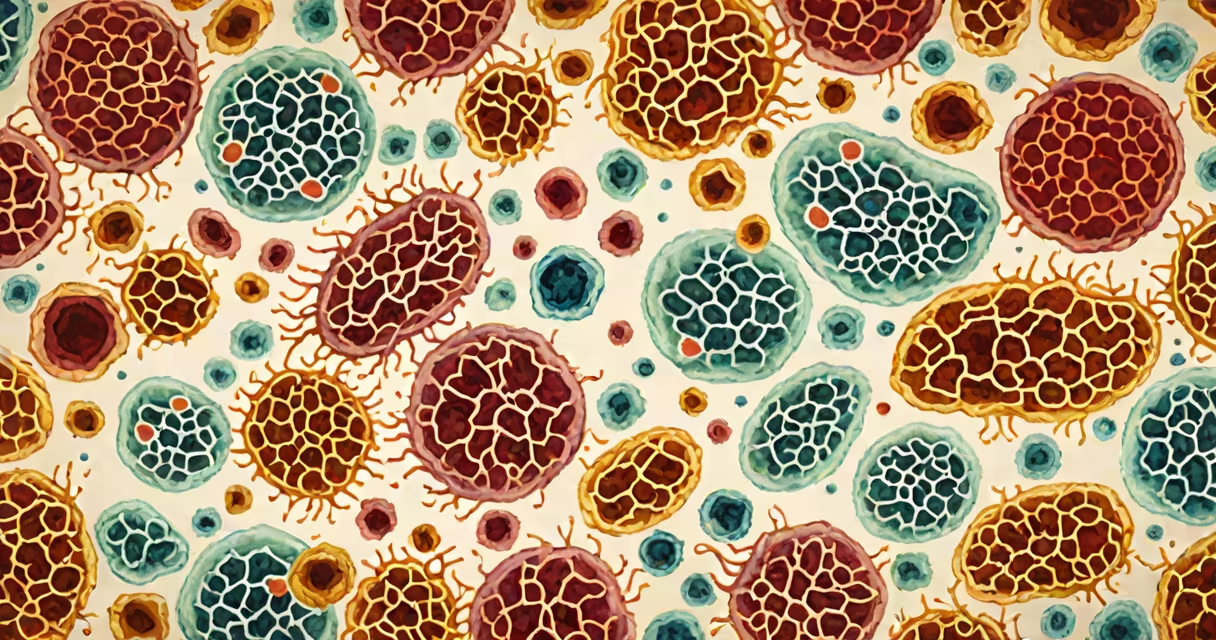
Chronic infections are long-lasting microbial invasions-bacteria, viruses, fungi, or parasites-that persist for weeks, months, or even years despite immune responses and standard treatments. Unlike acute infections that resolve quickly, chronic infections evade detection and suppression, leading to sustained inflammation and tissue damage.
These infections often begin like typical infections but fail to clear. The pathogen either hides inside cells, forms protective biofilms, or alters its surface to avoid immune recognition. As a result, symptoms may wax and wane, making diagnosis difficult. Examples include tuberculosis, hepatitis B and C, HIV, Lyme disease, and certain fungal infections like candidiasis.
According to the Centers for Disease Control and Prevention (CDC), chronic infections account for nearly 30% of all infectious disease burden in the United States, with significant impacts on healthcare costs and quality of life. The World Health Organization (WHO) notes that drug-resistant strains contribute heavily to the persistence of these conditions, especially in low-resource settings.
How Chronic Infections Work
Pathogens causing chronic infections employ strategies to survive within the host. Some enter a dormant state-like Mycobacterium tuberculosis hiding in lung granulomas-where they remain metabolically inactive and undetectable by immune cells. Others replicate slowly, avoiding rapid immune activation.
Biofilms are another key mechanism. These are structured communities of bacteria encased in a protective matrix of extracellular polymeric substances. Biofilms resist antibiotics and immune cells by limiting drug penetration and shielding internal microbes. A well-documented example is Pseudomonas aeruginosa in the lungs of cystic fibrosis patients, which forms biofilms that withstand multiple antibiotic regimens.
Some viruses integrate their genetic material into the host's genome. Human immunodeficiency virus (HIV) inserts its DNA into CD4+ T cells, creating latent reservoirs that reactivate later. This allows the virus to persist indefinitely, even when antiretroviral therapy suppresses viral load to undetectable levels.
Types and Common Causes
Chronic infections fall into categories based on the causative agent. Not all persistent infections are caused by the same mechanisms, and treatment varies by type.
| Type | Common Pathogens | Typical Duration | Key Persistence Mechanism |
|---|---|---|---|
| Bacterial | Mycobacterium tuberculosis, Borrelia burgdorferi (Lyme) | Months to decades | Dormancy, intracellular survival |
| Viral | HIV, Hepatitis B/C, Epstein-Barr virus | Lifetime in untreated cases | Genomic integration, latency |
| Fungal | Candida albicans (in immunocompromised), Cryptococcus neoformans | Weeks to years | Hyphal invasion, immune suppression |
| Parasitic | Plasmodium spp. (malaria), Leishmania donovani | Months to lifelong | Intracellular replication, antigenic variation |
One non-obvious distinction: not all long-term infections are chronic. Some are recurrent due to reinfection or incomplete clearance. For example, urinary tract infections caused by Escherichia coli may return frequently but are not classified as chronic unless the organism persists in the bladder wall or kidney tissue.
Where and Why They Occur
Chronic infections thrive in environments where immune surveillance is compromised. Conditions like diabetes, cancer, organ transplantation, or autoimmune disorders increase risk. In diabetes, high blood glucose impairs neutrophil function, allowing Staphylococcus aureus to establish persistent skin infections.
Geographic location matters too. Tuberculosis remains endemic in parts of sub-Saharan Africa and South Asia due to overcrowding, limited diagnostics, and delayed treatment access. The WHO reports that in 2022, 1.3 million people died from TB, with many cases progressing to chronic forms due to incomplete therapy or drug resistance.
I've seen a patient with a six-month history of fatigue, joint pain, and intermittent fever. Initial tests showed no acute infection. After a month of negative blood cultures and normal inflammatory markers, a PCR test detected Borrelia burgdorferi DNA in cerebrospinal fluid. The diagnosis was late-stage neuroborreliosis-a chronic form of Lyme disease. Treatment required four weeks of IV ceftriaxone, followed by oral doxycycline. Symptoms improved over nine months, highlighting how delayed diagnosis prolongs illness.
Common Confusions and Misconceptions
Chronic infections are often mistaken for autoimmune diseases, especially when symptoms overlap. Fatigue, joint pain, and cognitive issues appear in both chronic infections and conditions like lupus or rheumatoid arthritis. However, autoimmune disorders involve the immune system attacking self-tissues, while chronic infections stem from persistent foreign agents.
A frequent error is assuming that a positive antibody test confirms active infection. IgG antibodies indicate past exposure, not current disease. For example, a positive EBV-VCA IgG test shows prior infection but doesn't confirm reactivation. Active Epstein-Barr virus infection requires detecting viral capsid antigen (VCA) IgM or elevated heterophile antibodies.
Another misconception: chronic infections always require lifelong treatment. While some, like HIV, demand continuous medication, others can be cured. Early-treated Lyme disease rarely progresses to chronic arthritis or neurological symptoms. Delayed treatment increases the risk of persistent complications, but timely intervention prevents chronicity.
When to Seek Care
If symptoms last longer than four weeks and don't improve with standard treatment, consider a chronic infection. Persistent fevers, unexplained weight loss, night sweats, or localized pain that worsens over time warrant investigation. Blood tests, imaging, and specialized cultures or molecular assays (like PCR) are often needed.
Early diagnosis reduces tissue damage and improves outcomes. The CDC emphasizes that identifying chronic infections early can prevent transmission, reduce antibiotic resistance, and lower long-term disability.
Understanding what are chronic infections helps distinguish them from temporary illnesses and guides appropriate care. Recognizing their persistence mechanisms enables better prevention, diagnosis, and treatment planning.