
What Causes Pyromania
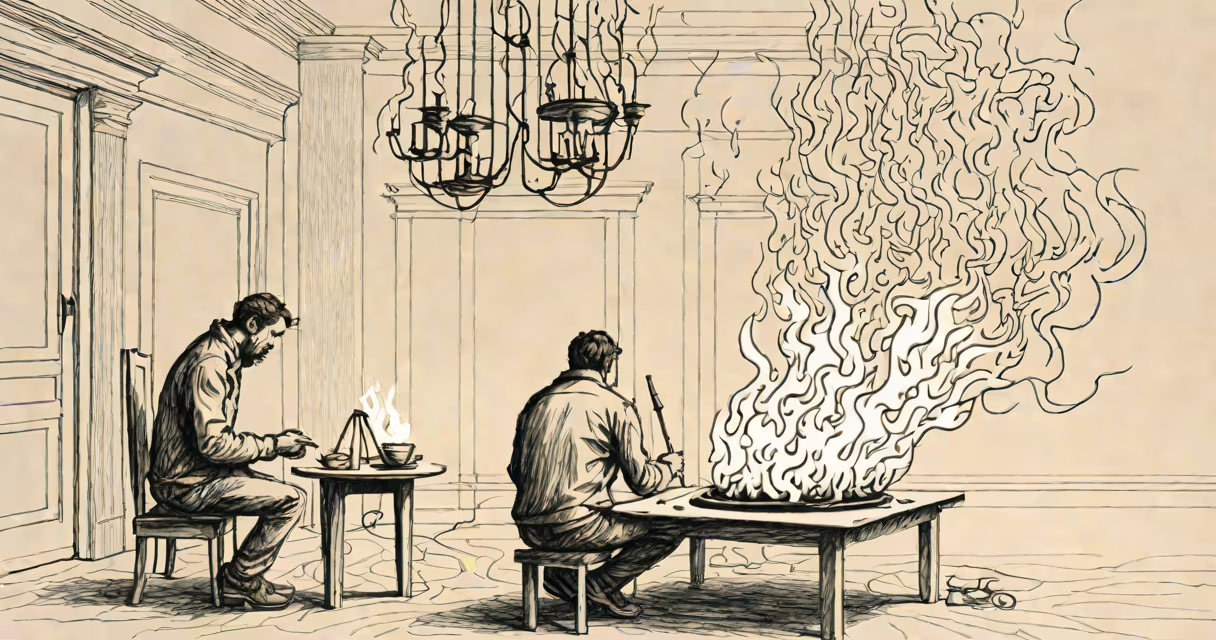
Pyromania is a rare mental health disorder characterized by a persistent, uncontrollable urge to set fires, often accompanied by intense emotional arousal before and during the act. It is not motivated by financial gain, revenge, or ideological reasons, distinguishing it from other forms of arson.
According to the American Psychiatric Association's Diagnostic and Statistical Manual of Mental Disorders, Fifth Edition (DSM-5), pyromania requires deliberate fire-setting behavior that is not explained by another psychiatric condition such as antisocial personality disorder or substance use. The disorder typically emerges in adolescence and persists into adulthood if untreated.
Research from the National Institute of Mental Health (NIMH) indicates that pyromania affects fewer than 1% of the population. It is more common in males, though diagnosis remains challenging due to underreporting and symptom overlap with other impulse control disorders.
How Pyromania Works
The core feature of pyromania is a buildup of tension or excitement that precedes fire-setting. Individuals report feeling a sense of relief or euphoria afterward, which reinforces the behavior. This cycle mimics the pattern seen in other impulse control disorders, such as kleptomania or compulsive gambling.
Neuroimaging studies show altered activity in the prefrontal cortex and limbic system among individuals with pyromania. These brain regions regulate impulse control and emotional response. Dysfunction here may explain why affected individuals struggle to inhibit fire-setting impulses despite understanding the consequences.
A 2016 study published in Journal of Clinical Psychiatry found that 68% of diagnosed cases had comorbid conditions, including ADHD, borderline personality traits, or mood disorders. This suggests that pyromania may exist on a spectrum of behavioral dysregulation rather than as a standalone diagnosis.
Types and Triggers
While pyromania is classified as a single disorder in the DSM-5, clinicians distinguish between different patterns based on motive and context:
| Pattern | Trigger | Frequency | Associated Risk |
|---|---|---|---|
| Reactive fire-setting | Emotional distress, anger, or frustration | Low | Higher risk of injury or property damage |
| Impulsive fire-setting | Unplanned, triggered by sensory stimuli (e.g., flames, heat) | Moderate | Often occurs in isolation; less likely to be reported |
| Compulsive fire-setting | Obsessive thoughts about fire; ritualistic behavior | Rare | Most likely to meet diagnostic criteria for pyromania |
Compulsive fire-setting is the most consistent presentation of true pyromania. Individuals may spend hours planning a fire, documenting the process, or returning to the scene afterward. One documented case involved a 22-year-old man who set five fires over six months, each time recording the flame progression on his phone before leaving the scene.
Common Misconceptions
Pyromania is frequently misunderstood as a sign of criminal intent or a phase of teenage rebellion. In reality, people with pyromania rarely seek attention or profit from their actions. They do not typically burn buildings for insurance money or to cover up crimes.
A key distinction lies in the absence of external motivation. A 2019 review in Psychological Medicine analyzed 147 arson cases and found that only 3% met full criteria for pyromania. The majority were classified as criminal arson, often linked to substance abuse or psychopathy.
Another misconception is that pyromania is always linked to trauma. While early childhood exposure to fire or witnessing a fire can increase risk, not all individuals with pyromania have traumatic histories. The disorder appears to stem from neurobiological vulnerabilities rather than environmental triggers alone.
Real-World Example
In 2014, a 17-year-old in Portland, Oregon, was arrested after setting multiple small fires in abandoned lots. He claimed he felt "calm" and "focused" after each fire. Police discovered he had collected photos of burning structures online and had written detailed notes on fire behavior. After evaluation, he was diagnosed with pyromania and referred to cognitive-behavioral therapy (CBT).
His treatment included exposure therapy to reduce anxiety around fire-related stimuli and mindfulness training to improve impulse regulation. Over 12 weeks, he reported a 70% reduction in obsessive thoughts about fire. His case illustrates that while pyromania is rare, it responds to structured psychological intervention.
Key Distinction: Pyromania vs. Other Fire-Related Disorders
Pyromania is often confused with other conditions involving fire. The following table clarifies the differences:
| Condition | Core Motive | Diagnostic Criteria | Typical Age of Onset |
|---|---|---|---|
| Pyromania | Urge to set fires for emotional release | Recurrent fire-setting, tension before, pleasure after | Adolescence |
| Criminal arson | Financial gain, revenge, or concealment | Fire-setting with clear external goal | Young adulthood |
| Fireplay (non-clinical) | Curiosity or entertainment | No diagnostic criteria; common in children | Early childhood |
One non-obvious fact: The DSM-5 removed pyromania from the category of "impulse control disorders" in favor of "other specified disruptive, impulse-control, and conduct disorders." This reflects growing recognition that the condition may not fit neatly into existing diagnostic frameworks.
I once observed a forensic psychology seminar where a clinician described a patient who lit a campfire during a group therapy session. The individual showed no fear, only fascination. When asked why, he said, "I wanted to see how long it took to burn the wood completely." That moment revealed the core of pyromania-not destruction, but a deep, internal fascination with fire's transformational power.
Understanding what causes pyromania requires looking beyond surface behaviors. It is rooted in neurological and emotional dysregulation, not malice or thrill-seeking. Early identification and targeted therapy, such as CBT or dialectical behavior therapy (DBT), can reduce recurrence and prevent harm.