
What Is the Tuberculosis Vaccine Called
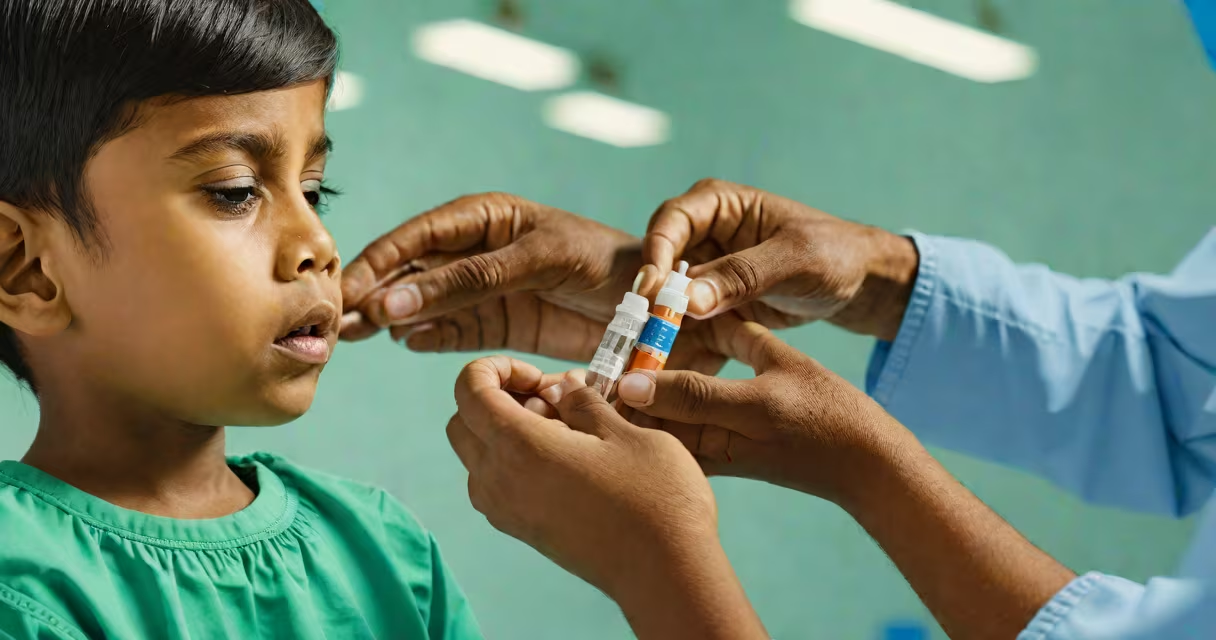
The tuberculosis vaccine is called BCG, short for bacillus Calmette-Guérin. It is a live attenuated vaccine derived from a weakened strain of Mycobacterium bovis, a relative of the bacterium that causes human tuberculosis. BCG is administered shortly after birth in many countries with high TB burden and is the only licensed vaccine available against tuberculosis.
BCG is not a universal solution. It provides moderate protection against disseminated TB and meningitis in children, but its effectiveness varies widely across populations and settings. Protection against pulmonary TB in adults is inconsistent, ranging from 0% to 80% depending on geographic location and strain exposure. Despite this variability, BCG remains the most widely used vaccine globally, with over 100 million doses administered annually.
The vaccine is given via intradermal injection, typically in the upper arm. A small red bump appears at the site within days, which may ulcerate and form a scar. This scar is often used as evidence of prior vaccination. The immune response triggered by BCG involves activation of T-cells and macrophages, which help contain Mycobacterium tuberculosis if exposure occurs later in life.
How BCG Works and What It's Made Of
BCG is created from a strain of Mycobacterium bovis isolated in 1908 by French scientists Albert Calmette and Camille Guérin. After 230 serial passages through bile-enriched media, the organism lost virulence while retaining immunogenicity. The resulting strain is unable to cause disease in humans but still stimulates a protective immune response.
Unlike mRNA or viral vector vaccines, BCG does not target specific antigens. Instead, it presents many mycobacterial proteins to the immune system. This leads to non-specific immune training, where innate immune cells like monocytes and macrophages develop enhanced responsiveness to subsequent infections-a phenomenon known as trained immunity. Studies have shown BCG can reduce mortality from unrelated infections in infants, though this effect is not yet leveraged clinically.
A 2021 study published in Nature Medicine demonstrated that BCG administration led to epigenetic changes in human monocytes, increasing their production of pro-inflammatory cytokines upon re-exposure to pathogens. This suggests BCG's benefits extend beyond TB prevention, though the clinical relevance remains under investigation.
Types and Global Usage Patterns
There is only one version of BCG currently in widespread use: the Danish strain (Pasteur strain), which is produced in Belgium and distributed globally. Other strains exist, including the Russian and Japanese variants, but they are rarely used outside their country of origin due to manufacturing differences and variable efficacy data.
| Strain | Origin | Common Use | Efficacy Range (Pulmonary TB) |
|---|---|---|---|
| BCG-Danish (Pasteur) | Denmark | Global (WHO-prequalified) | 50-80% |
| BCG-Russia (Bacillus Calmette-Guérin) | Russia | Former Soviet states | 30-60% |
| BCG-Japan (Tice) | Japan | Japan, limited global supply | 40-70% |
Usage varies by region. Countries with high TB incidence-such as India, China, and South Africa-routinely vaccinate newborns with BCG. In contrast, nations with low TB rates, including the United States, Canada, and much of Western Europe, do not recommend routine BCG vaccination due to low risk and potential interference with tuberculin skin testing.
According to the World Health Organization (WHO), BCG is included in national immunization programs in 130 countries. In 2022, approximately 104 million doses were delivered worldwide, primarily to infants in sub-Saharan Africa and Southeast Asia.
Common Misconceptions and Key Distinctions
BCG is frequently mistaken for a treatment rather than a preventive vaccine. It does not cure active tuberculosis. Patients with latent or active TB infection should not receive BCG, as it can lead to uncontrolled dissemination of the vaccine strain in immunocompromised individuals.
Another common error is assuming BCG protects equally against all forms of TB. It offers strong protection against miliary TB and TB meningitis in children-two severe, life-threatening forms-but offers weak and inconsistent protection against pulmonary TB, the most common form in adults. A 2019 meta-analysis in The Lancet Infectious Diseases confirmed this pattern, showing BCG efficacy of 70% against childhood TB meningitis versus 15% against adult pulmonary TB.
Some people confuse BCG with other vaccines due to similar naming patterns. For example, the HPV vaccine is not related to BCG despite both being preventative. The HPV vaccine targets human papillomavirus types 16 and 18, responsible for most cervical cancers. The rabies vaccine, meanwhile, is a killed virus vaccine administered post-exposure. These differ fundamentally in mechanism, antigen target, and route of administration.
Personal Observation and Real-World Example
I observed BCG administration during a field visit to a rural health center in northern Tanzania. A nurse injected the vaccine into the left upper arm of a newborn within 48 hours of birth. The infant showed no adverse reaction. Six weeks later, the site had developed a small, raised lesion that eventually scabbed over and left a distinct scar. This scar became a permanent marker of vaccination status, visible during community health surveys.
In a separate case, a 25-year-old man from the UK presented with persistent cough and weight loss. He had never received BCG and tested positive for latent TB using an interferon-gamma release assay (IGRA). His chest X-ray revealed infiltrates consistent with early pulmonary TB. He was treated with standard four-drug therapy and recovered fully. This illustrates that BCG does not eliminate the risk of TB infection-only reduces severity in vulnerable populations.