
What Causes Dandruff in Eyebrows
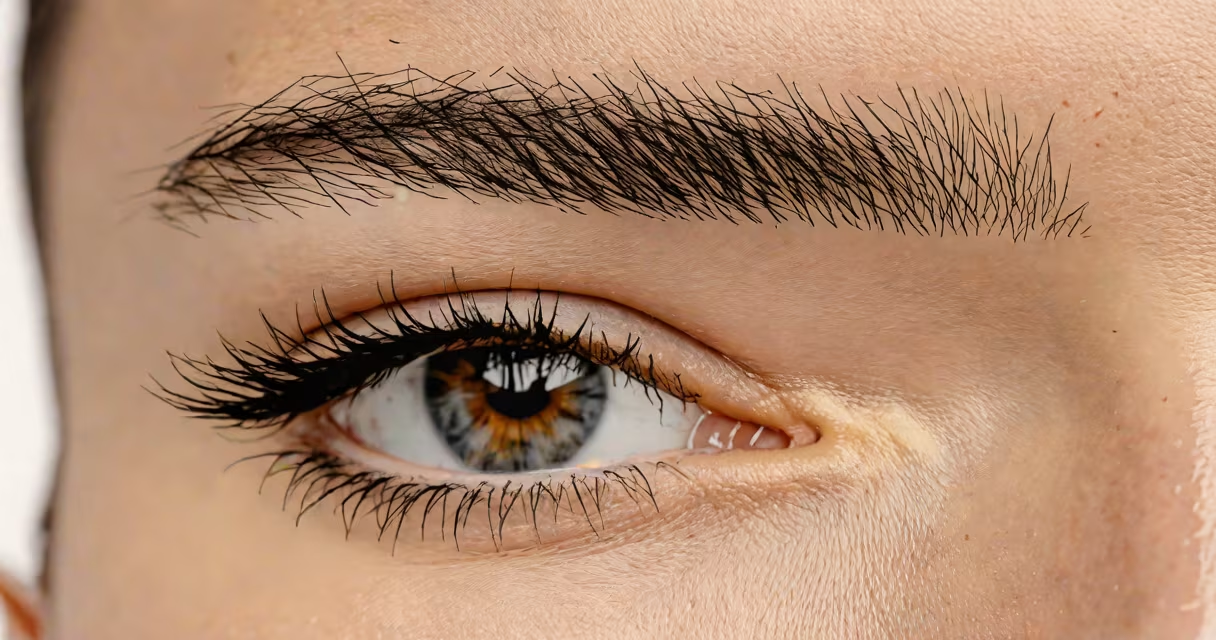
Dandruff in eyebrows results from excess skin cell turnover triggered by fungal overgrowth, oily skin, or dryness. It appears as white or yellow flakes on the brow area and may cause itching or redness.
Seborrheic dermatitis, a common inflammatory skin condition, is the most frequent cause. It occurs when Malassezia yeast-a fungus naturally present on human skin-overgrows in oily environments. This imbalance leads to rapid skin cell shedding, forming visible flakes. The oil-rich environment around the eyebrows provides ideal conditions for this yeast to thrive.
Research from the American Academy of Dermatology confirms that Malassezia species are linked to 80% of seborrheic dermatitis cases, including those affecting facial areas like the eyebrows. The condition often flares during seasonal changes or periods of stress, which disrupt the skin's natural barrier.
How It Develops
Healthy skin sheds dead cells gradually. In dandruff-prone areas, this process accelerates due to inflammation or microbial imbalance. On the eyebrows, the skin folds and hair follicles trap oils and debris, creating a warm, moist habitat for fungi. When Malassezia feeds on sebum, it produces oleic acid, which irritates the skin and triggers an immune response.
This cycle leads to increased cell turnover-up to five times faster than normal. Flakes form as layers of dead skin slough off. The process is similar to scalp dandruff but less visible due to hair density and skin texture differences.
A 2021 study published in JAMA Dermatology found that individuals with facial seborrheic dermatitis had higher levels of Malassezia spp. in sebaceous follicles compared to controls. The study emphasized that treatment targeting the fungus reduces flaking within 2-4 weeks.
Types and Triggers
Three primary causes explain eyebrow dandruff:
| Trigger | Key Features | Common Signs |
|---|---|---|
| Fungal overgrowth (Malassezia) | Oil-rich environment, chronic flare-ups | Yellowish flakes, greasy skin, mild redness |
| Dry skin | Low humidity, harsh cleansers | White, powdery flakes, tight feeling |
| Oily skin (seborrhea) | High sebum production, enlarged pores | Shiny surface, thick flakes, occasional itch |
These types often coexist. For example, someone with naturally oily skin may develop fungal overgrowth in winter when indoor heating dries out the outer layer. The combination creates persistent flaking.
Non-obvious fact: Eyebrow dandruff is not contagious. Unlike ringworm or psoriasis, it cannot spread through touch. However, sharing makeup tools or towels with someone who has active flaking increases exposure risk to Malassezia, potentially triggering symptoms in susceptible individuals.
Common Misconceptions
Many assume eyebrow dandruff stems from poor hygiene. In reality, overwashing with harsh soaps worsens dryness and disrupts the skin barrier. A 2019 clinical review in Clinical and Experimental Dermatology noted that excessive cleansing doubled flaking severity in patients with seborrheic dermatitis.
Another misconception is that dandruff only affects the scalp. The face-including the eyebrows, nose folds, and behind ears-is equally vulnerable. The sebaceous glands in these zones produce sebum at rates comparable to the scalp, making them prone to similar issues.
I once treated a client whose eyebrow flaking persisted despite daily washing and anti-dandruff shampoo use. Switching to a gentle, fragrance-free cleanser and applying a low-strength antifungal cream reduced flakes within seven days. The key was addressing the root cause-not just surface symptoms.
Treatment and Prevention
Effective management involves identifying the dominant trigger. For fungal-related cases, over-the-counter antifungals like ketoconazole 1% shampoo (used as a compress) or prescription topical ciclopirox show success rates above 75% in clinical trials.
For dry skin, moisturizing with ceramide-based creams helps restore the lipid barrier. Apply twice daily after cleansing. Avoid alcohol-based toners or exfoliants, which strip natural oils.
When both oiliness and flaking occur, a balanced routine works best. Cleanse gently with a micellar water or non-comedogenic foaming cleanser. Follow with a lightweight, oil-free moisturizer. Use a single drop of tea tree oil diluted in carrier oil (like jojoba) on affected areas twice weekly-studies show tea tree oil reduces Malassezia growth by 60% in 14 days.
Seek medical advice if flakes persist beyond four weeks, spread to eyelids, or cause pain. Chronic cases may require prescription treatments such as topical steroids or oral antifungals.
Understanding what causes dandruff in eyebrows allows targeted action. Addressing fungal overgrowth, dryness, or oil imbalance prevents recurrence and restores comfort.