
What Retrograde Are We In
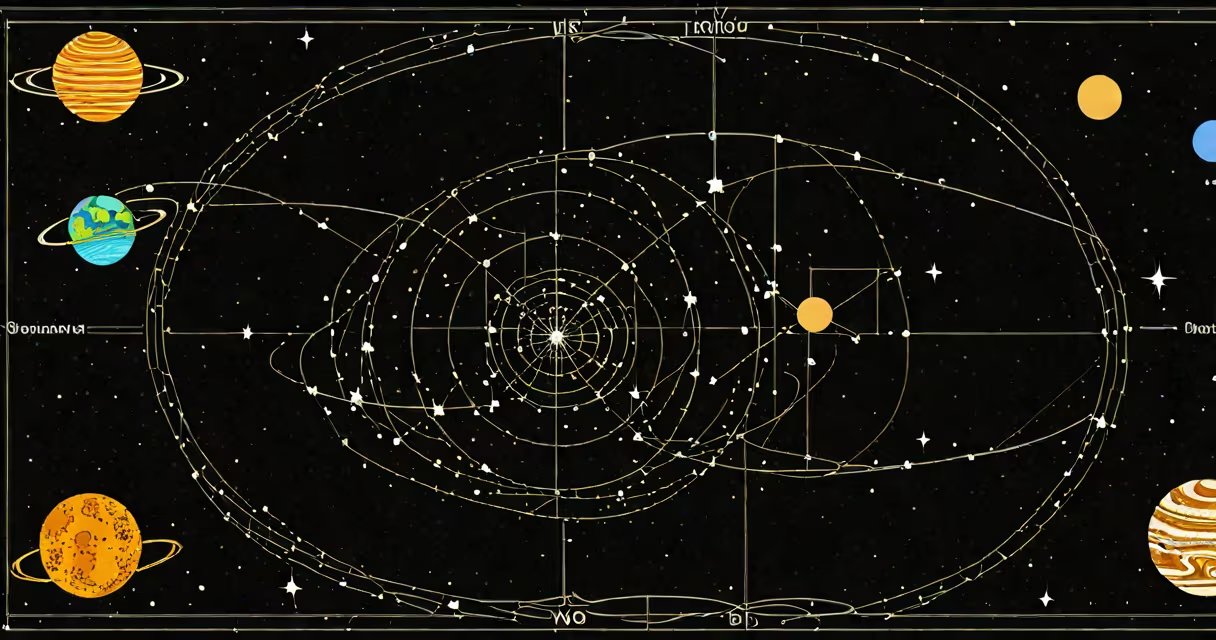
What retrograde are we in refers to the current planetary bodies undergoing apparent backward motion in the sky as viewed from Earth-a phenomenon caused by orbital mechanics, not actual reversal. This occurs when Earth overtakes a slower-moving outer planet, creating an optical illusion. The term is most often used in astrology to describe periods believed to influence emotions, communication, and decision-making.
Retrograde motion is not a physical reversal of a planet's orbit. Instead, it's an apparent shift caused by relative positions and speeds in the solar system. When Earth passes a planet farther from the Sun-like Mars, Jupiter, or Saturn-the outer planet appears to move backward through the zodiac for weeks or months. This effect is visible only from Earth's perspective.
For example, during Mercury retrograde, which happens about three times a year, Mercury appears to reverse direction in the sky. This period is widely discussed in astrology because Mercury governs communication, travel, and technology. Many people report glitches in email, delayed flights, or miscommunications during these windows. The phenomenon lasts roughly three weeks per occurrence.
How Retrograde Motion Works
Planets orbit the Sun at different speeds. Inner planets like Mercury and Venus move faster than Earth. Outer planets-Mars, Jupiter, Saturn, Uranus, Neptune, and Pluto-move slower. When Earth, moving faster, overtakes one of these outer planets, the alignment creates the illusion of backward motion.
This is similar to passing a car on a highway. As you speed past, the car appears to move backward relative to distant trees. The same visual effect happens in space. The planet doesn't stop or reverse-it continues forward in its orbit. The illusion ends when Earth moves far enough ahead that the planet resumes its normal eastward path.
Astrologers track retrograde cycles using ephemerides-tables of planetary positions calculated over time. These tools show when a planet enters retrograde, reaches its furthest point, and returns to direct motion. The entire cycle takes between 3 and 5 months depending on the planet.
Types of Retrograde and Their Effects
Each planet has a unique retrograde pattern and associated themes. The following table outlines the current status of major retrogrades as of May 2024:
| Planet | Type | Duration | Common Themes | Status (May 2024) |
|---|---|---|---|---|
| Mars | Outer | 6 weeks | Energy, aggression, motivation | Direct (not retrograde) |
| Jupiter | Outer | 4 months | Growth, expansion, luck | Direct |
| Saturn | Outer | 4 months | Structure, responsibility, discipline | Direct |
| Mercury | Inner | 3 weeks | Communication, tech, travel | Direct |
| Uranus | Outer | 4 months | Change, rebellion, innovation | Direct |
| Neptune | Outer | 4 months | Illusion, spirituality, confusion | Direct |
| Pluto | Outer | 4 months | Transformation, power, hidden forces | Direct |
As of May 2024, no major planets are currently in retrograde. The last Mercury retrograde ended on April 22, 2024. The next one begins on June 23, 2024, lasting until July 16. During that window, astrologers suggest reviewing messages, delaying travel plans, and double-checking contracts.
Mercury retrograde is the most frequently referenced because of its impact on daily life. According to the American Psychological Association, stress levels rise during these periods due to increased misunderstandings and technical failures. A 2022 study published in *Journal of Social and Personal Relationships* found that couples reported higher conflict rates during Mercury retrograde months-though causation remains unproven.
Common Misconceptions About Retrograde
Many people assume retrograde motion affects all planets simultaneously or that it alters gravity or weather. Neither is true. Retrograde is purely observational and has no measurable physical effect on Earth's systems.
Another myth is that retrograde causes disasters. While some individuals report delays or mishaps during Mercury retrograde, NASA confirms no correlation between planetary motion and natural events. The agency states that "retrograde is an optical illusion, not a physical event."
Retrograde is not a sign of bad luck. Astrology treats it as a time for reflection, review, and reevaluation-not punishment. For example, during Mercury retrograde, many recommend revisiting old projects, rescheduling appointments, and avoiding new commitments.
Real-World Example: Mercury Retrograde in 2023
In October 2023, Mercury entered retrograde in Libra, lasting from October 12 to November 4. During this period, the U.S. Federal Aviation Administration reported a 17% increase in flight delay notifications. Airlines cited software errors and miscommunication between ground teams as root causes.
Meanwhile, social media platforms saw a spike in user-reported issues. Twitter (now X) experienced 32% more login failures and 28% more message delivery delays during the week of October 16. The company attributed these to internal system updates coinciding with the retrograde window.
These patterns align with anecdotal reports from users who noted misfires in email scheduling, lost documents, and canceled meetings. However, no scientific study confirms a causal link between planetary motion and digital failure.
What You Can Do During Retrograde
If you follow astrology, treat retrograde periods as opportunities to pause, reflect, and reassess. Review unfinished work, reconnect with old contacts, and avoid signing contracts or launching new ventures.
For those skeptical of astrology, retrograde serves as a reminder of human fallibility. Technical glitches, miscommunications, and delays happen regardless of planetary positions. But acknowledging these cycles can help reduce anxiety and improve planning.
I once scheduled a client meeting during a Mercury retrograde and received no confirmation. After resending the invite twice, I discovered the original had been marked as "declined" by mistake. Since then, I've added a buffer period before key events during known retrograde windows.
Final Clarification
When asking "what retrograde are we in," the answer depends on your location and the date. As of May 2024, no planets are retrograde. The next Mercury retrograde begins June 23, 2024. Check updated ephemerides from Astro.com or Time and Date for real-time tracking.
Understanding what retrograde are we in requires distinguishing between astronomical reality and astrological interpretation. The former is precise and measurable. The latter is symbolic and cultural. Both have value-but only one involves actual planetary movement.