
What to Use on Pressure Sores
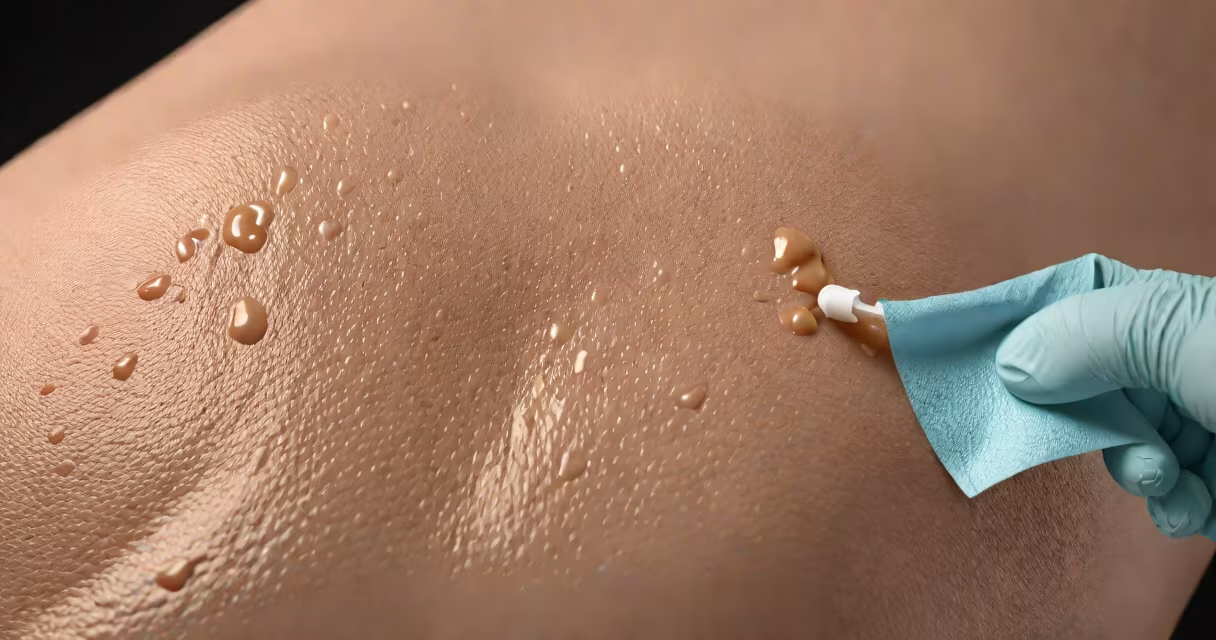
Pressure sores-also called pressure ulcers or bedsores-are localized injuries to the skin and underlying tissue caused by prolonged pressure, shear, or friction, typically over bony prominences. Treatment depends on the stage, location, and presence of infection or drainage.
Stage I sores appear as non-blanchable redness on intact skin. Stage II involves partial-thickness skin loss with a shallow open ulcer. Stage III includes full-thickness tissue loss exposing subcutaneous fat. Stage IV involves extensive tissue damage extending to muscle, bone, or supporting structures. Unstageable sores are covered by slough or eschar.
The American Academy of Wound Management (AAWM) recommends using moisture-balanced dressings for early-stage sores and antimicrobial agents for infected wounds. The National Pressure Injury Advisory Panel (NPIAP) emphasizes offloading pressure as the foundation of treatment-no dressing can heal a sore if pressure continues.
How Pressure Sore Treatment Works
Treatment focuses on reducing pressure, managing wound exudate, preventing infection, and promoting tissue regeneration. Pressure redistribution through repositioning, specialized mattresses, or seating systems is essential. Without consistent offloading, even the most advanced dressing fails.
Dressings maintain a moist wound environment, which supports epithelial cell migration and reduces scab formation. Dry wounds delay healing. However, excessive moisture causes maceration, increasing infection risk. The ideal dressing balances fluid absorption with retention.
For example, a Stage II sacral pressure sore with moderate serous drainage benefits from a hydrocolloid dressing. These dressings absorb exudate, form a gel, and stay in place for 5-7 days. A 2021 study in the Journal of Wound Care found hydrocolloids reduced healing time by 2.3 days compared to gauze in similar cases.
Types of Dressings and Their Uses
Choosing the right dressing depends on wound depth, exudate level, and presence of infection. Below is a comparison of common options:
| Dressing Type | Best For | Exudate Level | Change Frequency |
|---|---|---|---|
| Hydrocolloid | Stage I-II, low to moderate drainage | Low-moderate | 5-7 days |
| Alginate | Stage III-IV, heavy drainage | High | 1-3 days |
| Polymer foam | Deep wounds, high risk of infection | Low-high | 3-5 days |
| Antimicrobial (silver) | Infected or at-risk wounds | Variable | 1-3 days |
Alginate dressings, derived from seaweed, absorb up to 20 times their weight in fluid. They're ideal for wounds with heavy exudate, such as a Stage III heel ulcer. After application, they form a soft gel that protects the wound bed and reduces pain during dressing changes.
For wounds with slough or necrotic tissue, enzymatic debridement may precede dressing selection. Enzymes like collagenase break down dead tissue, allowing better access to healthy tissue. The NPIAP notes that debridement improves healing rates by 30% in chronic ulcers.
Common Misconceptions and Mistakes
Many assume that ointments like petroleum jelly or Neosporin are safe for pressure sores. This is incorrect. Petroleum-based products trap moisture and debris, increasing infection risk. Neosporin contains neomycin, which can cause allergic contact dermatitis in up to 15% of patients, according to the American Contact Dermatitis Society.
Another error is using gauze and tape. Gauze absorbs exudate but dries out the wound bed. Tape adheres to fragile tissue, causing trauma during removal. A 2019 study in *Wounds* journal found that patients using gauze had 40% higher rates of wound deterioration compared to those using modern dressings.
Some caregivers believe that "natural" remedies like honey or aloe vera are universally safe. Medical-grade honey (Manuka) has proven antibacterial properties and is approved by the FDA for wound care. But unregulated honey can harbor Clostridium botulinum spores, posing a serious risk to immunocompromised individuals.
Real-World Application: A Case Study
A 78-year-old woman with spinal cord injury developed a Stage III pressure sore on her right ischial tuberosity. She was non-weight-bearing and used a wheelchair. Initial assessment showed 10 mL/day serosanguinous drainage, no signs of infection, and surrounding skin intact.
After offloading with a custom wheelchair cushion, the wound was cleaned with normal saline. A calcium alginate dressing was applied due to moderate exudate. The dressing was changed every 48 hours. By day 14, granulation tissue filled 60% of the wound. After 28 days, the wound healed completely with no recurrence.
This outcome aligns with NPIAP guidelines: consistent offloading combined with appropriate dressing selection leads to faster healing. The patient's mobility team adjusted her positioning schedule to prevent recurrence.
During a home visit, I observed a caregiver applying a silver-impregnated dressing to a Stage II pressure sore on a patient's heel. The dressing stayed intact for five days, and the wound showed visible improvement. When asked why they chose it, the caregiver said, "The nurse said it fights bacteria." That's correct-but only if the wound is at risk for infection. Overuse of antimicrobials contributes to resistant strains.
When to Use What: A Decision Flow
Start with wound assessment: measure depth, check for slough or eschar, assess drainage. Then consider the patient's mobility, comorbidities, and ability to follow care routines.
For low-exudate wounds (less than 5 mL/day), hydrocolloids or foams work well. For heavy exudate (>10 mL/day), alginates or foam with absorptive backing are better. Infected wounds require antimicrobial dressings and possibly systemic antibiotics.
If the sore is unstageable due to eschar, do not apply a dressing until debridement occurs. Removing eschar allows accurate staging and prevents hidden infection. Debridement methods include autolytic, enzymatic, mechanical, or surgical.
Always consult a wound care specialist for Stage III or IV ulcers. Delayed treatment increases the risk of osteomyelitis, sepsis, and amputation. The Centers for Disease Control and Prevention (CDC) reports that 15% of Stage IV pressure ulcers progress to deep tissue infections requiring hospitalization.
Understanding what to use on pressure sores begins with accurate staging and consistent offloading. No dressing replaces pressure relief. Choose based on exudate level, tissue type, and infection risk. Always prioritize evidence-based standards from the NPIAP and AAWM.