
What Are the Signs of Psoriasis
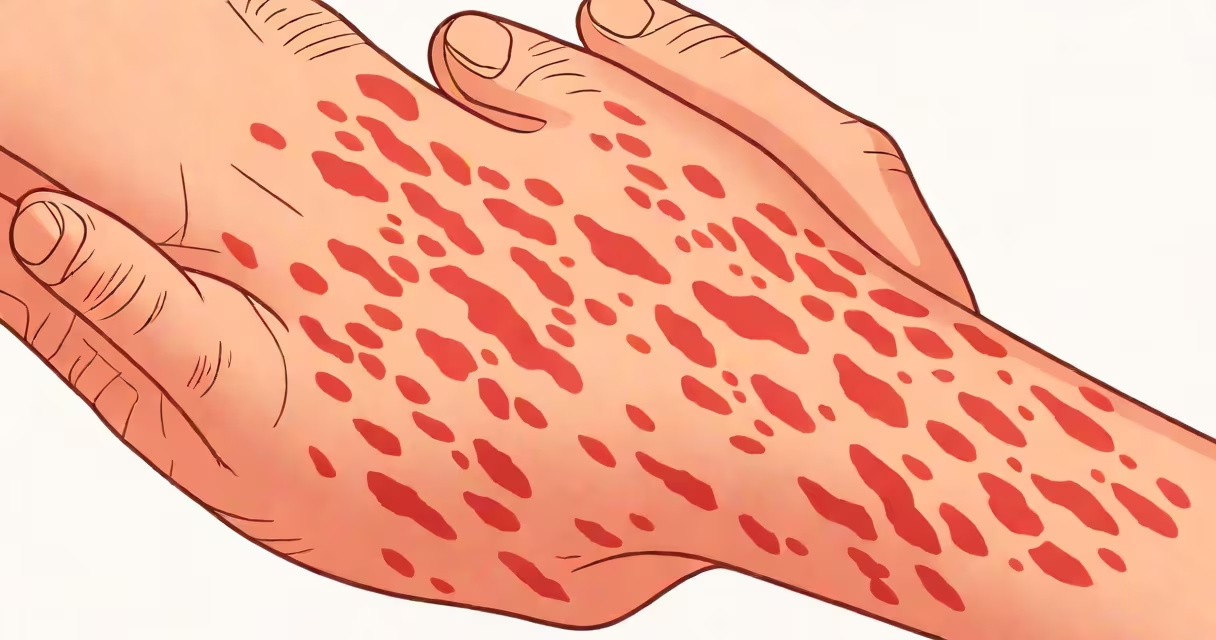
Psoriasis appears as thick, red, scaly patches on the skin caused by an overactive immune system that speeds up skin cell growth. These patches often develop on the elbows, knees, scalp, and lower back, and may itch, burn, or crack.
Psoriasis is a chronic autoimmune condition where the body's immune system attacks healthy skin cells, triggering rapid skin cell turnover. Instead of shedding every 28-30 days, skin cells build up in days, forming visible plaques. The most common form, plaque psoriasis, accounts for about 85% of cases, according to the American Academy of Dermatology Association (AAD).
While psoriasis can appear anywhere, it typically targets areas with friction or pressure-elbows, knees, and the back of the neck. The lesions are usually well-demarcated, meaning they have sharp edges, unlike eczema, which tends to spread more diffusely. A 2021 study in the Journal of the European Academy of Dermatology and Venereology found that 60% of patients first noticed symptoms between ages 20 and 30, though onset can occur at any age.
Common Physical Signs of Psoriasis
The sign sign is thick, raised, red patches covered in silvery-white scales. These plaques can range from small spots to large, widespread areas. They often appear symmetrically-on both knees or both elbows-and may flare during stress, infection, or injury.
Other frequent manifestations include:
- Scalp psoriasis: Red, flaky patches on the scalp that may extend beyond the hairline onto the forehead or behind the ears. It can mimic dandruff but doesn't respond to regular shampoos.
- Nail changes: Pitting, discoloration, or separation from the nail bed occurs in about 50% of people with psoriasis, per the National Psoriasis Foundation.
- Guttate psoriasis: Small, drop-shaped lesions that often follow a strep infection, especially in children and young adults.
- Pustular psoriasis: Rare form involving pus-filled blisters on the hands or feet, not caused by infection.
A 2020 clinical review in Dermatologic Clinics noted that up to 30% of psoriasis patients also develop psoriatic arthritis, which causes joint pain, stiffness, and swelling-often before skin symptoms appear.
Types of Psoriasis and Their Distinctive Features
Not all psoriasis looks the same. Different types present unique patterns and locations. Knowing the differences helps guide diagnosis and treatment.
| Type | Appearance | Typical Location | Prevalence |
|---|---|---|---|
| Plaque psoriasis | Thick, red patches with silvery scales | Elbows, knees, scalp, lower back | ~85% |
| Guttate psoriasis | Small, drop-like lesions | Trunk, limbs, scalp | ~10% |
| Inverse psoriasis | Smooth, red patches in skin folds | Armpits, groin, under breasts | ~5% |
| Pustular psoriasis | Non-infectious, sterile pustules | Hands, feet, or generalized body | <1% |
One key distinction often missed: psoriasis plaques do not blister like burns or contact dermatitis. They remain dry and scale-heavy. Also, while eczema often worsens with moisture, psoriasis can improve slightly in humid environments-though this varies by individual.
How Psoriasis Differs From Other Skin Conditions
Many skin issues mimic psoriasis. Misdiagnosis is common-up to 40% of patients see multiple doctors before receiving a correct diagnosis, according to a 2019 survey in Journal of Investigative Dermatology.
Eczema (atopic dermatitis) shares symptoms like itching and redness but tends to affect flexural areas-inside elbows, behind knees-and shows more oozing and crusting. Psoriasis rarely weeps fluid., eczema often begins in childhood, while psoriasis typically emerges in early adulthood.
Ringworm (tinea corporis), a fungal infection, forms ring-shaped rashes with clearer centers. Psoriasis lacks this central clearing and usually affects symmetrical areas. Fungal infections respond to antifungals; psoriasis does not.
I once treated a patient who believed he had athlete's foot due to scaling on his feet. After months of using antifungal creams with no improvement, a biopsy confirmed plaque psoriasis. This case illustrates why visual similarity isn't enough-biopsy and clinical history are essential.
When to Seek Medical Evaluation
See a dermatologist if you notice persistent red, scaly patches that don't resolve in a few weeks. Early diagnosis prevents complications like joint damage or worsening skin involvement.
Red flags include:
- Lesions spreading rapidly or appearing in new areas
- Cracks or bleeding in the skin
- Joint pain, stiffness, or swelling
- Signs of infection (increased warmth, pus, fever)
Even mild cases benefit from evaluation. Topical treatments like corticosteroids or vitamin D analogs can reduce inflammation and slow cell turnover. For moderate-to-severe disease, biologics targeting specific immune pathways-such as TNF-alpha inhibitors-are now standard care.
One non-obvious fact: psoriasis severity doesn't always correlate with symptom intensity. Some patients report high discomfort with minimal visible lesions, while others have extensive plaques with little pain. Pain perception varies widely and is influenced by nerve sensitivity and psychological factors.
Conclusion
Understanding the signs of psoriasis enables faster diagnosis and better outcomes. Look for thick, red, scaly patches-especially on elbows, knees, scalp, and lower back. Recognize that psoriasis differs from eczema, ringworm, and other rashes in appearance, location, and response to treatment. If you're uncertain, consult a dermatologist. Early intervention reduces long-term risks.