
What Are Symptoms of Aortic Dissection
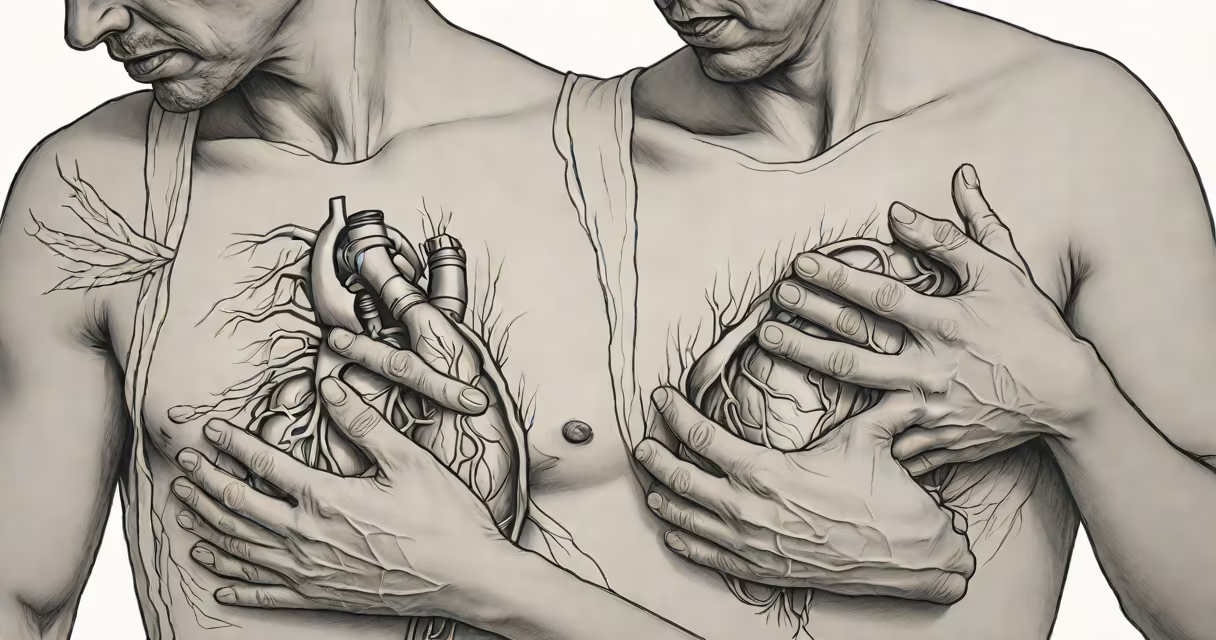
Aortic dissection is a critical condition where the inner layer of the aorta tears, allowing blood to flow between the layers of the vessel wall. This can lead to rupture, organ failure, or death within hours if untreated. The most common symptom is sudden, severe pain-often described as a sharp, tearing sensation-typically felt in the chest or upper back.
The aorta, the largest artery in the body, carries oxygen-rich blood from the heart to the rest of the body. When a tear develops in its inner lining, blood pressure forces the layers apart. This creates a false lumen, which can compromise blood flow to important organs. Without prompt treatment, mortality increases by 1% per hour after symptom onset.
According to the American Heart Association, aortic dissection affects about 3 in 10,000 people annually, with men aged 60-70 most frequently affected. Risk factors include uncontrolled high blood pressure, Marfan syndrome, bicuspid aortic valve, and trauma. Early recognition of symptoms is essential because delays in diagnosis reduce survival rates.
How Symptoms Present
Pain from aortic dissection typically begins abruptly and reaches peak intensity within seconds. It often starts in the center of the chest and radiates to the back, neck, or down the spine. Some patients report pain that moves as they walk or change position, indicating the dissection may be extending along the aorta's path.
Other signs include loss of consciousness, stroke-like symptoms (such as facial droop or weakness), cold extremities due to poor circulation, and difficulty breathing. These occur when the dissection blocks blood flow to the brain, limbs, or lungs. In rare cases, patients may have no pain-especially those with diabetes or advanced age-and present only with neurological deficits or shock.
One documented case involved a 58-year-old man with hypertension who reported sudden, tearing pain from his chest to his lower back. He arrived at the emergency department 90 minutes after symptom onset. A CT angiogram confirmed Stanford Type A dissection involving the ascending aorta. Immediate surgery was performed, and he survived. This case illustrates how rapid presentation and imaging are important for outcomes.
Common Misdiagnoses and Confusions
Aortic dissection is frequently mistaken for heart attack, pulmonary embolism, or musculoskeletal pain. Up to 30% of patients receive an initial misdiagnosis, delaying treatment. Chest pain from a heart attack tends to be pressure-like or crushing and often occurs during exertion. In contrast, aortic dissection pain is typically constant, sharp, and unrelated to activity.
Patients with aortic dissection may also present with normal electrocardiograms (ECGs), unlike acute myocardial infarction. This can mislead clinicians into ruling out cardiac causes., back pain from spinal issues often worsens with movement and improves with rest-opposite to dissection-related pain, which remains severe regardless of posture.
A key distinction lies in the location and radiation of pain. Aortic dissection pain usually starts in the anterior chest and travels posteriorly. Pain from aortic aneurysm rupture may begin in the abdomen or flank. These patterns help differentiate diagnoses, especially when combined with imaging.
Types of Aortic Dissection and Associated Symptoms
Dissections are classified using the Stanford system. Type A involves the ascending aorta and is considered a surgical emergency. Type B affects only the descending aorta and may be managed medically in stable patients.
| Type | Involves | Typical Symptoms | Urgency |
|---|---|---|---|
| Stanford Type A | Ascending aorta | Chest pain, sudden collapse, hoarseness (from compressed recurrent laryngeal nerve) | Immediate surgery required |
| Stanford Type B | Descending aorta | Back pain, abdominal pain, leg weakness | Medical management or endovascular repair |
One non-obvious fact: approximately 10% of Type A dissections present with neurological symptoms such as confusion or hemiparesis due to involvement of the vertebral arteries. This can mimic stroke, leading to delayed diagnosis unless vascular imaging is pursued.
When to Seek Emergency Care
If someone experiences sudden, severe pain that feels like a knife or tear in the chest or back, especially with risk factors like hypertension or connective tissue disorders, they should go to the nearest emergency room immediately. Time is a critical factor-survival drops from 90% to less than 50% within 48 hours of symptom onset.
During evaluation, doctors use CT angiography, MRI, or transesophageal echocardiography to confirm the diagnosis. Aortic dissection cannot be reliably diagnosed based on physical exam alone. Even subtle findings like unequal blood pressure between arms or a new heart murmur should raise suspicion.
I once observed a patient in the ER whose blood pressure was 180/110 mmHg in the right arm and 130/80 mmHg in the left. This discrepancy, combined with tearing chest pain, led to a rapid CT scan that revealed a Type A dissection. The patient underwent emergency surgery and recovered. This case highlights how important clinical clues are-even small ones.
Related Conditions and Distinctions
Aortic dissection differs from aortic aneurysm, though both involve the aorta. An aneurysm is a localized dilation of the vessel wall, often asymptomatic until rupture. A dissection is a tear in the intima, causing internal bleeding between layers. While both require monitoring, dissection demands urgent intervention.
Early recognition of aortic dissection symptoms-especially sudden, severe, tearing pain in the chest or back-is important. Delayed treatment leads to higher mortality. Anyone with risk factors experiencing such pain should seek emergency care without delay. Prompt diagnosis and intervention dramatically improve survival chances.