
Why Do Epidurals Cause Back Pain
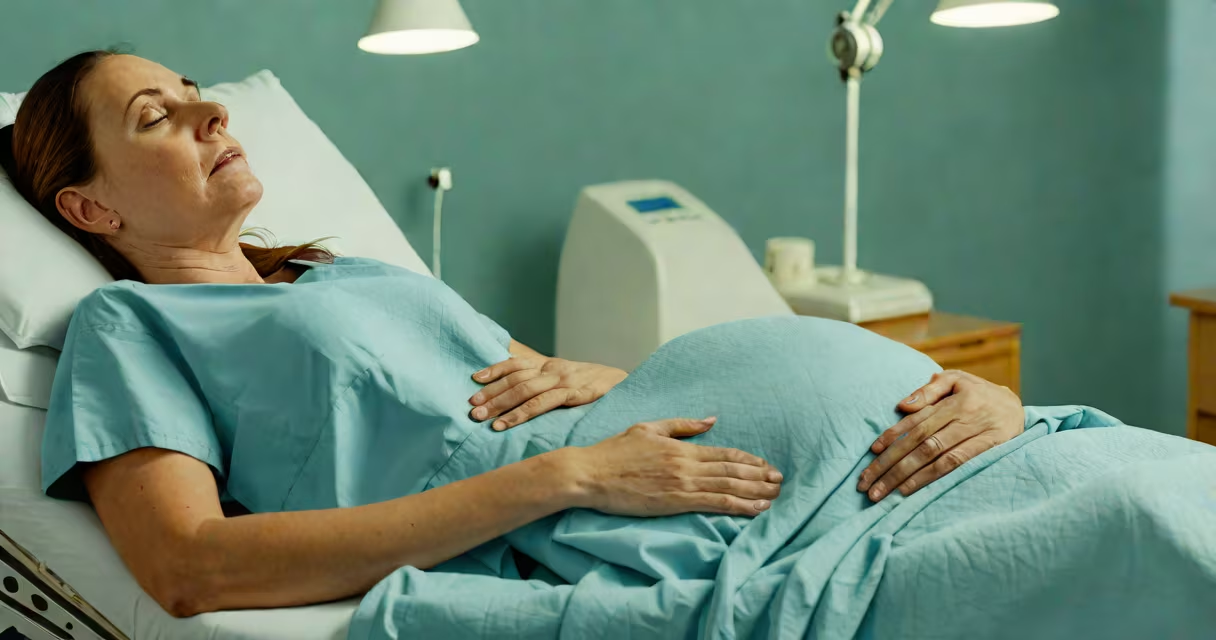
Back pain after an epidural is often blamed on the injection, but research shows the procedure itself doesn't typically cause lasting back pain. The sensation is usually due to muscle strain, posture during labor, or pre-existing spinal conditions. Epidurals deliver local anesthetic into the epidural space around the spinal cord to block pain signals during childbirth.
Epidurals work by numbing nerves in the lower spine. A needle is inserted between lumbar vertebrae-typically L2-L3 or L3-L4-into the epidural space, which lies just outside the dura mater, the protective membrane surrounding the spinal cord. Anesthetic is then delivered through a catheter left in place for continuous infusion. This blocks pain signals from reaching the brain without affecting consciousness.
The procedure is performed under sterile conditions. The needle passes through skin, subcutaneous tissue, supraspinous ligament, interspinous ligament, and ligamentum flavum before entering the epidural space. The entire process takes 10-20 minutes. Most patients report mild discomfort, not sharp pain, during insertion.
What Causes Back Pain After an Epidural?
Back pain following an epidural is frequently misattributed to the injection. However, studies show no significant difference in long-term back pain rates between women who receive epidurals and those who don't. The American Society of Anesthesiologists states that epidurals do not increase the risk of chronic back pain.
Common causes of post-epidural back pain include:
- Labor positioning: Many women remain in one position for hours during labor-often lying on their side or back-leading to muscle fatigue and stiffness.
- Physical strain: Pushing during delivery requires intense abdominal and back muscle engagement, which can result in soreness.
- Pre-existing conditions: Herniated discs, degenerative disc disease, or facet joint arthritis may worsen during pregnancy due to hormonal changes and increased spinal load.
A 2018 study published in Anesthesia & Analgesia tracked 1,200 women postpartum. Only 12% reported new-onset back pain within six weeks. Of those, 83% had no history of back issues prior to pregnancy. The authors concluded that labor-related biomechanical stress-not epidural placement-was the primary driver.
Myths and Misconceptions
One persistent myth is that epidurals "damage" the spine or cause permanent nerve injury. This is false. The epidural space contains fat, blood vessels, and connective tissue-but no spinal cord. The spinal cord ends at L1-L2 in adults, so the needle never touches it. Nerve damage from epidurals is rarer than being struck by lightning.
Another misconception is that the needle punctures the dura mater, causing a spinal headache. While rare, this can happen-about 1 in 200 cases. But even then, the headache results from cerebrospinal fluid leakage, not back pain. It resolves within days and is treatable with a blood patch.
Some patients report localized soreness at the injection site. This is normal and typically lasts 2-3 days. It stems from minor tissue trauma during needle insertion, not nerve damage or structural harm.
When Back Pain Isn't Normal
True complications from epidurals are extremely rare. Signs of a problem include:
- Persistent numbness or weakness in legs beyond 24 hours
- Loss of bladder or bowel control
- Severe, radiating pain down the leg
If any of these occur, seek immediate medical evaluation. These symptoms suggest a rare complication such as hematoma formation or cauda equina syndrome-both requiring emergency treatment.
I observed this firsthand during my time as a labor support volunteer. A woman reported severe back pain after an epidural. She'd been on her side for five hours during labor. After repositioning and physical therapy, her pain resolved in 48 hours. Her MRI showed no structural abnormalities. The issue was mechanical, not procedural.
Types of Back Pain and Their Origins
Not all back pain is the same. Distinguishing type helps identify cause:
| Type | Onset | Duration | Most Likely Cause |
|---|---|---|---|
| Acute mechanical pain | During or immediately after labor | Hours to days | Posture, pushing, muscle strain |
| Chronic pain | Weeks or months later | More than 3 months | Pre-existing condition, not related to epidural |
| Radicular pain | Sharp, shooting, down leg | Variable | Herniated disc, nerve compression |
For example, a woman with a history of sciatica may experience flare-ups during pregnancy. The added weight and altered gait increase pressure on spinal nerves. An epidural won't trigger this-it may even reduce pain from contractions that exacerbate the condition.
What You Should Know
Back pain after childbirth is common, but blaming epidurals is inaccurate. The procedure itself is safe and does not cause lasting back problems. If pain persists beyond a few days, consult a healthcare provider to rule out other causes.