
What Is the Treatment for Sepsis
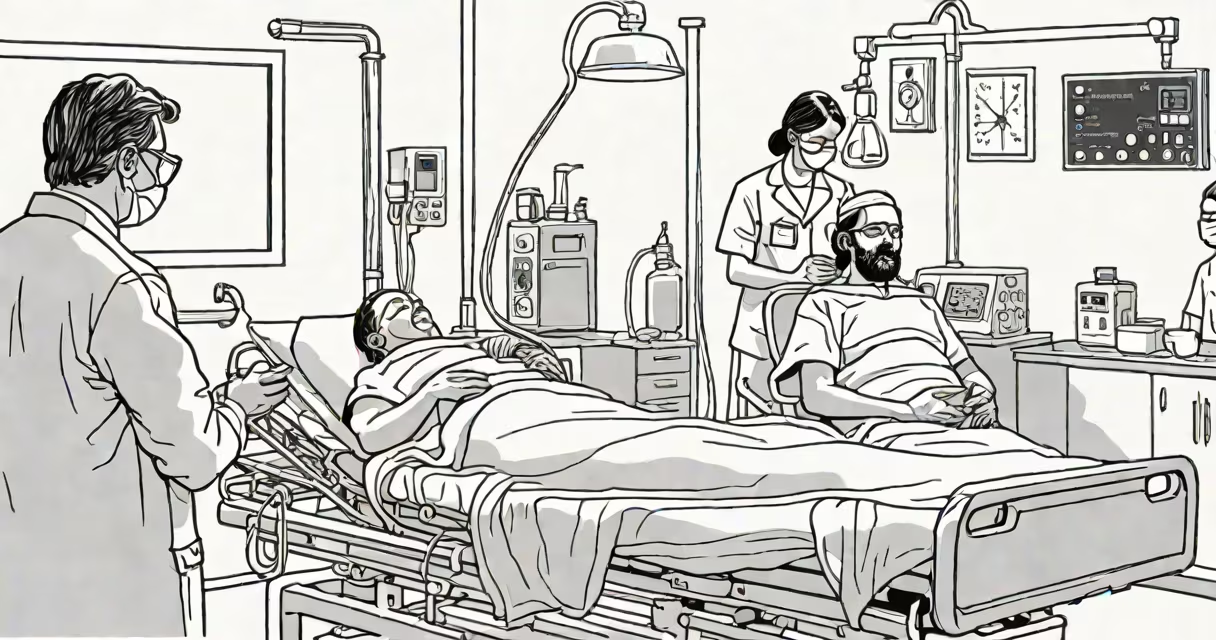
The treatment for sepsis involves immediate intravenous antibiotics, aggressive fluid replacement, and often vasopressor support to maintain blood pressure. Prompt intervention within the first hour of recognition reduces mortality by more than 40%, according to the Surviving Sepsis Campaign.
Sepsis arises when the body's response to infection causes widespread inflammation, leading to organ dysfunction. Without timely treatment, it progresses to septic shock, where blood pressure drops dangerously low despite fluid administration. The core strategy is to stop the infection, stabilize circulation, and protect important organs.
Early diagnosis is critical. A patient presenting with fever, confusion, rapid breathing, and low blood pressure may have sepsis. Blood cultures, lactate levels, and imaging help confirm the diagnosis. Treatment begins before lab results return because delays increase risk of death.
Core Components of Sepsis Treatment
Four key interventions form the foundation of sepsis care:
- Antibiotics within one hour of recognition
- Fluid resuscitation with crystalloids (typically normal saline)
- Vasopressors if blood pressure remains low after fluids
- Source control-removing the infection focus, such as draining an abscess or removing infected devices
For example, a 68-year-old man with pneumonia develops sepsis. His blood pressure drops to 88/50 mmHg, his lactate level is 4.2 mmol/L (elevated), and he's confused. He receives broad-spectrum IV antibiotics-piperacillin-tazobactam-and 30 mL/kg of normal saline over one hour. His blood pressure improves slightly but remains unstable. Norepinephrine is started to raise it to a target systolic pressure of 100 mmHg.
Studies show that patients who receive antibiotics within one hour of sepsis identification have a 30-day mortality rate of 18%. Those treated after three hours face a 32% mortality rate-nearly double the risk.
Types of Sepsis and How Treatment Varies
Sepsis is categorized by severity: sepsis, severe sepsis, and septic shock. Treatment intensity increases with severity.
| Severity Level | Key Features | Treatment Focus |
|---|---|---|
| Sepsis | Fever, tachycardia, tachypnea, altered mental status | Antibiotics, IV fluids, monitoring |
| Severe Sepsis | Organ dysfunction (e.g., acute kidney injury, hypoxemia) | Intensive care, vasopressors, mechanical ventilation if needed |
| Septic Shock | Blood pressure unresponsive to fluids, high lactate | Aggressive vasopressor therapy, ICU admission, source control |
Patients with septic shock require intensive monitoring. Continuous norepinephrine infusion is standard. Some centers use vasopressin as a second-line agent when norepinephrine fails. Corticosteroids are reserved for patients who don't respond to vasopressors, based on the ADRENAL trial.
A common misconception is that sepsis only affects older adults. While risk increases with age, younger people with immunosuppression or severe infections (e.g., necrotizing fasciitis) can develop sepsis rapidly. A 24-year-old woman with untreated streptococcal meningitis progressed to septic shock in under 12 hours. She required ECMO (extracorporeal membrane oxygenation) and survived after six days in the ICU.
What Is Often Misunderstood About Sepsis Treatment
Many assume sepsis treatment is about antibiotics alone. But timing and context matter. Delayed antibiotics worsen outcomes even if the right drug is eventually given. The Surviving Sepsis Campaign recommends antibiotics within one hour of sepsis suspicion-not after lab confirmation.
Another misunderstanding is that sepsis always starts with a fever. Up to 30% of septic patients are hypothermic, especially in elderly or immunocompromised individuals. A 76-year-old with urinary tract infection presented with a temperature of 35.1°C (95.2°F), altered mental status, and elevated lactate. He was diagnosed with sepsis and treated promptly-his condition improved after 48 hours of targeted antibiotics.
Some believe sepsis treatment is the same across hospitals. It's not. Variations exist in antibiotic choice, fluid types, and timing. A 2021 study comparing U.S. and European ICUs found that U.S. centers initiated antibiotics 15 minutes faster on average, contributing to lower mortality rates.
When to Seek Help and What Comes Next
If someone shows signs of sepsis-confusion, rapid breathing, cold extremities, mottled skin-seek emergency care immediately. Delaying treatment increases the chance of death by 10% per hour.
After stabilization, recovery takes weeks. Patients often need rehabilitation due to muscle weakness and cognitive decline. A 2020 cohort study in JAMA Internal Medicine found that 40% of sepsis survivors had moderate-to-severe disability at six months.