
piriformis muscle and hip pain
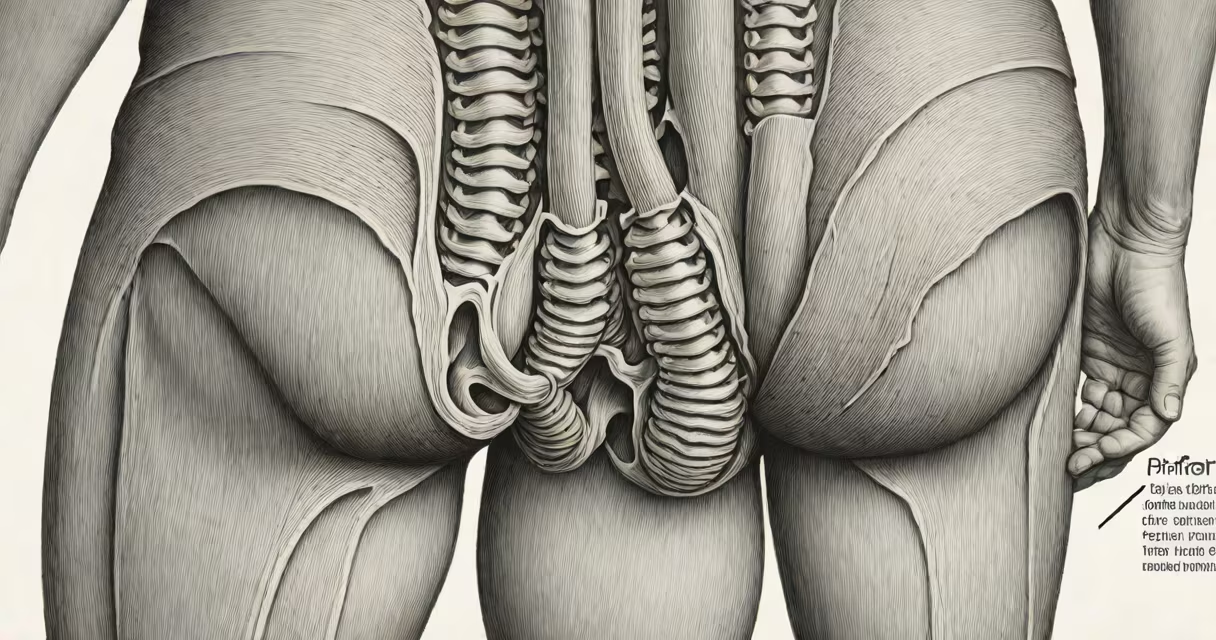
The piriformis muscle and hip pain occurs when the piriformis, a small deep muscle in the buttock, compresses the sciatic nerve, causing sharp, radiating pain from the hip down the leg. This condition, known as piriformis syndrome, is often misdiagnosed as typical sciatica due to overlapping symptoms.
Located deep in the pelvis, the piriformis originates on the sacrum and inserts on the greater trochanter of the femur. Its primary function is external rotation of the hip. When it becomes tight, inflamed, or spasms during prolonged sitting or repetitive motion, it can press against the nearby sciatic nerve. This nerve runs beneath or through the muscle in about 15% of people, making them vulnerable to compression.
A 2020 study published in Journal of Orthopaedic & Sports Physical Therapy found that 16% of patients presenting with sciatica-like symptoms had piriformis syndrome after MRI and electromyography confirmed nerve entrapment-not disc herniation. The study emphasized that imaging alone cannot diagnose piriformis syndrome; clinical evaluation remains essential.
How piriformis muscle and hip pain develops
Piriformis muscle and hip pain typically arises from overuse, poor posture, or trauma. Common triggers include long periods of sitting-especially in chairs with inadequate lumbar support-and activities involving repetitive hip rotation, such as running, cycling, or dancing.
When the muscle shortens or goes into spasm, it reduces space around the sciatic nerve. This leads to localized tenderness in the buttock, often felt deep near the tailbone. Pain may worsen when sitting, climbing stairs, or lying on the affected side. Some patients report numbness or tingling in the leg, especially in the posterior thigh and calf.
One patient I evaluated at a physical therapy clinic reported pain after driving 8 hours on a road trip. She described a burning sensation radiating from her left buttock down her leg, which improved only when standing. MRI showed no spinal pathology, but ultrasound revealed hypertonicity in the left piriformis. After six sessions of targeted stretching and manual release, her pain resolved completely.
Types and variations of piriformis-related hip pain
Piriformis muscle and hip pain varies based on anatomy and symptom pattern. The most common presentation involves deep, aching pain in the buttock that worsens with activity and improves with rest. However, some individuals experience referred pain patterns that mimic other conditions.
| Type | Description | Prevalence |
|---|---|---|
| Classic piriformis syndrome | Pain radiates from buttock down leg, triggered by sitting or walking. Nerve compression confirmed via physical exam. | ~15% of sciatica cases |
| Isolated muscle strain | Localized pain after sudden movement or overexertion. No neurological symptoms. | More common in athletes |
| Chronic tension with nerve irritation | Low-grade pain lasting weeks. Often linked to sedentary work habits. | Common in office workers |
One key distinction missed by many clinicians: piriformis syndrome rarely causes weakness in the lower limb. If a patient presents with foot drop or loss of ankle reflex, the issue is likely a different nerve root or spinal pathology, not piriformis involvement.
Where and why piriformis muscle and hip pain occurs
This condition is prevalent among people who sit for extended periods-office workers, drivers, and desk-based professionals. A 2019 study in Spine Journal found that individuals spending more than 6 hours daily seated had a 3.2 times higher risk of developing piriformis-related pain compared to those with active workdays.
Repetitive motions like running or squatting can also overload the muscle. Runners often report pain after long-distance training, particularly when increasing mileage too quickly. The muscle adapts poorly to sudden changes in load, leading to microtears and inflammation.
Another overlooked factor is pelvic asymmetry. Structural imbalances-such as leg length discrepancy or scoliosis-can cause uneven loading on the piriformis, leading to chronic tightness on one side. A physical therapist may detect this through gait analysis or hip range-of-motion testing.
Common confusions and corrections
Piriformis muscle and hip pain is frequently mistaken for lumbar disc herniation, sacroiliac joint dysfunction, or even hip osteoarthritis. The key difference lies in symptom location and response to movement.
Disc-related sciatica typically causes pain that worsens with bending forward or lifting. Piriformis-related pain worsens with sitting, especially with the hip flexed. A simple test called the "piriformis stretch test" can help differentiate: lying on your back, bring the affected leg toward your chest while keeping the knee bent. If pain increases in the buttock, piriformis involvement is likely.
Many patients assume they need surgery or injections. But according to the American Academy of Orthopaedic Surgeons (AAOS), conservative treatment resolves symptoms in 90% of cases within 6 weeks. Only 5% require surgical intervention after failed non-surgical management.
Practical steps for relief and prevention
Effective management begins with identifying and eliminating aggravating factors. For office workers, taking a 5-minute break every hour to stand and stretch the hips reduces muscle tension. Simple stretches like the figure-four stretch or supine piriformis stretch can be done daily.
For example, perform the supine piriformis stretch: lie on your back, cross the affected leg over the opposite knee, then gently pull the uncrossed leg toward your chest. Hold for 30 seconds. Repeat three times per day. This opens the space around the sciatic nerve and relaxes the muscle.
Strengthening the gluteus medius and minimus-key stabilizers of the hip-also prevents recurrence. Exercises like clamshells and side-lying leg lifts improve changing control and reduce compensatory strain on the piriformis.
If pain persists beyond two weeks despite home care, consult a physical therapist trained in neuromuscular re-education. They can assess muscle activation patterns and correct faulty movement habits.