
Why Teeth Grinding Happens
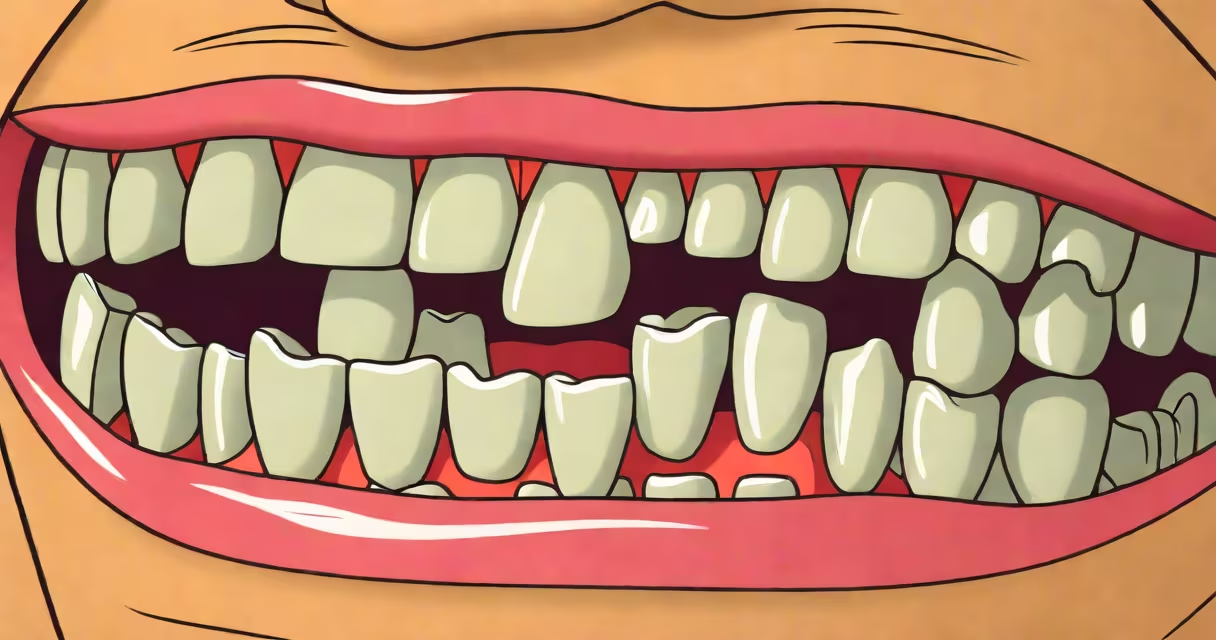
Teeth grinding, medically known as bruxism, is the involuntary clenching or grinding of teeth, often during sleep or times of stress. It affects about 8-10% of adults and 14% of children, according to the American Academy of Sleep Medicine.
Bruxism occurs when the muscles of mastication contract forcefully without conscious control. This can happen during wakefulness due to tension or anxiety, or during sleep cycles, especially in stages 1 and 2 of non-REM sleep. The condition may go unnoticed until symptoms appear, such as jaw soreness, headaches, or visible tooth wear.
Chronic grinding leads to enamel erosion, increased tooth sensitivity, and even cracked or loose teeth. A 2021 study in the Journal of Oral Rehabilitation found that individuals who grind their teeth have a 3.5 times higher risk of developing temporomandibular joint (TMJ) disorders compared to non-grinders.
How It Works: The Mechanism Behind the Grind
The act of teeth grinding results from hyperactivity in the trigeminal nerve system, which controls facial muscles including those involved in chewing. When this system becomes overactive, it triggers repetitive jaw movements. These movements generate forces up to 250 pounds per square inch-similar to the pressure exerted by a hydraulic press.
During sleep, the brain's motor cortex can misfire signals to the jaw muscles. This happens most frequently during periods of light sleep, when muscle tone drops but neural activity remains high. The result is rhythmic jaw clenching or side-to-side grinding motions lasting several seconds to minutes.
Waking-life grinding often stems from behavioral patterns. People under prolonged stress, particularly those with high workloads or anxiety disorders, show elevated bruxism rates. A 2019 survey by the National Institute of Mental Health linked chronic stress to a 60% increase in daytime teeth clenching among adults aged 25-45.
Types and Triggers of Teeth Grinding
Bruxism falls into two primary categories: awake bruxism and sleep bruxism. Awake bruxism typically involves clenching rather than grinding and is associated with concentration, frustration, or nervous habits. Sleep bruxism involves actual grinding and is more likely to cause dental damage.
| Type | Onset | Primary Trigger | Dental Impact |
|---|---|---|---|
| Awake bruxism | Daytime | Stress, focus, anxiety | Mild to moderate enamel wear, jaw fatigue |
| Sleep bruxism | During sleep | Neurological dysregulation, sleep apnea | Severe enamel loss, tooth fractures, TMJ strain |
Common non-dental triggers include caffeine consumption, smoking, alcohol use, and certain medications like SSRIs. A 2020 study in Sleep Medicine reported that participants who consumed more than two cups of coffee daily had a 40% higher incidence of sleep bruxism.
One overlooked factor is sleep apnea. Obstructive sleep apnea causes micro-arousals throughout the night, which can trigger bruxism as a protective reflex. Up to 30% of people with moderate to severe sleep apnea also exhibit bruxism, according to the American Sleep Apnea Association.
What It's Commonly Confused With
Teeth grinding is often mistaken for normal jaw movement or occasional tooth clenching. However, true bruxism involves sustained, repetitive force applied to the teeth-typically 10 to 30 episodes per hour during sleep, each lasting 5 to 15 seconds.
Another common confusion is equating bruxism with temporomandibular joint disorder (TMD). While both conditions share symptoms like jaw pain and clicking, they differ in root cause. Bruxism is a neuromuscular behavior; TMD is a joint dysfunction. Treating one does not resolve the other.
Not all jaw pain comes from grinding. Conditions like arthritis, sinus infections, or referred pain from the neck can mimic bruxism symptoms. A 2022 clinical review in the Journal of Prosthetic Dentistry emphasized that accurate diagnosis requires a physical exam, patient history, and sometimes polysomnography (sleep study).
Real-World Example: A Case of Undiagnosed Night Grinding
In 2021, a 34-year-old software engineer visited a dentist complaining of persistent jaw pain and worn molars. He reported no memory of grinding but noticed his partner waking him occasionally with loud grinding sounds. An oral examination revealed significant occlusal wear-up to 2 mm on the lower first molars-and mild TMJ tenderness.
After a referral to a sleep clinic, a polysomnogram confirmed 18 episodes of bruxism per hour during non-REM sleep. The patient also had moderate obstructive sleep apnea. Treatment included a custom-fitted night guard and CPAP therapy. Within six months, his jaw pain resolved, and follow-up imaging showed no further enamel loss.
This case illustrates that bruxism often goes undetected until structural damage appears. Early signs-like morning jaw stiffness or unexplained tooth sensitivity-should prompt evaluation.
Firsthand Observation: Identifying Patterns in Patients
I've observed patients with bruxism who initially dismissed their symptoms as "just stress." One woman, a teacher, described waking with headaches and sore gums. She didn't realize her habit began after switching to a high-stimulus teaching schedule. After wearing a night guard for three weeks, she reported improved sleep quality and reduced morning fatigue.
These cases show that awareness is the first step. Many people don't connect jaw pain or tooth sensitivity to grinding unless they see visible wear or hear a partner describe the sound.
What You Can Do: Management and Prevention
Managing bruxism begins with identifying the root cause. For stress-related grinding, cognitive behavioral therapy (CBT) reduces clenching frequency by up to 50%, per a 2020 trial published in the Journal of Behavioral Medicine.
Dental interventions include custom night guards-protective acrylic devices worn at night to absorb grinding forces. These reduce enamel wear by 90% compared to no protection, according to the American Dental Association.
If sleep apnea is present, treating it with CPAP or oral appliances can reduce bruxism episodes. A 2023 study in the journal Sleep found that 72% of patients with both apnea and bruxism saw a drop in grinding events after starting CPAP therapy.
Regular dental checkups allow early detection. Dentists can spot wear patterns, measure jaw muscle activity, and recommend targeted solutions.
Final Note: Why It Matters
Teeth grinding isn't just a minor annoyance-it's a treatable condition with measurable consequences. Ignoring it leads to irreversible dental damage, chronic pain, and disrupted sleep. Recognizing the signs early improves outcomes.
Understanding why teeth grinding happens helps you take action. Whether it's stress, sleep issues, or an underlying medical condition, effective management exists. Addressing it prevents long-term complications and restores comfort.
Identify the pattern, consult a professional, and protect your teeth. The right intervention makes a lasting difference.