
What Are Diseases Caused by Bacteria
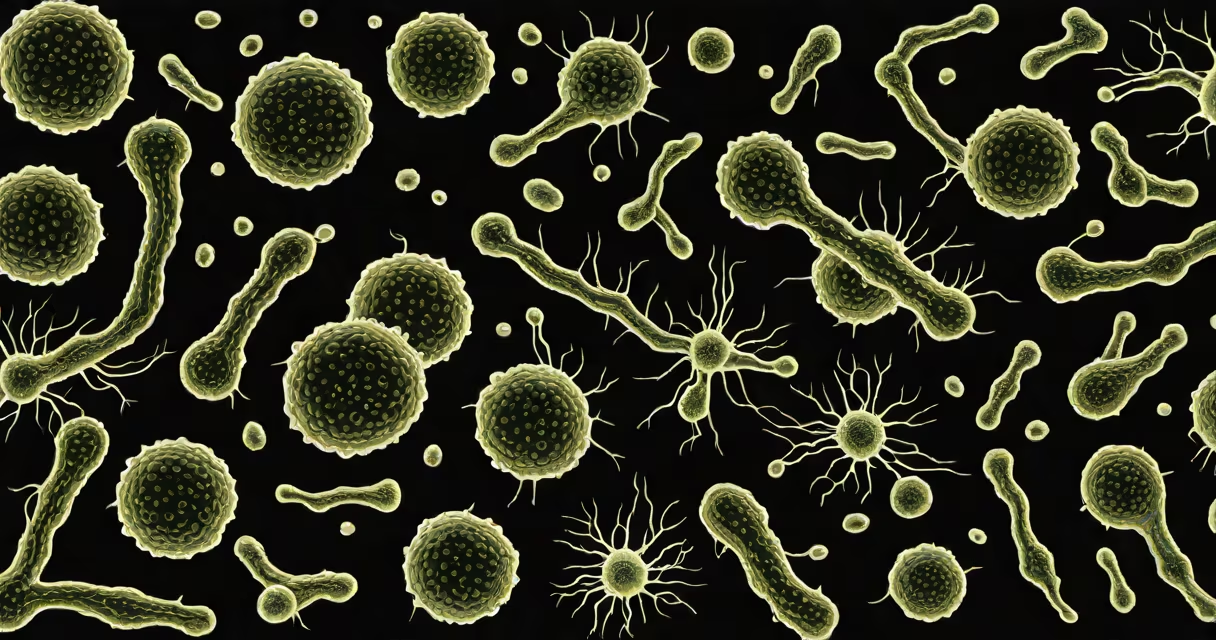
Bacterial diseases are infections triggered by pathogenic bacteria that invade human tissues, multiply, and disrupt normal bodily functions. These microorganisms cause illness through toxin production, direct tissue damage, or immune system overreaction. Examples include tuberculosis, strep throat, and foodborne illnesses like salmonellosis.
Bacteria are single-celled prokaryotes that live in nearly every environment on Earth. When certain strains enter the human body-through ingestion, inhalation, skin wounds, or sexual contact-they can trigger disease. Not all bacteria are harmful; many support digestion and immunity. But pathogenic species such as *Salmonella*, *Streptococcus pyogenes*, and *Mycobacterium tuberculosis* are responsible for significant global health burdens.
The World Health Organization reports that bacterial infections account for over 1.7 million deaths annually worldwide, with pneumonia, sepsis, and diarrheal diseases among the leading causes. Antibiotics remain the primary treatment, though rising resistance complicates outcomes.
How Bacterial Diseases Develop
Bacteria cause disease by breaching physical barriers like skin or mucous membranes. Once inside, they exploit nutrients and replicate rapidly. Some release toxins that destroy cells-like tetanus toxin, which paralyzes muscles by blocking nerve signals. Others provoke severe inflammation, leading to fever, swelling, and organ failure.
Transmission routes vary. *Escherichia coli* O157:H7 spreads via undercooked beef or contaminated water, causing hemorrhagic colitis. *Neisseria gonorrhoeae* spreads through sexual contact, leading to pelvic inflammatory disease and infertility if untreated. Airborne transmission occurs with *Mycobacterium tuberculosis*, which infects lung alveoli and can persist for years in latent form.
Diagnosis relies on culturing samples from blood, sputum, or stool, or using molecular tests like PCR. Early detection improves survival rates. For example, prompt antibiotic therapy reduces mortality in septic shock from gram-negative bacteria by up to 60%, according to the Centers for Disease Control and Prevention (CDC).
Types of Bacterial Diseases and Their Causes
Classifying bacterial diseases by mechanism reveals patterns in how they affect the body. The table below outlines major categories, common pathogens, and associated conditions.
| Type | Pathogens | Diseases | Transmission Route |
|---|---|---|---|
| Respiratory | *Streptococcus pneumoniae* | Pneumonia, meningitis | Aerosol droplets |
| Gastrointestinal | *Shigella flexneri* | Shigellosis (dysentery) | Fecal-oral route |
| Sexually Transmitted | *Treponema pallidum* | Syphilis | Sexual contact |
| Systemic | *Salmonella typhi* | Typhoid fever | Contaminated food/water |
| Wound/Soft Tissue | *Clostridium tetani* | Tetanus | Soil-contaminated wounds |
Each category reflects how bacteria adapt to specific niches. *Salmonella typhi*, for instance, survives stomach acid and invades intestinal cells, then spreads to the bloodstream-causing sustained high fever and rose spots on the skin.
Common Misconceptions and Key Distinctions
Bacterial diseases are often confused with viral or fungal infections. Unlike viruses, which require host cells to replicate, bacteria grow independently and can survive outside the body for hours to days. This difference explains why handwashing and surface disinfection reduce bacterial spread more effectively than for viruses like influenza.
A critical misunderstanding is equating all bacteria with disease. Over 99% of bacterial species do not harm humans. The human microbiome contains trillions of beneficial microbes that aid digestion, train the immune system, and prevent colonization by harmful organisms. Disrupting this balance-such as with broad-spectrum antibiotics-can lead to secondary infections like *Clostridioides difficile* colitis.
Another misconception is that antibiotics work on all infections. They are ineffective against viruses, fungi, and parasites. Using them for non-bacterial conditions fuels antimicrobial resistance. The CDC estimates that 35% of antibiotic prescriptions in outpatient settings are unnecessary, contributing to the rise of drug-resistant strains like MRSA (methicillin-resistant *Staphylococcus aureus*).
Real-World Example: The 2011 E. coli Outbreak in Germany
In May 2011, a large outbreak of hemolytic uremic syndrome (HUS) occurred in Germany, linked to a rare strain of *E. coli* O104:H4. The pathogen produced Shiga toxin, damaging kidney cells and causing acute renal failure in over 3,000 people. Of those, 850 developed HUS, and 53 died.
Initial investigations misidentified cucumbers as the source. Genome sequencing later traced the outbreak to fenugreek sprouts grown in organic compost. The strain combined virulence factors from both enterohemorrhagic and enteroaggregative *E. coli*, making it unusually resistant to standard treatments.
This event highlighted how bacterial disease outbreaks can emerge unexpectedly, even in developed nations. It also underscored the importance of rapid genomic surveillance in public health response. The European Centre for Disease Prevention and Control (ECDC) later recommended integrating whole-genome sequencing into routine outbreak monitoring.
Key Takeaways and Context
Bacterial diseases are a major component of global infectious disease burden. They differ fundamentally from viral and genetic disorders in origin, transmission, and treatment. While viruses hijack cellular machinery, bacteria act as independent invaders capable of surviving in harsh environments and evolving resistance to drugs.
Understanding the mechanisms behind bacterial disease helps inform prevention strategies. Vaccines exist for several bacterial illnesses, including pertussis (*Bordetella pertussis*) and pneumococcal pneumonia. Routine immunization reduces incidence by over 80% in vaccinated populations, per WHO data.
Bacterial diseases remain a persistent threat due to evolving resistance and environmental changes. Yet targeted interventions-vaccination, hygiene, and rational antibiotic use-can control most cases. Awareness of how these infections start and spread empowers individuals and healthcare systems to respond effectively.