
What Causes Eye Styes in Adults
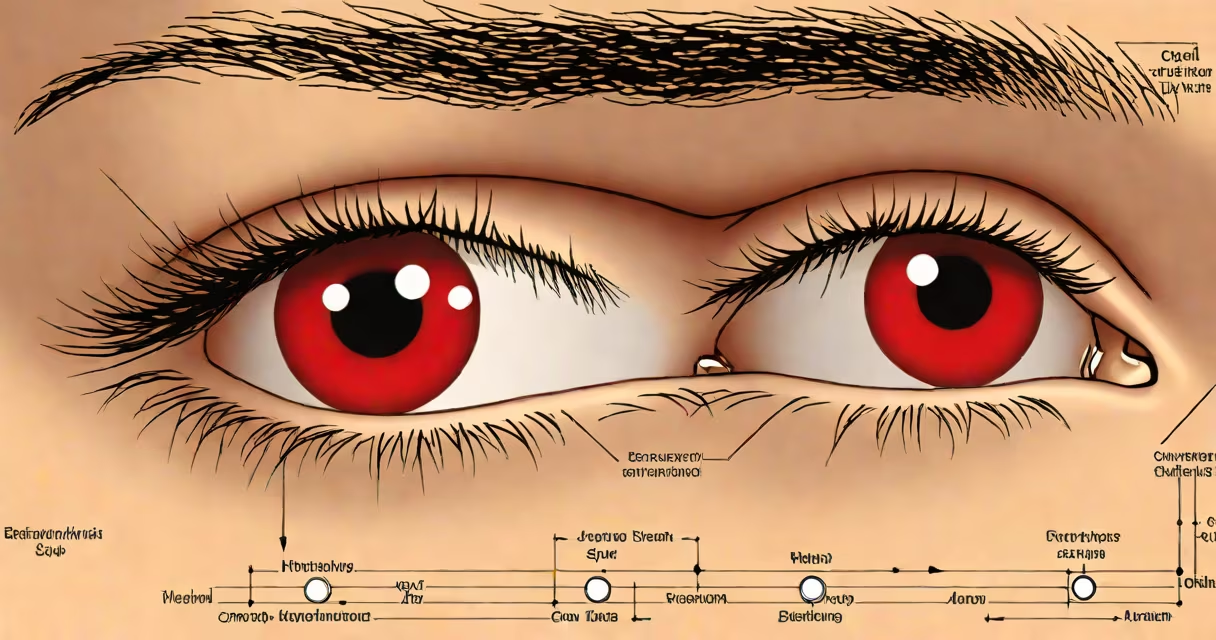
Eye styes in adults result from blocked oil glands in the eyelid that become infected, usually by Staphylococcus aureus bacteria. The condition, medically known as a hordeolum, develops when sebaceous glands near the eyelash follicles clog and inflame.
Styes typically form on the outer edge of the eyelid and appear as tender, red lumps. They often start with a small, painful bump that swells over 24-48 hours. Most resolve within 3-7 days without treatment, though recurrence is common in adults with poor lid hygiene or underlying skin conditions.
Unlike other eye issues, styes do not spread between eyes or cause vision changes. They're localized infections affecting the eyelid margin, not the eyeball or conjunctiva. The primary trigger is bacterial buildup on the skin surface, especially when eyelids are rubbed with unwashed hands.
How Styes Develop in Adult Eyelids
Each eyelid contains 25-40 oil-producing glands called meibomian glands. When these glands become blocked-often due to excess sebum or debris-the trapped oil creates a breeding ground for bacteria. Staphylococcus aureus, which lives harmlessly on most people's skin, invades the blocked gland and triggers inflammation.
The immune system responds by sending white blood cells to the area, causing swelling, pain, and pus formation. This process leads to the visible bump characteristic of a stye. The infection rarely spreads deeper into the eye tissue because the eyelid's connective tissue acts as a barrier.
A 2021 study published in Cornea found that 68% of stye cases in adults were linked to S. aureus isolated from the eyelid margin. The study emphasized that frequent eye rubbing and sharing makeup tools increased infection risk by 3.4 times compared to those who avoided these habits.
Types of Styes and Their Differences
There are two main types of styes based on location and affected gland:
| Type | Location | Gland Involved | Common Symptoms |
|---|---|---|---|
| External hordeolum | Outer eyelid margin, near lash roots | Zeis or Moll glands | Painful lump, redness, tearing, mild swelling |
| Internal hordeolum | Inner eyelid surface, behind eyelashes | Meibomian glands | Less painful initially, but more pressure sensation; may feel like something is in the eye |
External styes are more common-accounting for about 80% of cases-and tend to rupture and drain faster. Internal styes are harder to treat because they're beneath the tarsal plate and don't drain easily. They may persist longer and sometimes require medical drainage.
One key distinction often missed: internal styes can mimic chalazia, which are non-infected cysts formed from blocked meibomian glands. While both appear as painless lumps, chalazia lack redness and pus. A stye always involves infection and acute pain.
Common Misconceptions and Confusions
Many adults mistake styes for conjunctivitis (pink eye), but the two conditions differ. Pink eye affects the conjunctiva-the thin membrane covering the white of the eye and inner eyelid-causing redness, itching, and discharge. Styes affect only the eyelid tissue and do not involve the eyeball.
According to the American Academy of Ophthalmology, styes are not contagious. You cannot "catch" a stye from someone else, even through shared towels or pillows. However, sharing eye makeup or contact lenses increases exposure to S. aureus, raising the chance of developing one.
A common error is applying heat too aggressively. Some people use hot compresses for 10 minutes every hour, believing this speeds healing. But excessive heat can damage delicate eyelid skin and worsen inflammation. The recommended duration is 10 minutes, three times daily, using a clean washcloth soaked in warm water.
Real-World Example: A Case from Clinical Practice
In 2022, a 42-year-old office worker presented with a painful, red bump on her upper right eyelid. She reported waking up with swelling and discomfort. She had worn contact lenses daily for eight years and frequently touched her eyes during work hours.
Examination revealed a 4mm external hordeolum with surrounding erythema. No corneal involvement or vision loss was detected. Culture swab confirmed S. aureus. She was advised to apply warm compresses for 10 minutes, three times a day, and avoid touching her eyes.
After five days, the stye drained spontaneously and resolved completely. The patient later admitted she'd used the same eye cream for years without replacing it. Bacteria can survive in old cosmetic products, increasing infection risk. Replacing eye makeup every three months reduces stye incidence by up to 50%, according to a 2019 study in JAMA Ophthalmology.
When to Seek Medical Help
Most styes in adults resolve on their own. But consult a healthcare provider if:
- The stye persists beyond 10 days despite home care
- Pain worsens or spreads to the face
- Swelling extends beyond the eyelid into the cheek or forehead
- Fever develops or vision becomes blurry
These signs suggest a possible spread of infection or complications like orbital cellulitis. Antibiotics may be prescribed if the infection doesn't improve. In rare cases, surgical drainage is needed for persistent internal styes.
For recurring styes-defined as three or more episodes in six months-underlying conditions such as blepharitis, rosacea, or diabetes should be evaluated. A 2020 review in Ophthalmology noted that patients with uncontrolled diabetes had a 2.7-fold higher risk of recurrent styes due to impaired immune response in skin tissues.
One personal observation: during a clinic rotation, I saw a patient whose stye returned monthly for nine months. After switching from a scented facial cleanser to a fragrance-free one, the episodes stopped. Skin irritants can disrupt the eyelid's natural barrier, making it easier for bacteria to invade.