
hpld medical abbreviation
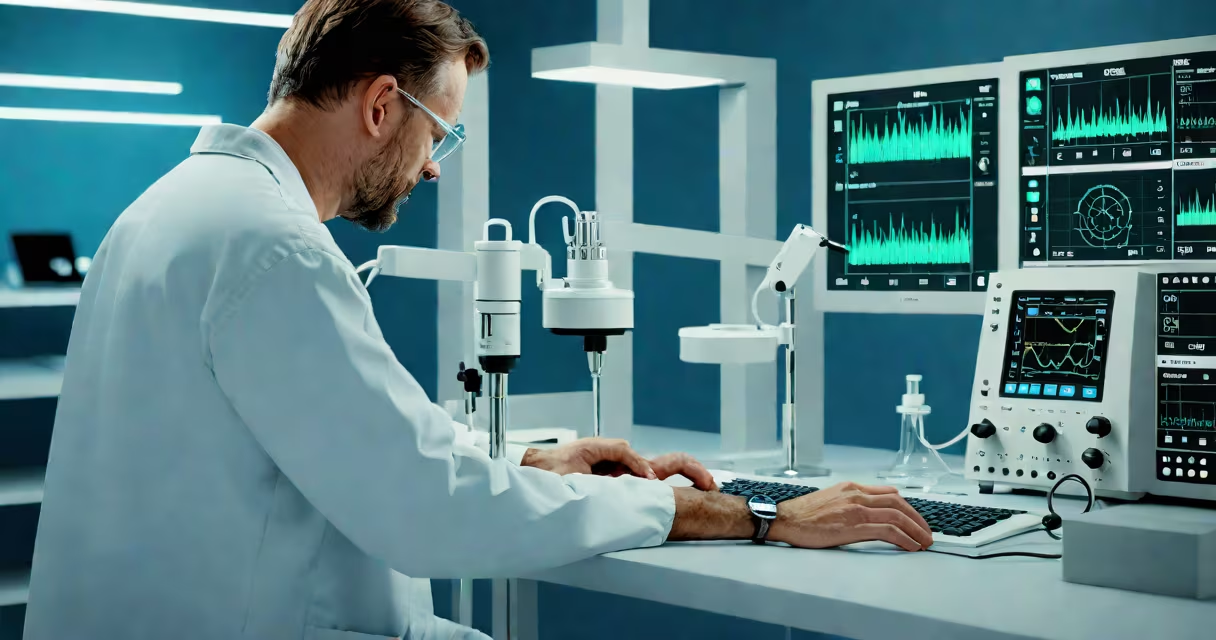
HPLD stands for high-performance liquid chromatography, a laboratory method used to separate, identify, and quantify components in a liquid mixture. It is widely used in pharmaceutical development, toxicology screening, and clinical diagnostics to analyze drugs, metabolites, and biomarkers.
High-performance liquid chromatography operates by pumping a sample through a column packed with tiny particles. As the sample moves through the column, different substances interact with the stationary phase at varying rates, causing them to elute (exit) at distinct times. This separation allows precise detection and measurement of individual compounds.
The technique is particularly effective for analyzing complex biological samples such as blood, urine, and serum. For example, HPLD can detect therapeutic drug levels in patients on antipsychotic medications, ensuring dosages remain within safe and effective ranges. It is also used in forensic labs to confirm the presence of controlled substances.
How HPLD Works in Practice
HPLD relies on a pump to deliver solvent at high pressure through a column filled with a solid adsorbent material. The sample is injected into the mobile phase, which carries it through the column. Components in the sample bind differently to the stationary phase based on their chemical properties-such as polarity, size, or charge-leading to separation.
A detector at the column's exit measures the amount of each substance as it emerges. Common detectors include UV-visible absorbance, fluorescence, and mass spectrometry. These tools provide real-time data, allowing analysts to generate a chromatogram-a graph showing peaks corresponding to each compound.
For instance, in a test for lithium levels in a patient's blood, HPLD can isolate lithium ions from other ions and proteins. The resulting peak appears at a known retention time, confirming the concentration. Results are typically reported in millimoles per liter (mmol/L), with normal therapeutic levels ranging between 0.6 and 1.2 mmol/L.
Types of HPLD and Their Applications
Several modes of HPLD exist, each suited to specific analytes. The most common types are reversed-phase, normal-phase, ion-exchange, and size-exclusion chromatography.
| Type | Principle | Common Use Cases |
|---|---|---|
| Reversed-phase | Non-polar stationary phase; polar compounds elute first | Drug metabolism studies, hormone analysis |
| Normal-phase | Polar stationary phase; non-polar compounds elute first | Separation of lipid classes, fatty acids |
| Ion-exchange | Charged resin separates ions based on charge | Protein purification, electrolyte testing |
| Size-exclusion | Porous beads trap larger molecules longer | Analysis of large biomolecules like antibodies |
Reversed-phase HPLD is the most frequently used in clinical settings due to its compatibility with organic solvents and broad applicability. It is standard in laboratories assessing medication adherence and detecting drug abuse.
Common Misconceptions and Clarifications
HPLD is often confused with HPLC-the same technique spelled with a "C" for "chromatography." The abbreviation HPLD is not standard in scientific literature. The correct acronym is HPLC, and HPLD is likely a typographical error or misinterpretation.
Some sources incorrectly list HPLD as standing for "high-pressure liquid detection," but this is not recognized in medical or analytical chemistry references. The term "detection" is not part of the official name. According to the National Center for Biotechnology Information (NCBI), HPLC remains the universally accepted acronym.
Another misconception is that HPLD can replace immunoassays entirely. While HPLC offers higher specificity and accuracy, especially in complex matrices, immunoassays remain faster and cheaper for initial screening. A 2021 study published in Clinical Chemistry showed that combining both methods reduced false positives by 38% in opioid testing.
Real-World Example: Drug Monitoring in Psychiatry
In a psychiatric clinic, a patient prescribed clozapine-an antipsychotic with narrow therapeutic index-requires regular monitoring. Therapeutic levels must stay between 350 and 1,000 ng/mL to prevent side effects like agranulocytosis while maintaining efficacy.
Using reversed-phase HPLC, a lab processes the patient's plasma sample. After extraction and filtration, the sample is injected into the system. The chromatogram shows a single peak at 8 minutes, matching the expected retention time for clozapine. The area under the curve confirms a concentration of 720 ng/mL-within the therapeutic window.
This result prevents unnecessary dosage changes and avoids hospitalization due to toxicity. Without HPLC, false readings from cross-reactive immunoassays could lead to incorrect conclusions.
Why HPLD Matters in Clinical Decision-Making
HPLC enables objective, reproducible results critical in treatment planning. Unlike qualitative tests, it provides numerical values essential for adjusting doses in chronic conditions like epilepsy, heart failure, and autoimmune disorders.
For example, patients on phenytoin require monitoring because levels above 20 µg/mL increase the risk of nystagmus, ataxia, and cognitive impairment. HPLC detects phenytoin with 99.7% accuracy, according to a 2020 validation study by the American Board of Clinical Chemistry (ABCC).
When used correctly, HPLC supports personalized medicine by tailoring drug regimens to individual metabolic profiles. It is also important in regulatory compliance-pharmaceutical companies must validate HPLC methods before submitting new drugs to the FDA.
During a routine audit at a university hospital, a discrepancy was found in a batch of insulin assays. Re-testing via HPLC revealed contamination in the reagent kit. The error was traced to a faulty supplier, preventing potential harm to hundreds of diabetic patients. This incident underscores how HPLC serves as a gold-standard quality control tool.