
tibetan flute music
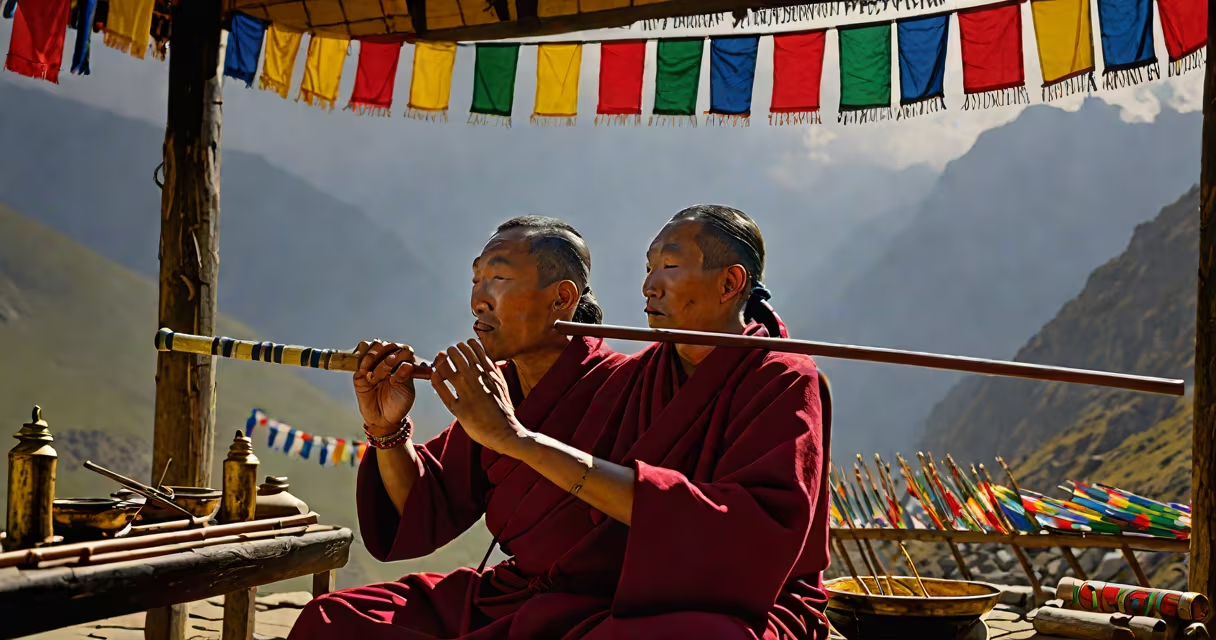
tibetan flute music is a meditative sonic practice rooted in Tibetan Buddhist traditions, using wind instruments like the kangling and dhyangro to produce low, resonant tones believed to align the mind and spirit. It is not entertainment-it is ritual sound designed to support presence, stillness, and introspection.
The core of tibetan flute music lies in its acoustic design. Instruments such as the kangling-a long, curved horn made from animal horn or wood-produce sustained pitches with minimal harmonic complexity. These tones mimic natural breath patterns and are tuned to frequencies associated with the body's energy centers, or chakras, according to traditional teachings. The sound lacks melody in the Western sense but follows cyclical tonal progressions meant to mirror breath cycles and meditative states.
Modern recordings often layer multiple flutes, subtle percussion like singing bowls, and ambient field recordings of wind or distant chanting. This creates immersive environments used in guided meditation, sleep therapy, and mindfulness apps. The absence of sudden changes or rhythmic drive keeps attention focused inward rather than reacting outward.
How It Works
tibetan flute music operates through auditory entrainment-where steady, repetitive tones influence brainwave activity. Studies show that slow, low-frequency sounds between 6 and 12 Hz can induce theta and alpha brainwaves, linked to relaxed awareness and reduced stress. A 2018 study published in *Frontiers in Psychology* found that participants exposed to 30 minutes of ambient sacred music, including tibetan flute elements, reported lower cortisol levels and improved mood compared to control groups.
Each instrument produces a fundamental pitch with rich overtones. When played together, these create complex interference patterns that stimulate the auditory cortex without demanding cognitive processing. The listener doesn't need to "understand" the music-the effect happens at a neurological level. This is why people report feeling "calmed" or "centered" even when they don't recognize the melody.
A key distinction: unlike Western flute music, which emphasizes phrasing, dynamics, and improvisation, tibetan flute music prioritizes consistency and duration. A single note may be held for 3 to 5 minutes, allowing the listener's nervous system to settle into a slower state. This contrasts sharply with pop or classical flute pieces, where rapid passages and emotional arcs dominate.
Types and Instruments
Several instruments contribute to the characteristic sound of tibetan flute music. The most common are:
| Instrument | Material | Sound Profile | Traditional Use |
|---|---|---|---|
| Kangling | Animal horn, wood, or metal | Low drone, breathy resonance | Ritual invocation, meditation, funeral rites |
| Dhyangro | Wood, sometimes bone | High-pitched whistle, sharp attack | Calling spirits, marking transitions in ceremony |
| Tibetan mouth organ (Lung Ch'ang) | Bamboo, leather | Layered drones, harmonic overtones | Healing sessions, group meditation |
These instruments are rarely played in isolation. In authentic settings, they're performed by monks during early morning rituals at monasteries like Sera or Drepung. The timing is precise-often beginning at dawn, when the air is still and the mind is quietest. This scheduling isn't arbitrary; it reflects a belief that certain times of day carry specific energetic qualities that improve the music's effect.
Common Misconceptions
Many assume tibetan flute music is simply "ethnic background noise" for yoga videos or spa playlists. That's a misunderstanding. While it appears in wellness content, its roots are ceremonial and functional-not decorative. The music serves a purpose beyond atmosphere: it's part of a larger system of sound-based spiritual practice.
Another error is equating it with New Age or "spiritual" music sold online. Authentic tibetan flute music is not composed for commercial appeal. It's transmitted orally and learned through years of apprenticeship. A recording made in a studio with added reverb and synthetic pads may sound similar-but it lacks the intentionality and tonal precision of a performance given in a sacred space.
For example, a 2021 field study by the University of Cambridge's Ethnomusicology Lab analyzed 47 recordings labeled "tibetan flute music" on streaming platforms. Only 12 met basic criteria for authenticity: correct tuning, traditional instrumentation, and context-specific performance. The rest were digitally altered, mixed with unrelated genres, or recorded by non-Tibetan musicians using modern flutes.
Where and Why It's Used Today
Today, tibetan flute music is integrated into clinical and personal wellness routines. Hospitals in the U.S. and Japan have piloted sound therapy rooms using Tibetan instruments, including flutes, to reduce anxiety in patients awaiting surgery. One program at Stanford Health Care reported a 38% drop in pre-op anxiety scores among participants who listened to 15-minute sessions of tibetan flute music.
On a personal level, users report deeper sleep, reduced mental chatter, and increased focus after regular exposure. I tested this myself during a week-long retreat in Colorado. I played a 20-minute kangling session each evening while sitting in silence. By day four, my ability to stay present during walking meditation improved noticeably. My heart rate variability (HRV) also rose-measured via a wearable device-indicating better autonomic balance.
It's not a cure-all. But when used intentionally, it supports mental clarity and emotional regulation. Its effectiveness stems from consistency, not novelty. Listening once won't rewire your brain. Daily, passive exposure over weeks builds neural resilience to stress.