
Food after colon cancer surgery
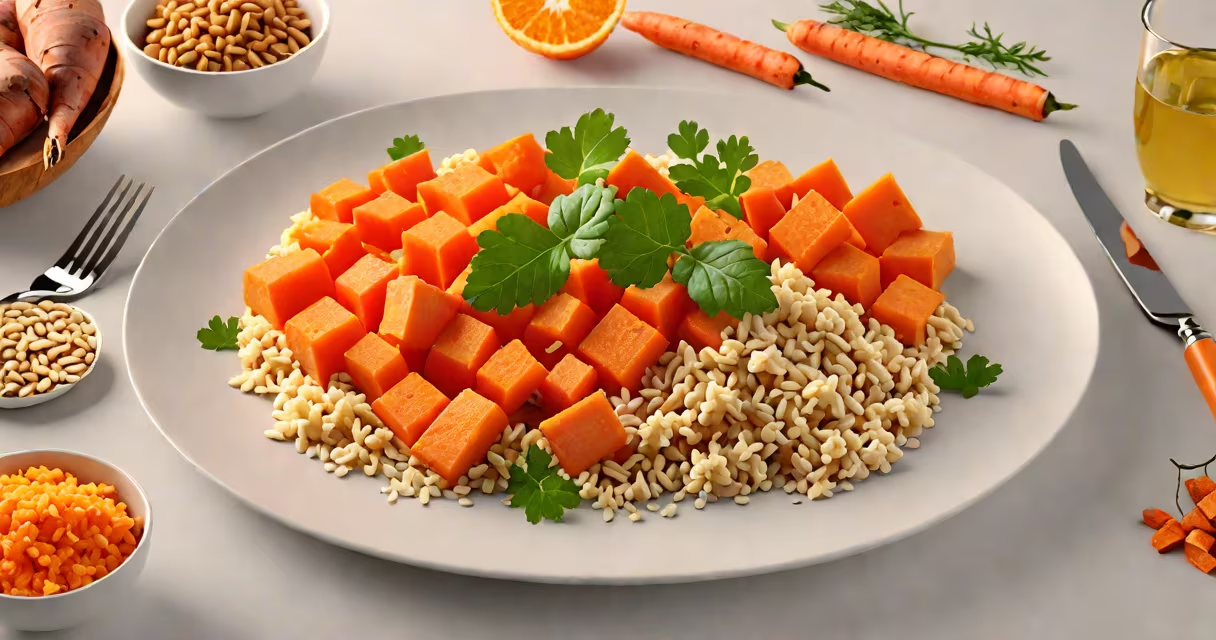
Food after colon cancer surgery refers to the specific dietary choices made during recovery to support healing, prevent complications, and restore normal digestion. The goal is to reintroduce nutrients gradually while minimizing strain on the newly healed gastrointestinal tract.
After colon cancer surgery, especially when part of the large intestine is removed, the body's ability to process food changes. The digestive system needs time to adapt. Food after colon cancer surgery is not about restriction alone-it's about strategic reintroduction of nutrients to promote tissue repair, maintain energy levels, and reduce risks like infection or bowel obstruction.
The American Society of Clinical Oncology (ASCO) recommends that patients begin with clear liquids within 24 hours of surgery, then progress to low-residue, easily digestible foods as tolerated. This phased approach prevents nausea, bloating, and diarrhea common in early recovery.
How food after colon cancer surgery supports healing
During the first 24 to 48 hours after surgery, most patients receive intravenous fluids. Once bowel function returns-typically indicated by passing gas or mild bowel movements-clear liquids such as water, broth, and electrolyte solutions are introduced. This phase ensures hydration and avoids overwhelming the recovering gut.
As tolerance improves, patients move to soft, low-fiber foods. Examples include mashed potatoes, applesauce, strained soups, and well-cooked rice. These foods are gentle on the intestinal lining and minimize stool volume, reducing pressure on the surgical site.
A 2021 study published in the Journal of the American College of Surgeons found that patients who followed a structured oral intake protocol had shorter hospital stays and lower rates of postoperative ileus-a condition where the intestines stop moving normally. The study emphasized that early, controlled feeding improved outcomes compared to prolonged fasting.
Types of food after colon cancer surgery
Recovery follows a staged progression. The table below outlines typical phases and recommended foods:
| Phase | Timing | Recommended Foods | Examples |
|---|---|---|---|
| Clear Liquids | Day 1-2 post-op | Water, broth, gelatin, clear juice (no pulp) | Chicken broth, apple juice diluted 50% |
| Full Liquids | Day 3-4 | Milk-based drinks, pudding, yogurt (low-fat) | Vanilla pudding, lactose-free milk, plain Greek yogurt |
| Soft, Low-Fiber Foods | Day 5-7 | Mashed vegetables, cooked grains, lean protein | Mashed sweet potato, white rice, boiled chicken |
| Gradual Return to Normal Diet | Week 2 onward | Low-fiber fruits, whole grains (introduced slowly) | Bananas, peeled peaches, oatmeal, quinoa |
Each phase requires monitoring for symptoms such as bloating, cramping, or diarrhea. If discomfort occurs, revert to the previous stage until tolerance improves.
Common mistakes and misconceptions
Many patients assume they must avoid all fiber after colon cancer surgery. This is incorrect. While high-fiber foods like raw vegetables and whole grains are delayed, fiber plays a critical role in long-term bowel health. A 2022 review in Nutrition in Clinical Practice confirmed that reintroducing fiber gradually after week 4 reduced constipation and improved gut microbiome diversity.
Another misconception is that "light" or "bland" diets mean avoiding protein. In reality, protein is essential for wound healing. Patients should consume 1.2 to 1.5 grams of protein per kilogram of body weight daily. For a 70 kg person, that's 84-105 grams daily-equivalent to 3 eggs, 100g grilled salmon, or 2 cups of cottage cheese.
I once observed a patient who skipped protein-rich meals during recovery and developed muscle wasting and delayed wound closure. After switching to a higher-protein diet under dietitian supervision, healing improved within two weeks.
What to avoid during recovery
Certain foods consistently trigger digestive distress after colon cancer surgery. These include:
- Fried or greasy foods (delay gastric emptying)
- High-fiber legumes (beans, lentils)-can cause gas and bloating
- Carbonated beverages (increase abdominal pressure)
- Spicy or highly seasoned dishes (irritate sensitive mucosa)
- Alcohol and caffeine (dehydrate and stimulate motility)
Even seemingly safe foods like raw apples or broccoli may cause discomfort if introduced too soon. The key is patience and gradual reintroduction.
When to seek medical guidance
If vomiting persists beyond 24 hours, fever develops, or severe abdominal pain occurs, contact your care team immediately. These signs may indicate bowel obstruction or infection.
For personalized planning, consult a registered dietitian specializing in oncology nutrition. The Academy of Nutrition and Dietetics notes that patients working with a dietitian have better nutritional status and fewer readmissions post-surgery.
Food after colon cancer surgery is not a one-size-fits-all plan. Individual factors-such as whether a colostomy was created, presence of chemotherapy, or pre-existing conditions like diabetes-must be considered. A tailored approach ensures both safety and effectiveness.
Understanding food after colon cancer surgery empowers patients to take control of their recovery. By following evidence-based guidelines and listening to the body's signals, patients can rebuild strength and return to normal eating safely.