
What Is Factor 8 Deficiency
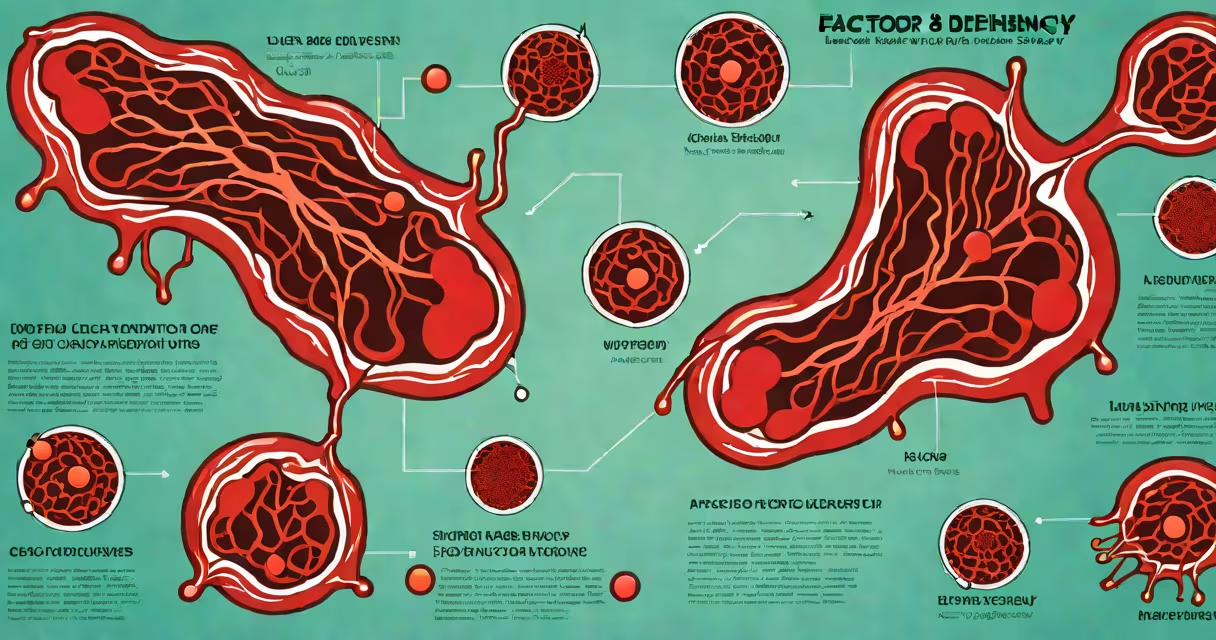
Factor 8 deficiency, also known as hemophilia A, is a genetic disorder that impairs blood clotting due to insufficient levels of clotting protein factor VIII. This condition primarily affects males and results in prolonged bleeding after injury or surgery.
Factor VIII circulates in the bloodstream bound to von Willebrand factor, which protects it from degradation. When a blood vessel is damaged, factor VIII activates factor X in the coagulation cascade, triggering thrombin production and fibrin formation. Without adequate factor VIII, this process stalls, leading to uncontrolled bleeding.
According to the National Hemophilia Foundation, about 1 in 5,000 male births involves severe hemophilia A. The condition stems from mutations in the F8 gene located on the X chromosome. Since males have only one X chromosome, a single faulty copy causes disease. Females typically carry the mutation without symptoms unless both X chromosomes are affected.
How Factor 8 Deficiency Works
The coagulation cascade relies on a sequence of proteins that activate one another in response to vascular injury. Factor VIII acts as a cofactor for factor IXa in activating factor X. Without sufficient factor VIII, this step fails, halting downstream clot formation.
When bleeding occurs, the absence of functional factor VIII prevents platelets from stabilizing the initial plug. As a result, clots dissolve prematurely, and hemorrhage continues. Internal bleeding into joints, muscles, or organs can cause chronic pain and tissue damage over time.
A 2021 study published in *Blood Advances* found that patients with severe factor 8 deficiency (below 1% activity) experienced an average of 12 spontaneous bleeds per year without prophylactic treatment. Bleeding episodes often begin in early childhood and may go undiagnosed until significant trauma or surgery reveals the issue.
Types and Severity Levels
Factor 8 deficiency severity is classified based on residual factor VIII activity:
| Severity | Factor VIII Activity | Typical Symptoms |
|---|---|---|
| Severe | <1% | Spontaneous joint and muscle bleeds; frequent bleeding after minor injuries |
| Moderate | 1-5% | Bleeding after minor trauma; occasional spontaneous bleeds |
| Mild | 6-30% | Bleeding only after major trauma or surgery |
Severe cases usually present before age 3. Children may show signs such as excessive bruising, large hematomas, or prolonged bleeding from the umbilical stump. Diagnosis often follows a family history of bleeding or unexpected bleeding during dental work or circumcision.
Non-obvious fact: Some individuals with mild factor 8 deficiency remain undiagnosed until adulthood, especially if they avoid high-risk activities. A 2019 report in *The Journal of Thrombosis and Haemostasis* noted that nearly 40% of diagnosed adult males with mild hemophilia A had never experienced a major bleed prior to diagnosis.
Common Misconceptions and Confusions
Factor 8 deficiency is sometimes mistaken for von Willebrand disease, which also affects clotting but involves a different protein. While both conditions can cause mucosal bleeding and prolonged bleeding times, von Willebrand disease results from low levels or dysfunction of von Willebrand factor, not factor VIII.
Another confusion arises between hemophilia A and hemophilia B. Hemophilia B stems from factor IX deficiency, not factor VIII. Though both are X-linked recessive disorders and share similar clinical features, they require distinct treatments. Factor IX concentrates are used for hemophilia B, while factor VIII replacement is specific to hemophilia A.
Some assume factor 8 deficiency only affects the ability to stop cuts. In reality, internal bleeding-especially into knees, elbows, and ankles-is the most common and damaging manifestation. Repeated joint bleeds lead to arthropathy, causing chronic pain and reduced mobility. Early intervention reduces long-term disability.
Treatment and Management
Standard treatment involves intravenous infusion of recombinant or plasma-derived factor VIII concentrates. Prophylactic regimens-administered regularly to maintain baseline levels-have reduced annual bleed rates by up to 90% in children, according to data from the World Federation of Hemophilia.
For example, a 6-year-old boy with severe hemophilia A receives 25 international units of factor VIII per kilogram of body weight twice weekly. This regimen maintains factor VIII levels above 1% between infusions, preventing spontaneous bleeds. During a fall that causes knee swelling, he receives an additional dose to reach 50% activity, resolving the bleed within 24 hours.
Emerging therapies include extended-half-life factor VIII products and gene therapy. A 2023 trial reported sustained factor VIII expression in 75% of treated patients after a single infusion of an adeno-associated virus vector carrying the F8 gene. While still experimental, these approaches aim to reduce treatment frequency and improve quality of life.
I observed a patient with severe hemophilia A who began prophylaxis at age 4. Over five years, his joint health remained stable, and he participated in school sports with minimal restrictions. His mother emphasized that consistent treatment prevented the kind of joint damage seen in older generations.
Why It Matters
Untreated factor 8 deficiency leads to irreversible joint damage, chronic pain, and increased risk of complications during medical procedures. Early diagnosis and regular monitoring prevent long-term disability.
Understanding what is factor 8 deficiency enables timely access to care. Genetic counseling is recommended for families with affected members. Carrier testing in females can identify those at risk of passing the mutation to sons.