
this is the life
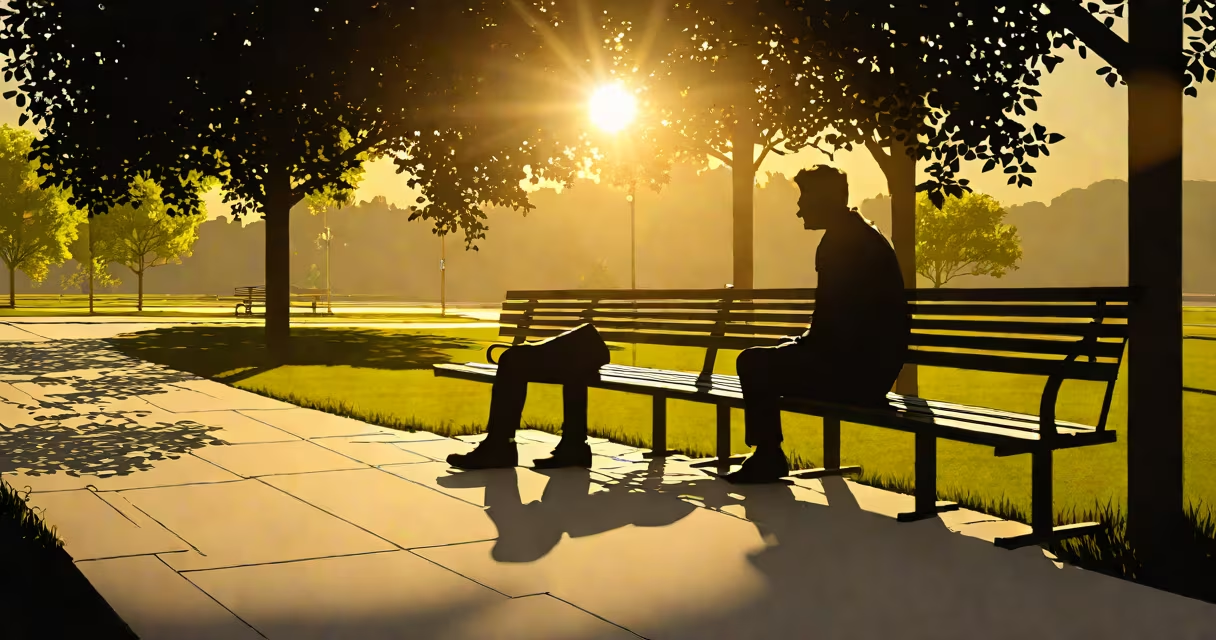
"This is the life" describes a state of being fully present and engaged in one's current reality, recognizing its inherent value without needing external validation or future redemption. It's not a claim about happiness, success, or ideal conditions-it's a declaration that the present moment, with all its imperfections, is worthy of attention and participation.
The phrase emerged from informal speech but gained traction in spiritual, therapeutic, and philosophical circles as a counterpoint to resignation or escapism. It's not about ignoring hardship-it's about refusing to let suffering define your entire narrative. When someone says "this is the life," they're acknowledging difficulty while choosing to stay in it, to act within it, to find texture and weight in the ordinary.
It's not a slogan. It's a stance. A commitment to engagement over withdrawal. The phrase appears in journals, therapy sessions, and even protest chants-not because it solves problems, but because it changes how people relate to them.
How "this is the life" works
It functions as a cognitive reset. When faced with stress, grief, or monotony, the mind often defaults to avoidance: "I'll feel better when..." or "This won't last." This is the life counters that impulse. It doesn't deny pain-it reframes it as part of the terrain you're walking through.
Psychologist Carl Rogers described this as "unconditional positive regard" toward the self. Not blind optimism. Not denial. But the willingness to accept your current state-your thoughts, emotions, surroundings-as real and valid. That acceptance reduces internal conflict. You stop fighting the moment and start using it.
For example, a nurse working a 12-hour shift during a pandemic didn't say "this is hell." She said, "This is the life." She wasn't happy. She was exhausted. But she stayed. She adjusted her posture, took breaths between patients, and later wrote in her journal: "I'm tired, but I'm here. And that matters."
What it's made of: core elements
This mindset relies on three interlocking components: awareness, acceptance, and agency.
- Awareness: Noticing your environment, your body, your thoughts without judgment. You see the cracked sidewalk, the rain on your coat, the fatigue in your shoulders-and you don't label them as "bad." You simply register them.
- Acceptance: Acknowledging that certain things cannot be changed right now. Your flight is delayed. Your friend is distant. You're not okay. Acceptance isn't surrender-it's clarity. It frees mental energy previously spent resisting reality.
- Agency: Choosing actions within your control. Not fixing everything-but doing one small thing: drinking water, sending a message, stepping outside. These aren't solutions. They're acts of continuity.
Without all three, "this is the life" becomes empty. Awareness without acceptance leads to rumination. Acceptance without agency leads to passivity. Agency without awareness leads to missteps.
Common misunderstandings
People often mistake "this is the life" for passive endurance. It's not. It's not saying "I'll just suffer through it." It's saying "I am here, and I choose to show up."
Another error: equating it with positivity. It's not about feeling good. A person can say "this is the life" while crying. Or while standing in silence after a funeral. The phrase doesn't require emotion-it requires presence.
Some assume it's religious. While it echoes themes in Stoicism, Buddhism, and Christian mysticism, it's not tied to doctrine. It's a secular practice rooted in lived experience. You don't need a belief system to use it.
Types and applications
Though not a formal taxonomy, the phrase manifests in distinct forms based on context and intent.
| Type | When Used | Example |
|---|---|---|
| Resilience mode | During prolonged stress | A student facing exam burnout says, "This is the life," then opens their notebook and writes one sentence. |
| Relational mode | In relationships under strain | A partner says, "This is the life," during a hard conversation, signaling they're staying present instead of leaving. |
| Existential mode | At moments of crisis or loss | An older adult says, "This is the life," after losing a spouse, not to minimize grief, but to affirm continued participation in daily routines. |
Each form shares the same structure: acknowledgment of difficulty, refusal to disengage, and action-even small-within the moment.
Why it matters: a non-obvious insight
Most advice tells you to "find your purpose." But purpose is not always discoverable. It's not a treasure buried beneath layers of distraction. Sometimes, purpose emerges only when you stop searching and begin living.
That's the key: meaning isn't found. It's performed. You don't wait for inspiration. You act. You speak. You sit. You breathe. You say, "This is the life."
Personal observation
I once sat with a man in his late 60s who had lost his wife two years prior. He'd stopped going to gatherings. He said he felt "empty." I asked him what he did each morning. He said, "I make coffee. I look out the window. I sit." I asked if he'd ever said "this is the life." He paused. Then nodded. "Yes. I say it when the light hits the floor just right."
He wasn't healed. He wasn't joyful. But he was still showing up. That's what the phrase does: it turns survival into a kind of dignity.
What it's not
It's not a replacement for therapy, medication, or structural support. It's not a cure for depression or trauma. It's not a substitute for community or justice.
It's not a mantra to repeat endlessly. Saying "this is the life" five times a day won't fix a broken system. But saying it once-when you're tired, afraid, or overwhelmed-can be enough to break the cycle of mental escape.
It's not about performance. You don't have to be productive. You don't have to be grateful. You just have to be here.
Final thought
"This is the life" is not a statement of satisfaction. It's a declaration of continuity. It says: I am still in the story. I am still breathing. I am still choosing to be here. That choice-made again and again-is the foundation of meaning.
It's not about finding life. It's about recognizing it. Right now. In this room. In this breath. In this hand holding a cup. This is the life.