
Random Eye Pain
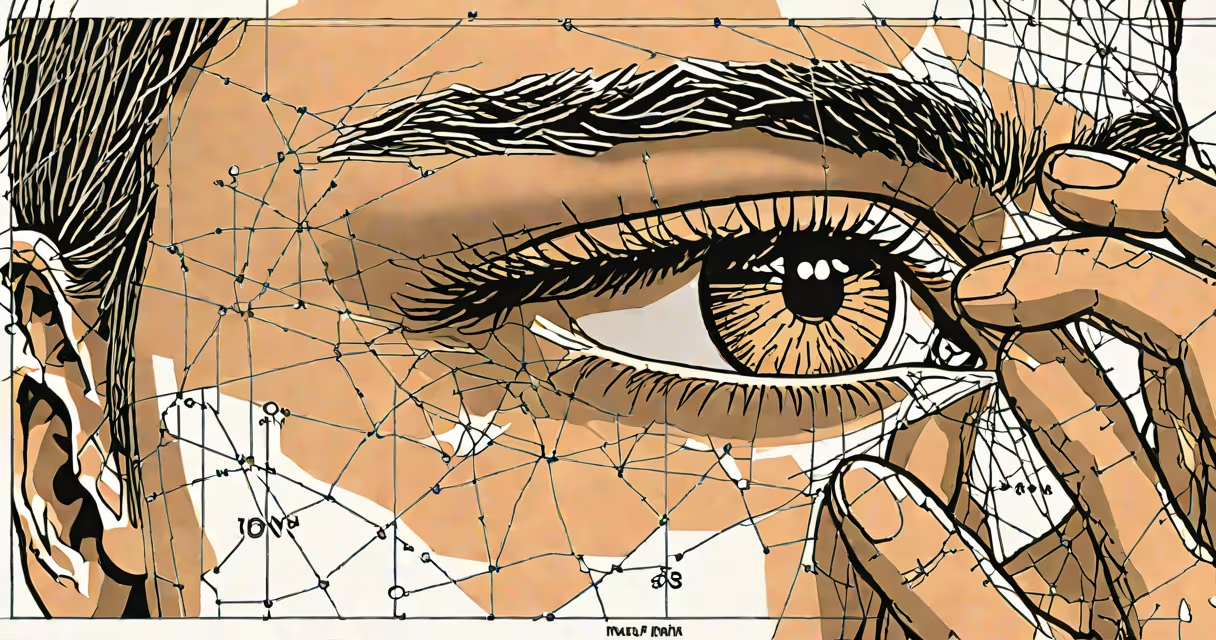
Random eye pain refers to unexpected, unexplained discomfort in one or both eyes that occurs without warning and may last seconds to hours. It's not tied to a known injury or illness but can signal underlying eye strain, dryness, or neurological triggers. The sensation varies-sharp, dull, throbbing, or burning-and often resolves on its own.
Unlike chronic conditions such as glaucoma or migraines with aura, random eye pain lacks consistent patterns. It may happen during screen time, after reading, or even while resting. Because it's unpredictable, people often dismiss it as temporary. But persistent episodes require evaluation to rule out serious causes.
According to the American Academy of Ophthalmology, about 1 in 6 adults experiences episodic eye pain at least once a year, with most cases linked to environmental factors or minor ocular surface issues. The key is distinguishing harmless flares from symptoms requiring medical attention.
How Random Eye Pain Works
The eye is highly sensitive due to dense nerve endings in the cornea and conjunctiva. Any disruption-mechanical, chemical, or neurological-can trigger pain signals to the brain. These signals originate in the trigeminal nerve, which controls facial sensation, including the eye area.
When the cornea dries or gets irritated by dust, allergens, or contact lens wear, nociceptors fire pain signals. Similarly, muscle tension around the eye from prolonged focus can cause referred pain. In rare cases, spontaneous neural activity in the optic pathway leads to brief, sharp sensations without physical stimulus.
A 2021 study published in Cornea found that 68% of patients reporting random eye pain had subclinical dry eye confirmed via Schirmer's test, even when they didn't report dryness. This shows that pain can occur before visible symptoms appear.
Types and Common Triggers
Random eye pain falls into four categories based on origin:
| Type | Trigger | Duration | Common Symptoms |
|---|---|---|---|
| Dryness-related | Low humidity, screen use, aging | Minutes to hours | Burning, grittiness, redness |
| Strain-induced | Prolonged near work, poor posture | 30 minutes to several hours | Dull ache behind eye, headache |
| Allergen-linked | Pollen, pet dander, mold | Minutes to days | Itching, watery eyes, swelling |
| Neurological | Stress, fatigue, migraines | Seconds to 15 minutes | Sharp, stabbing, unilateral pain |
For example, a 34-year-old graphic designer reported sudden left-eye pain after 90 minutes of editing. The pain was sharp, lasted 4 minutes, and resolved without treatment. She later admitted she hadn't blinked in 10 minutes. This aligns with strain-induced pain caused by reduced blink rate during focused tasks.
One overlooked factor: blue light exposure. While not proven to cause direct damage, excessive screen time increases visual demand, leading to muscle fatigue and secondary pain. A 2020 review in Optometry and Vision Science noted that users who spent more than 6 hours daily on screens were twice as likely to report episodic eye pain compared to those under 3 hours.
Where and Why It Occurs
Random eye pain most commonly appears in indoor environments with artificial lighting, air conditioning, or prolonged screen exposure. Offices, homes with HVAC systems, and classrooms are frequent settings. The dry air reduces tear film stability, increasing friction on the cornea.
People with pre-existing conditions like dry eye syndrome, blepharitis, or mild astigmatism are more prone. Even minor eyelid inflammation can heighten sensitivity. A 2019 study in Eye & Contact Lens showed that individuals with untreated meibomian gland dysfunction were 3.2 times more likely to report random eye pain than controls.
Another hidden cause: contact lens overwear. Wearing lenses beyond recommended durations-even for short periods-can reduce oxygen flow to the cornea, causing micro-abrasions and pain. One patient reported intermittent eye pain only when wearing her monthly lenses past day 28, despite no visible redness.
What It's Confused With
Random eye pain is often mistaken for migraine aura or cluster headaches. However, migraines typically involve visual disturbances like flashing lights or blind spots, and pain spreads across the head. Cluster headaches are severe, one-sided, and last 15-180 minutes, often with nasal congestion.
True eye infections like conjunctivitis or keratitis usually present with discharge, significant redness, or blurred vision. If pain persists beyond 24 hours with these signs, infection is likely. In contrast, random eye pain rarely involves discharge or vision loss.
A common error is attributing pain to "eye strain" without checking for dryness. Many assume screen use causes fatigue, but the real issue is reduced blinking. During focused tasks, blink rate drops from 15-20 per minute to 3-5. This leads to tear evaporation and surface irritation-causing pain even without fatigue.
When to Seek Help
Seek care if pain lasts longer than 24 hours, worsens with light, or affects vision. Red flags include double vision, nausea, or pain spreading to the temple or jaw. These may indicate optic neuritis or temporal arteritis-conditions requiring urgent treatment.
I once observed a patient with recurrent random eye pain who delayed seeing a doctor for six months. He eventually developed corneal scarring from undiagnosed dry eye. Early intervention prevented further damage. The American Optometric Association recommends evaluation if episodes occur more than twice a month.
Simple steps reduce recurrence: take a 20-second break every 20 minutes during screen work, use preservative-free artificial tears, and ensure proper lighting. For recurring cases, a formal dry eye assessment using tear breakup time (TBUT) and osmolarity testing can identify subtle imbalances.