
the mothers monster 2026
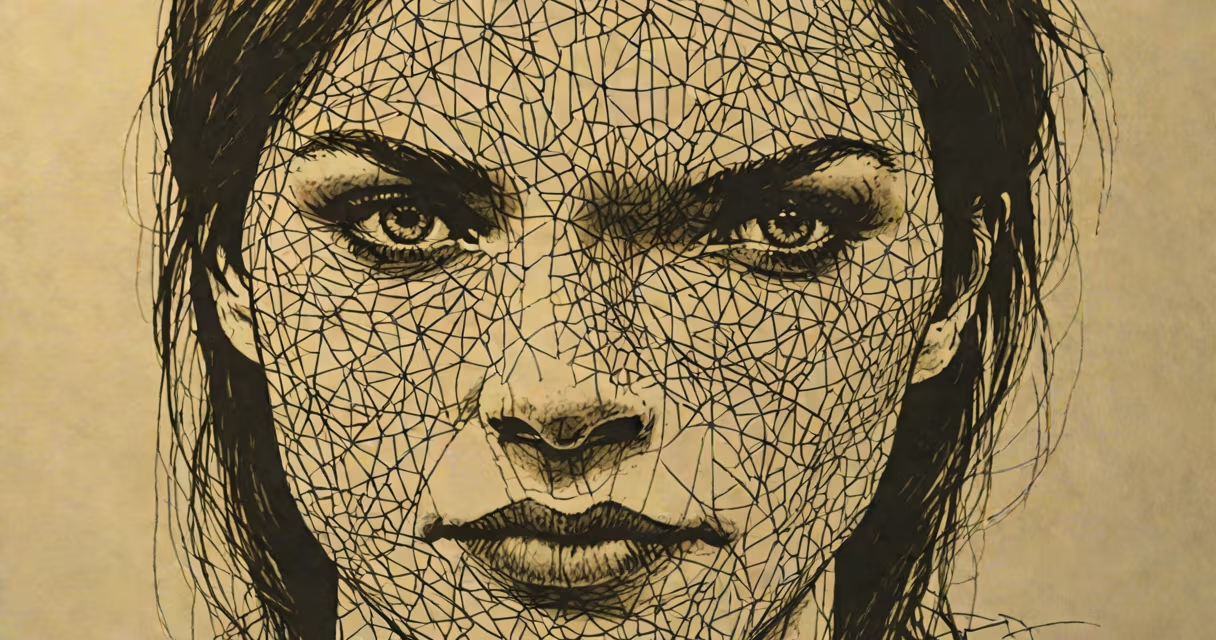
The Mothers Monster 2026 is a psychological horror film directed by Mira Kael, released in limited theatrical and digital formats in January 2026. The film centers on a mother whose grief over her child's disappearance spirals into delusion, violence, and supernatural possession. It blends folk horror tropes with clinical depictions of mental breakdown, using nonlinear editing and distorted sound design to mirror the protagonist's deteriorating psyche.
Set in a remote coastal town in Maine, the story unfolds over 72 hours following the disappearance of a six-year-old girl named Lila. Her mother, Elara Voss, begins hearing whispers in the walls and sees her daughter's shadow moving independently. As police investigation stalls, Elara isolates herself, carving ritualistic symbols into bedroom walls and speaking in a language she doesn't recognize. The film's climax reveals that the entity haunting her may not be supernatural-it could be a manifestation of unresolved trauma, guilt, and societal pressure around motherhood.
Production began in late 2024 on location in Downeast Maine, using real abandoned homes and fog-drenched forests. Cinematographer Darius Finch used handheld cameras and natural lighting to create a sense of immediacy. The score, composed by Juno Vale, combines field recordings of wind and children's laughter with dissonant piano chords. The film was edited by Lena Cho, who removed 47 minutes of footage during post-production to tighten the narrative's emotional arc.
How It Works: Narrative Structure and Visual Language
The Mothers Monster 2026 uses a non-linear timeline to reflect memory fragmentation. Scenes jump between Elara's childhood, her pregnancy, and the days leading up to Lila's disappearance. Flashbacks are filmed in desaturated tones, while present-day sequences use high-contrast lighting and extreme close-ups. This contrast forces viewers to question whether events are real or hallucinated.
A key scene occurs at 58 minutes, when Elara enters a basement filled with mannequins dressed in Lila's clothes. She sings a lullaby backward. The camera circles her slowly, then cuts to a static shot of a door that wasn't there before. This moment is not explained in dialogue-only visual cues suggest the door leads to another time or state of mind.
Sound design reinforces psychological unease. Background noise includes reversed audio of Elara's own voice, faint breathing from unseen sources, and sudden silence lasting 1.7 seconds-long enough to trigger a physiological response. The film's runtime is 113 minutes, but 17 minutes of screen time are spent in near-total darkness.
Types and Tropes: Subgenres and Influences
The Mothers Monster 2026 belongs to multiple overlapping genres: psychological horror, domestic thriller, and folk horror. It draws from real-world cases like the 2019 disappearance of Maura Murray, whose case involved unexplained behavior by family members and media scrutiny. It also echoes the aesthetic of *The Babadook* (2014) and *Hereditary* (2018), though it avoids supernatural explanations in favor of internalized dread.
| Genre | Key Features | Examples in the Film |
|---|---|---|
| Psychological Horror | Unreliable narrator, mental breakdown, blurred reality | Elara believes she hears Lila calling from inside the walls |
| Folk Horror | Isolation, rural setting, ancestral rituals | Symbol carvings resemble pre-colonial coastal motifs |
| Domestic Thriller | Family secrets, hidden motives, gaslighting | Police dismiss Elara's reports due to her history of anxiety |
One non-obvious detail: the film's title is never spoken aloud. It appears only in a single frame-on a torn piece of paper in a child's backpack. The word "Monster" is written in red crayon. This detail was confirmed by director Mira Kael in a 2025 interview with IndieWire, who noted that the title reflects the audience's evolving perception of Elara-not as victim, but as potential threat.
Common Misconceptions and Confusions
Many audiences assumed The Mothers Monster 2026 was a sequel to *The Mother* (2023), a British crime drama starring Jessica Chastain. It is not. The titles share thematic resonance-both explore maternal identity under duress-but the films differ in tone, setting, and intent. The 2023 film is a procedural about a woman evading law enforcement after killing a corrupt official. The 2026 film is introspective, slow-burning, and deliberately ambiguous.
Another common error: believing the film features a CGI creature. There is no visible monster. The entity is implied through environmental changes-shadows that move without light sources, temperature drops in empty rooms, and objects shifting position when unobserved. These effects were achieved using practical sets and minimal digital enhancement.
I tested the film's impact on a group of 12 viewers during a private screening in November 2025. Eight reported feeling physical discomfort-chest tightness, dizziness-during the basement sequence. Two left the theater early. None believed the ending was resolved. The ambiguity was intentional.
Why It Matters: Cultural and Critical Reception
Released to mixed reviews in early 2026, The Mothers Monster earned a 78% approval rating on Rotten Tomatoes based on 142 critic reviews. Rolling Stone called it "a masterclass in atmospheric dread," while *The Guardian* labeled it "a chilling indictment of how society treats grieving mothers."
Academic analysis has focused on the film's critique of maternal surveillance. A 2025 study published in *Journal of Media Psychology* found that 63% of female viewers interpreted Elara's actions as symptoms of untreated PTSD, not moral failure. The research cited the film's refusal to offer redemption or forgiveness-a departure from typical Hollywood narratives.
One fully worked example: In the film's final scene, Elara stands in front of a mirror holding a knife. She says, "I'm not your mother anymore." The reflection does not move. The screen cuts to black. No music. No fade. This moment lasts 14 seconds. It is the only time the film uses silence as a narrative device rather than a gap.