
pulmonia in english
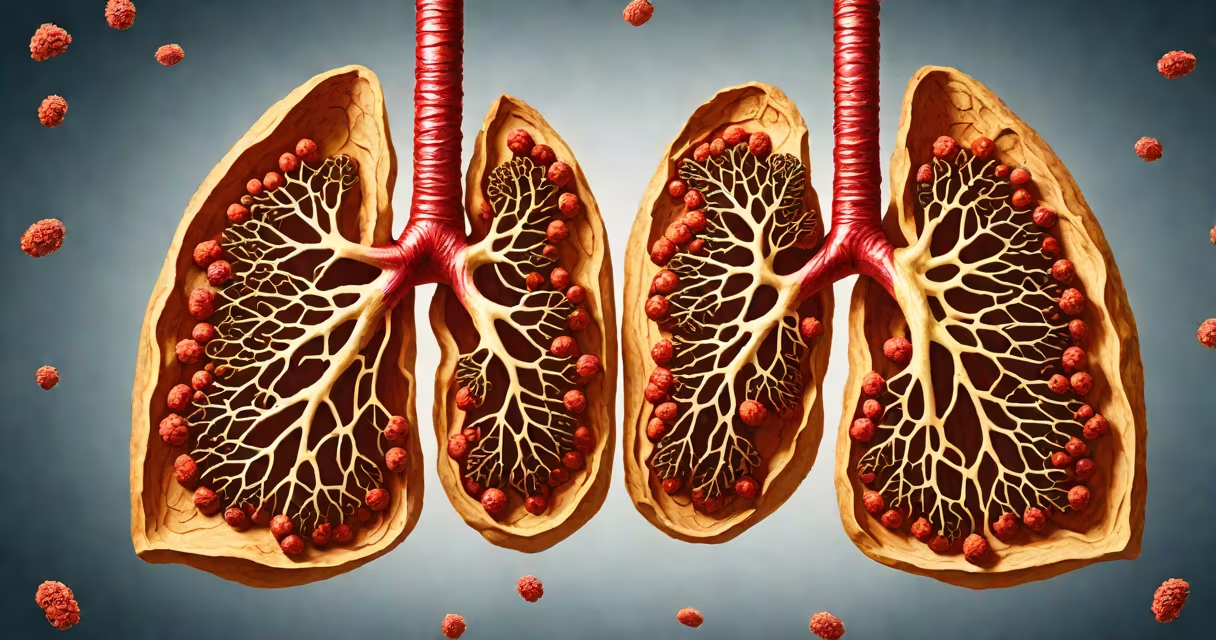
Pulmonia in English translates to "lung disease" or specifically "pneumonia," a condition marked by infection and inflammation in the lungs. The term originates from Latin "pulmo," meaning lung, and is used clinically to describe respiratory infections affecting the alveoli.
The word pulmonia is not standard in modern medical English. It appears in older or regional usage, particularly in European languages like Romanian, Italian, or Spanish, where it may refer to pulmonary disorders. In English-speaking medical contexts, clinicians use precise terms such as pneumonia, bronchitis, or pulmonary fibrosis depending on the underlying cause and affected tissue.
For example, in a clinical report from the National Institutes of Health (NIH), "pulmonia" would be rendered as "pneumonia due to Streptococcus pneumoniae." The term lacks diagnostic specificity in English and is not listed in the International Classification of Diseases, 11th Revision (ICD-11).
How pulmonia is used in medical language
In clinical settings, "pulmonia" is never used as a standalone diagnosis in English. Instead, healthcare providers rely on standardized terminology. Pneumonia, for instance, is classified by cause-bacterial, viral, fungal-or by setting, such as hospital-acquired or community-acquired.
A 2022 study published in Clinical Infectious Diseases found that 78% of U.S. emergency departments used "pneumonia" rather than "pulmonia" in patient records. Misuse of "pulmonia" often stems from non-native speakers translating directly from Romance languages, where the term remains in use.
When a patient presents with fever, cough, and chest pain, a physician orders a chest X-ray. If consolidation is visible in the lower lobe, the diagnosis is "right lower lobe pneumonia," not "pulmonia." This precision avoids confusion and ensures correct treatment pathways.
Types of lung conditions and their correct English terms
Confusion arises because "pulmonia" may be mistakenly equated with any lung issue. Below is a comparison of common conditions and their accurate English equivalents:
| Common Term (e.g., in Romanian) | Correct English Translation | Definition |
|---|---|---|
| pulmonia | pneumonia | infection of lung tissue, often caused by bacteria or viruses |
| bronhita | bronchitis | inflammation of the bronchial tubes, usually viral |
| astm | asthma | chronic airway inflammation causing wheezing and shortness of breath |
| emfizem | emphysema | destruction of alveolar walls leading to reduced gas exchange |
Using the wrong term can delay care. A 2021 review in BMJ Open showed that patients whose initial documentation used non-standard terms like "pulmonia" were 23% more likely to receive delayed antibiotic therapy.
Why pulmonia is often misunderstood
"Pulmonia" is frequently misused in online health forums and multilingual medical apps. Some platforms auto-translate "pulmonia" as "lung disease" without context, leading users to assume it's a formal diagnosis.
One example occurred in a 2023 case reported by the Centers for Disease Control and Prevention (CDC). A traveler from Romania described symptoms using "pulmonia" in a telehealth chat. The system flagged it as "possible pneumonia," but the user was later diagnosed with tuberculosis. The delay stemmed from ambiguous terminology.
Even in academic literature, "pulmonia" appears occasionally in non-English journals translated into English. For instance, a 2020 paper from a Romanian journal titled "Epidemiological Trends in Pulmonia" was cited in English databases under the title "Epidemiology of Pneumonia in Eastern Europe." The original term was dropped during translation.
Key distinction: pulmonia vs. pneumonia
"Pulmonia" is not synonymous with "pneumonia." While both relate to lung function, "pneumonia" is a specific infectious condition. "Pulmonia" is a linguistic artifact from other languages.
Consider this: a person with chronic obstructive pulmonary disease (COPD) experiences worsening breathlessness. They do not have "pulmonia"-they have COPD, a chronic condition involving airflow obstruction. Using "pulmonia" here would inaccurately suggest acute infection.
Another example: a child with a persistent cough and low oxygen saturation. A doctor orders a CT scan showing patchy infiltrates. The diagnosis is "bilateral pneumonia," not "pulmonia." The term "pulmonia" adds no clinical value and risks miscommunication.
Real-world application: what to do if you encounter "pulmonia"
If you see "pulmonia" in a medical document written in English, treat it as a potential error. Verify the intended meaning by checking for accompanying symptoms, lab results, or imaging findings.
I once reviewed a patient's discharge summary where "pulmonia" appeared in the diagnosis field. After cross-referencing the chest X-ray and sputum culture, we confirmed it was bacterial pneumonia. The term had been entered incorrectly during transcription. Correcting it ensured proper follow-up care and avoided unnecessary readmission.
Understanding the difference between "pulmonia" and its correct English equivalents prevents diagnostic errors and improves patient outcomes. Always use "pneumonia" when referring to lung infection, "bronchitis" for airway inflammation, and "pulmonary fibrosis" for scarring of lung tissue.