
What Is Appendix Cancer
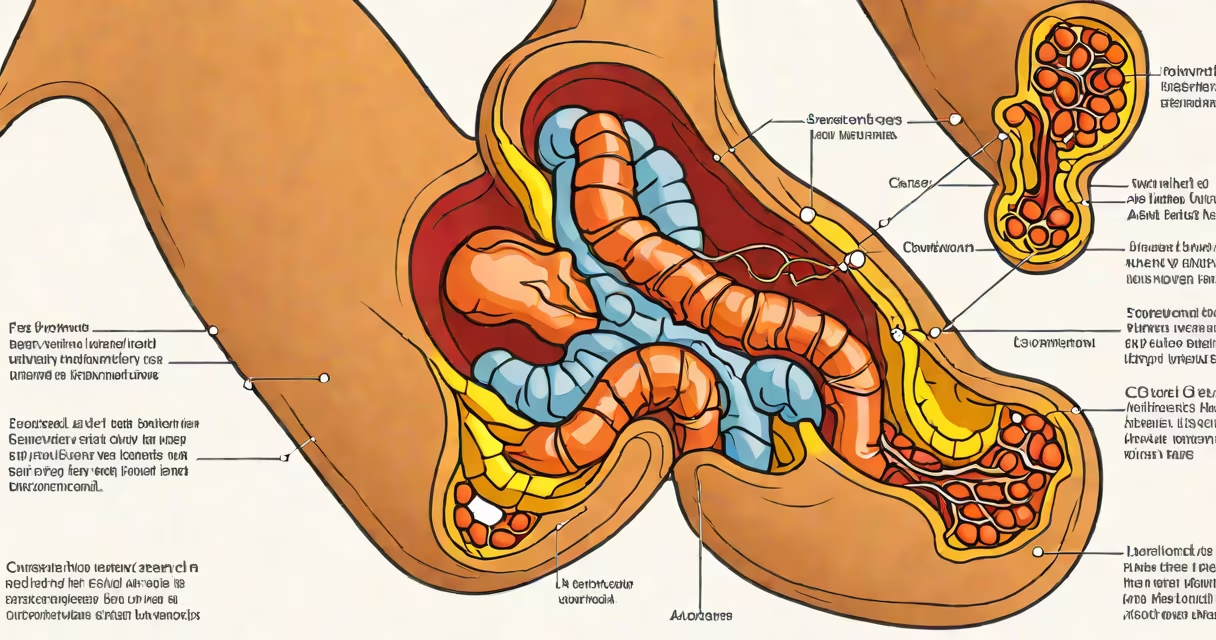
Appendix cancer is a rare malignancy that arises from the epithelial cells lining the appendix, typically detected during routine abdominal surgery or when symptoms like bloating, pain, or bowel changes appear. It accounts for less than 1% of all gastrointestinal cancers and includes several distinct subtypes with different behaviors and treatment paths.
Unlike colon or stomach cancer, appendix cancer rarely causes early warning signs. Most cases are found incidentally during procedures such as appendectomies for suspected appendicitis. The disease's rarity and subtle presentation make early diagnosis difficult, leading to delayed treatment in many patients.
According to the American Cancer Society, approximately 1,000 new cases of appendix cancer are diagnosed annually in the United States. This low incidence rate contributes to limited public awareness and frequent misdiagnosis as other conditions, including ovarian or colorectal cancer.
How Appendix Cancer Develops and Spreads
The appendix is a small, finger-shaped pouch attached to the large intestine near the junction with the small intestine. Its function remains unclear, but it contains specialized immune tissue. When abnormal cells grow uncontrollably in its lining, they can form tumors that may remain localized or spread to the peritoneum-the membrane lining the abdominal cavity.
Some forms of appendix cancer release mucin, a gel-like substance that accumulates in the abdomen. This condition, known as pseudomyxoma peritonei (PMP), can cause severe abdominal swelling and organ compression. PMP develops slowly over years and may go undetected until symptoms worsen.
A 2021 study published in *The Lancet Oncology* found that patients with PMP had a median survival of 10.2 years after diagnosis when treated with cytoreductive surgery and hyperthermic intraperitoneal chemotherapy (HIPEC). This highlights the importance of accurate diagnosis and timely intervention.
Types of Appendix Cancer and Their Differences
Appendix cancer is not a single disease. It encompasses several histological subtypes, each with unique origins, growth patterns, and outcomes. The most common types include:
| Type | Origin | Behavior | Treatment Approach |
|---|---|---|---|
| Carcinoid tumor | Neuroendocrine cells | Slow-growing; often benign if small | Surgery; rarely requires chemo |
| Pseudomyxoma peritonei (PMP) | Mucinous epithelium | Aggressive; spreads via mucin | Cytoreductive surgery + HIPEC |
| Adenocarcinoma | Glandular epithelium | Varies; can resemble colorectal cancer | Surgery, sometimes chemotherapy |
Carcinoid tumors arise from neuroendocrine cells and are the most common subtype, making up about 60% of cases. They tend to grow slowly and have a favorable prognosis if confined to the appendix. However, if they spread to lymph nodes or liver, survival rates drop.
PMP is less common but more challenging. It results from a low-grade mucinous tumor that leaks mucus into the peritoneal cavity. Over time, this fluid builds up, causing abdominal distension and potentially life-threatening complications. Unlike typical cancers, PMP does not metastasize through blood vessels but spreads locally through the abdominal space.
Adenocarcinomas are the most aggressive form. They resemble colorectal adenocarcinoma under the microscope and may respond to similar chemotherapy regimens. However, their behavior in the appendix differs due to anatomical constraints and local microenvironment factors.
Common Misconceptions and Diagnostic Challenges
Many people assume that any abdominal pain or bloating signals appendicitis. When a surgeon removes the appendix during an emergency procedure, the pathology report may reveal cancer. This often comes as a surprise to patients who had no prior symptoms.
One major confusion lies between appendix cancer and ovarian cancer. PMP, in particular, mimics advanced ovarian cancer clinically-abdominal swelling, ascites, and elevated CA-125 levels. A 2019 study in *Gynecologic Oncology* showed that 22% of women initially diagnosed with ovarian cancer actually had PMP originating in the appendix.
Another misconception is that all appendix cancers are treatable with standard chemotherapy. In reality, only certain subtypes-like high-grade adenocarcinoma-respond to systemic drugs. Carcinoid tumors and PMP do not benefit from traditional chemotherapy, making treatment selection critical.
I once observed a patient with persistent bloating and weight loss. CT scans showed extensive abdominal fluid and nodules. Initial suspicion was ovarian cancer. After exploratory surgery, the tumor was traced to the appendix. Pathology confirmed PMP. The patient underwent HIPEC and remained disease-free for five years. This case underscores how easily the origin can be missed without targeted imaging and surgical evaluation.
Why Early Detection Matters
Because appendix cancer grows slowly and often lacks symptoms, early detection relies heavily on incidental findings. Routine imaging for unrelated issues-such as a CT scan for back pain-can uncover a mass in the appendix. A 2020 review in *Annals of Surgical Oncology* reported that 35% of appendix cancers were diagnosed during surgeries performed for non-cancerous reasons.
When caught early, especially in localized carcinoid tumors, 5-year survival exceeds 90%. For PMP, survival improves dramatically when surgery removes all visible disease. The goal is complete cytoreduction, meaning no residual tumor larger than 2.5 mm.
Patients should not wait for symptoms. If imaging shows a mass in the right lower quadrant, even without pain, further evaluation is needed. A gastroenterologist or surgical oncologist should assess the lesion using specialized protocols, including PET-CT and biopsy when safe.
For those concerned about risk, a family history of multiple endocrine neoplasia type 1 (MEN1) increases likelihood of carcinoid tumors. Genetic testing may be advised in such cases.
Final Thoughts
What is appendix cancer? It is a rare group of malignancies originating in the appendix with diverse subtypes, behaviors, and outcomes. Accurate classification determines treatment and survival. Misdiagnosis is common, especially with PMP and carcinoid tumors, which mimic more familiar cancers.