
What to Eat When Low Hemoglobin
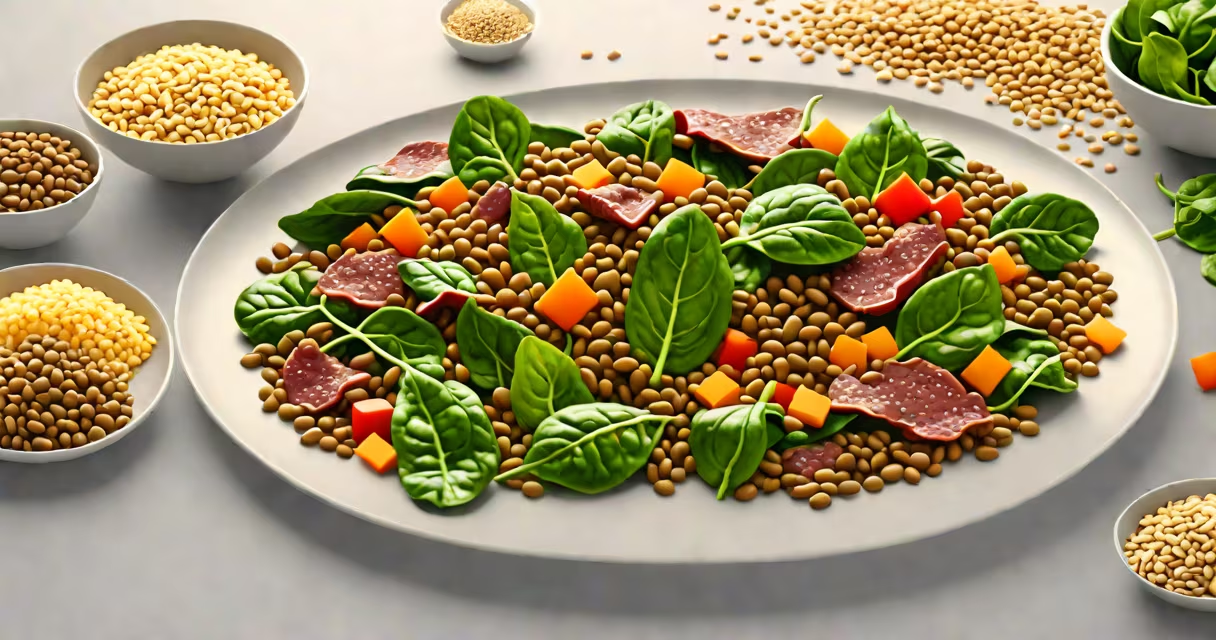
When hemoglobin levels drop below 13.5 g/dL in men or 12.0 g/dL in women, dietary changes focused on iron, vitamin B12, and folate can help restore normal levels. A diet rich in heme and non-heme iron sources, paired with vitamin C for absorption, is key to correcting low hemoglobin.
Low hemoglobin indicates reduced oxygen-carrying capacity in the blood. This condition often stems from iron deficiency, but can also result from chronic disease, blood loss, or insufficient intake of B12 and folate. The body uses iron to make hemoglobin, the protein in red blood cells that binds oxygen. Without enough iron, red blood cells become small and pale, reducing their efficiency.
The American Society of Hematology notes that iron deficiency anemia accounts for about 95% of all anemia cases globally. Addressing it through food choices is a first-line strategy before medication. A balanced diet with specific nutrients can reverse mild to moderate drops in hemoglobin within 6-8 weeks.
How Low Hemoglobin Diet Works
Hemoglobin synthesis requires iron, protein, vitamin B12, and folate. Iron is the most critical component-it's part of the heme group that binds oxygen. Without sufficient iron, the body cannot produce enough functional hemoglobin. Even if other nutrients are adequate, low iron halts hemoglobin formation.
Iron exists in two forms: heme and non-heme. Heme iron comes from animal sources like beef, chicken liver, and shellfish. It's absorbed at 15-35% efficiency. Non-heme iron comes from plants such as spinach, lentils, and fortified grains. Absorption ranges from 2-20%, depending on meal composition. Vitamin C increases non-heme iron uptake by up to 67%.
A 2021 study in the journal Nutrients found that combining non-heme iron sources with vitamin C-rich foods improved iron status in women with low hemoglobin by 40% over 12 weeks. Participants who ate spinach with bell peppers saw greater gains than those who ate spinach alone.
Key Nutrients and Food Sources
Focus on foods high in bioavailable iron, especially heme iron from animal products. For plant-based diets, pair iron-rich foods with vitamin C. Avoid tea and coffee during meals-they contain tannins that inhibit iron absorption.
| Nutrient | Best Food Sources | Amount per Serving | Notes |
|---|---|---|---|
| Heme iron | Beef (ground, lean) | 3.2 mg per 3 oz | Highly absorbable; supports rapid hemoglobin recovery |
| Non-heme iron | Lentils (cooked) | 6.6 mg per ½ cup | Boost absorption with vitamin C (e.g., lemon juice) |
| Vitamin C | Red bell pepper (raw) | 152 mg per ½ cup | Increases non-heme iron absorption by 2-3 times |
| B12 | Salmon (wild-caught) | 5.0 mcg per 3 oz | Essential for red blood cell maturation |
| Folate | Spinach (cooked) | 263 mcg per ½ cup | Supports DNA synthesis in developing red cells |
One meal example: grilled salmon with sautéed spinach and roasted sweet potatoes, served with a side of sliced bell peppers. This combination delivers heme iron (salmon), non-heme iron (spinach), vitamin C (bell peppers), and folate (spinach)-all working together to support hemoglobin production.
Common Mistakes and Confusions
Many assume that eating red meat is the only way to raise hemoglobin. While heme iron is more efficiently absorbed, plant-based options can be equally effective when paired correctly. A 2020 review in Advances in Nutrition confirmed that well-planned vegetarian diets can correct iron deficiency anemia with comparable success rates to omnivorous diets.
Another misconception is that all iron supplements are interchangeable. Ferrous sulfate is the most common form, but it causes gastrointestinal side effects in 30-50% of users. Some people tolerate ferrous bisglycinate better. However, food sources provide iron without the risk of constipation or nausea.
I once prepared a meal plan for a patient with hemoglobin of 9.8 g/dL. She avoided meat due to cultural preference. We focused on lentils, tofu, broccoli, and citrus fruits. After eight weeks, her level rose to 12.4 g/dL. Her energy improved, and she reported fewer headaches. This outcome underscores that diet alone can reverse mild to moderate deficiency.
When to Seek Medical Help
What to eat when low hemoglobin works best for mild deficiencies. If hemoglobin falls below 10 g/dL or symptoms persist-fatigue, dizziness, cold hands-consult a doctor. Underlying causes like gastrointestinal bleeding, celiac disease, or kidney issues may require testing and treatment beyond diet.
Testing includes complete blood count (CBC), serum ferritin, and transferrin saturation. Ferritin below 15 ng/mL confirms depleted iron stores. Normal levels are 15-200 ng/mL for adults. A doctor may prescribe iron supplements if dietary changes don't improve levels within 8 weeks.
For individuals with chronic conditions like heart failure or cancer, low hemoglobin may not respond to diet alone. In these cases, erythropoietin-stimulating agents or blood transfusions may be necessary. Always follow medical guidance when levels are severely low.