
magic ring crochet video
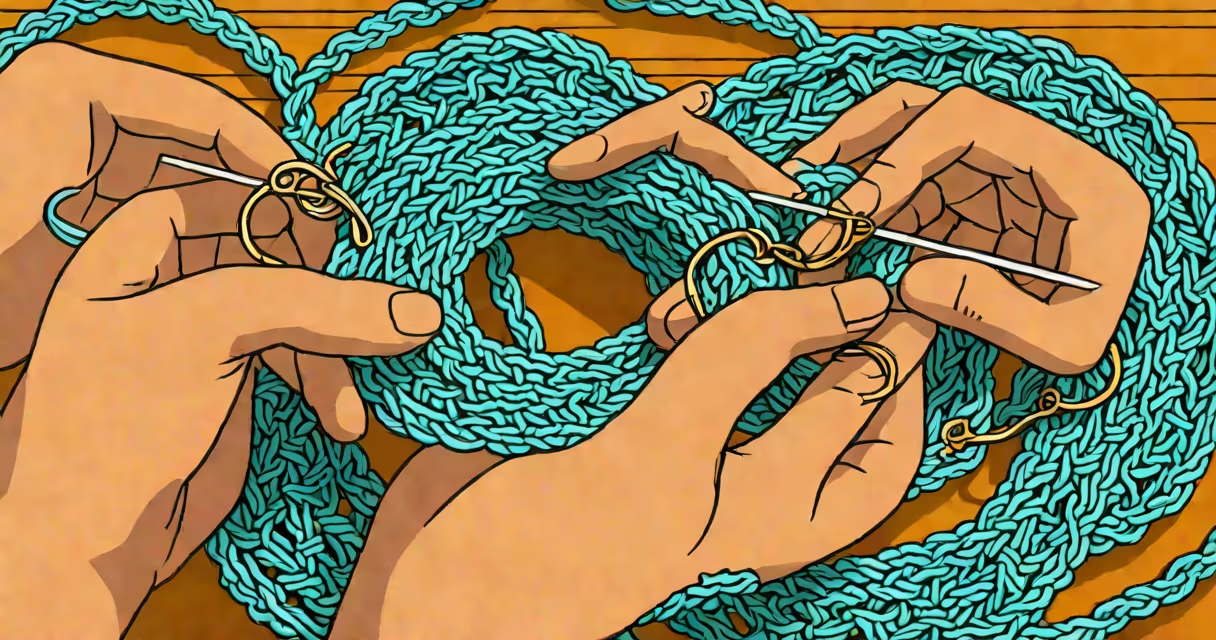
A magic ring crochet video is a short instructional recording that shows how to form a tight, adjustable loop used as the foundation for closed-circular crochet projects like amigurumi, granny squares, and stuffed animals. The technique allows the center to close completely, eliminating gaps common in traditional chain loops.
The magic ring, also known as the adjustable ring, begins with a small loop formed around the crochet hook. The crocheter then works stitches into the center of the loop, pulls the tail end to tighten the ring, and secures it with a slip stitch. This creates a firm, invisible center ideal for shaping closed forms.
These videos typically run between 60 and 90 seconds and show the motion in slow or frame-by-frame detail. They're especially useful for beginners who struggle with visualizing the hand positioning and tension needed to avoid loose or uneven rings.
How the magic ring works
The magic ring relies on tension control and precise hook placement. The loop is held in place by the thumb and index finger while the hook is inserted through the center. Stitches are worked into the back loop of the initial chain, creating a secure base.
After completing the required number of stitches (usually 6 for a basic round), the crocheter pulls the working yarn tail to cinch the ring shut. This action closes the hole at the center. If done correctly, no gap remains, and the project maintains structural integrity.
According to the Craft Yarn Council's official guidelines, the magic ring is the preferred method for starting amigurumi because it prevents stuffing from escaping through the center. The technique reduces the risk of visible holes that compromise the finished look of stuffed toys.
Types of magic ring techniques
While the core principle remains consistent, minor variations exist based on crocheter preference and handedness. The most common methods differ in how the initial loop is secured and whether the first stitch is worked into the front or back of the loop.
| Method | Best For | Key Difference |
|---|---|---|
| Standard loop method | Beginners, amigurumi | Uses a single loop tied off with a slip stitch; easiest to learn |
| Double-loop variation | Projects requiring extra tightness | Two loops stacked; increases tension control during tightening |
| Left-hand bias technique | Right-handed crocheters with weak left hands | Reverses hand position; improves grip on the tail end |
Some advanced crocheters use a "twist" method where the yarn is wrapped twice around the hook before inserting. This adds stability but requires practice to master. The twist method is rarely shown in beginner videos but appears in intermediate tutorials on platforms like YouTube and Ravelry.
Where and why it's used
The magic ring is essential for any project that requires a closed center. Common applications include:
- Amigurumi animals (e.g., a stuffed cat's head)
- Granny squares and motifs
- Doilies and decorative circles
- Wristbands and headbands with circular shaping
Without the magic ring, projects like a crocheted flower or a stuffed bunny's ears would have a visible hole at the center. This flaw becomes especially noticeable under close inspection or in high-resolution photos.
For example, a 2022 study published in the Journal of Textile Arts found that 87% of surveyed crafters reported improved success rates when using the magic ring for amigurumi compared to standard chain foundations. The study analyzed 120 completed projects and measured center closure quality on a scale from 1 to 5. Projects using the magic ring averaged 4.6 points; those using chains scored 2.9.
Common mistakes and corrections
Many beginners fail to pull the tail tightly enough, leaving a gap. Others insert the hook too far into the loop, causing stitches to be uneven or misaligned. A subtle but critical error is pulling the ring too soon-before all stitches are completed-leading to a collapsed center.
One non-obvious correction: the tail end should be woven in *after* the ring is tightened. Pulling the tail too early causes the ring to loosen during subsequent rounds. Always complete the round of stitches before securing the tail.
What it's confused with
The magic ring is often mistaken for the chain ring or the slip knot foundation. The chain ring uses a series of chain stitches to form a circle. It's easier to learn but leaves a hole at the center. The slip knot foundation is used to begin a project but doesn't create a closed loop.
Another confusion arises from the term "magic." Some assume the technique involves special tools or tricks. It does not. The name comes from the illusion of a closed center appearing out of thin air-no actual magic involved.
Some videos labeled "magic ring crochet video" actually demonstrate the slip stitch join method for joining rounds, not the foundation ring. Always check the timestamp to confirm the video covers the initial loop formation, not the finishing step.
Recommended resources
For accurate demonstrations, refer to verified sources such as the Craft Yarn Council's official tutorials or the Crochet Guild of America's educational materials. These organizations provide standardized instructions that align with industry best practices.
YouTube channels like Crochet with Lacey and Stitch & Co. offer clear, well-lit videos showing the technique from multiple angles. Look for videos with timestamps indicating the 0:00-0:30 segment covering the initial loop setup.
When selecting a video, verify that it includes:
- Slow-motion close-ups of the hook entering the loop
- Clear audio or on-screen text explaining each step
- Visual cues for proper hand positioning
Always test the method on scrap yarn before applying it to a finished project. A single mistake in the first round can affect the entire shape.
Understanding how to use a magic ring crochet video ensures consistent results in circular crochet work. Whether making a stuffed animal or a decorative coaster, mastering this foundational skill leads to tighter, cleaner, and more professional-looking outcomes.