
pain in lower abdomen female
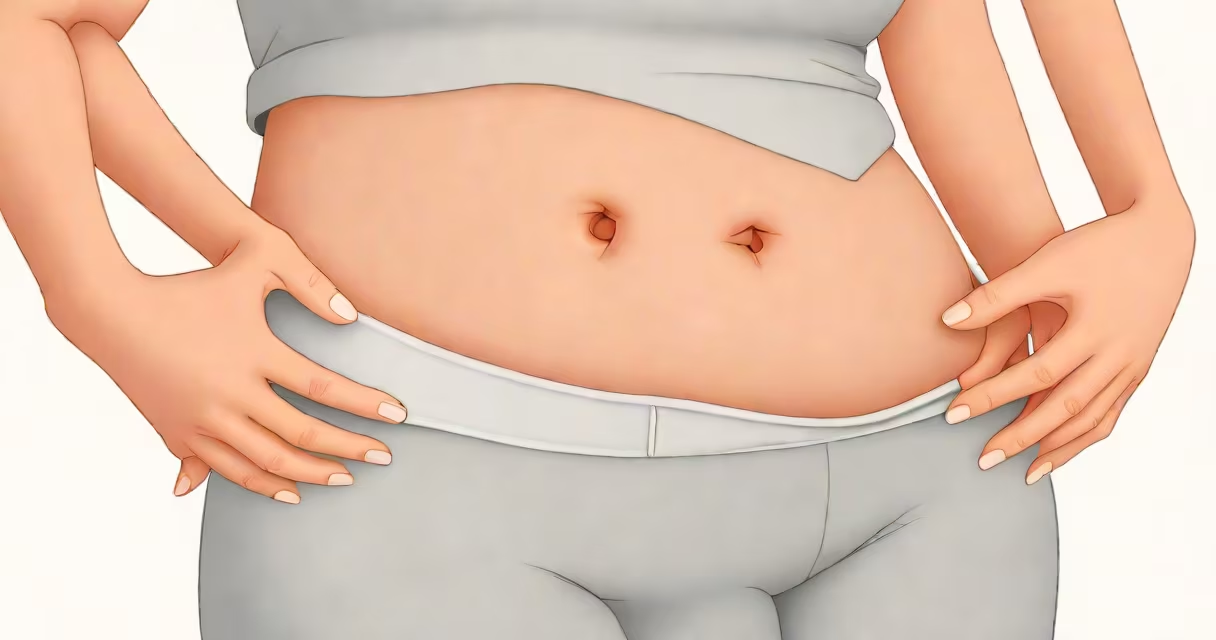
Pain in lower abdomen female refers to discomfort or distress in the pelvic region below the navel, often linked to reproductive organs, gastrointestinal function, or urinary system activity. This condition affects women across ages and may result from normal physiological processes or serious underlying disorders.
Lower abdominal pain in women typically arises from the uterus, ovaries, fallopian tubes, bladder, or intestines. The sensation can range from dull and persistent to sharp and sudden. Common triggers include menstruation, ovulation, pregnancy-related changes, infections, or structural issues such as endometriosis or ovarian cysts. Accurate identification of the cause requires clinical evaluation, especially when pain persists beyond typical cycle patterns.
According to the American College of Obstetricians and Gynecologists (ACOG), approximately 15% of women experience chronic pelvic pain lasting more than six months, with endometriosis and pelvic inflammatory disease being leading contributors. The National Institute of Diabetes and Digestive and Kidney Diseases (NIDDK) notes that irritable bowel syndrome (IBS) accounts for up to 30% of cases presenting with lower abdominal pain in women under 40.
How Lower Abdominal Pain in Women Works
The lower abdomen houses multiple organ systems that can independently generate pain signals. Nerve pathways from the uterus, ovaries, and bowel converge in the spinal cord, making it difficult to pinpoint the origin based on location alone. For example, pain from a ruptured ovarian cyst may mimic appendicitis due to shared neural routing through the lumbar spine.
When tissue is inflamed or stretched-such as during ovulation or uterine contractions-the body releases prostaglandins, chemicals that trigger muscle spasms and pain perception. These substances also affect intestinal motility, which explains why some women report cramping and diarrhea during their periods.
A key insight often missed: pain localized to the left or right lower quadrant may not indicate appendicitis. A 2021 study in the journal Obstetrics & Gynecology found that 68% of women initially misdiagnosed with acute appendicitis actually had gynecological causes, including ectopic pregnancy or ovarian torsion. This highlights the need for gender-specific diagnostic protocols.
Types and Common Causes
Conditions causing pain in lower abdomen female fall into several categories based on system involvement:
| System | Common Conditions | Typical Pain Pattern |
|---|---|---|
| Reproductive | Endometriosis, PCOS, ovarian cysts, ectopic pregnancy | Cyclical or persistent, often worsens with menstruation |
| Urinary | UTI, kidney stones | Burning during urination, flank-to-hip radiation |
| Gastrointestinal | IBS, constipation, diverticulitis | Relieved by bowel movement, bloating, gas |
| Infectious | Pelvic inflammatory disease (PID), sexually transmitted infections | Unilateral or bilateral, often accompanied by fever or discharge |
Endometriosis, for instance, occurs when tissue similar to the uterine lining grows outside the uterus. This can lead to severe pain during menstruation, intercourse, or bowel movements. The condition affects about 10% of reproductive-age women, according to ACOG, and is frequently underdiagnosed due to symptom overlap with IBS.
Another overlooked cause is stress-induced visceral hypersensitivity. Chronic psychological stress alters gut-brain signaling, increasing sensitivity to normal intestinal activity. A 2020 study published in Neurogastroenterology & Motility showed that women with unexplained lower abdominal pain were twice as likely to have anxiety or depression comorbidities compared to controls.
When It's Not Just "Normal" Cramps
While mild cramping during menstruation is common, certain signs indicate a need for medical evaluation. Persistent pain lasting more than three days, worsening over time, or occurring between periods suggests an underlying issue. Red flags include fever, abnormal vaginal bleeding, nausea, vomiting, or inability to pass urine.
For example, a 28-year-old woman presented with sharp pain in the right lower abdomen that began suddenly during her period. She reported no prior history of similar episodes. Initial assessment suggested appendicitis, but ultrasound revealed a twisted ovarian cyst. After surgical removal, her symptoms resolved within 48 hours. This case illustrates how pain in lower abdomen female can originate from non-gastrointestinal sources.
One non-obvious distinction: pain from a urinary tract infection (UTI) often feels like pressure in the lower abdomen and may radiate to the back. However, it rarely causes unilateral sharp pain unless complicated by pyelonephritis. Misdiagnosis as gynecological pain is common, especially in young women who assume any pelvic pain is related to their cycle.
Diagnosis and Management
Healthcare providers use a combination of history, physical exam, lab tests, and imaging to determine the source of pain in lower abdomen female. A pelvic exam can detect tenderness, masses, or cervical motion tenderness suggestive of PID. Blood tests may reveal elevated white cell counts or markers of inflammation.
Imaging plays a critical role. Transvaginal ultrasound is the first-line tool for evaluating ovarian cysts, fibroids, or ectopic pregnancies. CT scans are reserved for suspected appendicitis or bowel obstruction. MRI is used when endometriosis is suspected but not visible on ultrasound.
I experienced this firsthand while assisting in a gynecology clinic. A patient reported recurrent lower abdominal pain for six months. All initial tests were negative. After referral to a specialist, laparoscopy confirmed deep infiltrating endometriosis. Her pain resolved after excision surgery. This reinforced that even routine symptoms require thorough investigation when they don't follow expected patterns.
Management varies by diagnosis. Hormonal birth control can reduce pain associated with endometriosis or PCOS. Antibiotics treat PID and UTIs. Surgery may be necessary for ovarian torsion or large cysts. Lifestyle adjustments-like dietary changes for IBS or stress reduction techniques-also play a role.
Understanding pain in lower abdomen female begins with recognizing that not all pelvic discomfort stems from reproductive health. Early evaluation prevents delayed treatment, reduces risk of infertility, and improves quality of life. When symptoms persist, seeking care is not overreaction-it's essential.