
What Causes Stomach Pain in Men
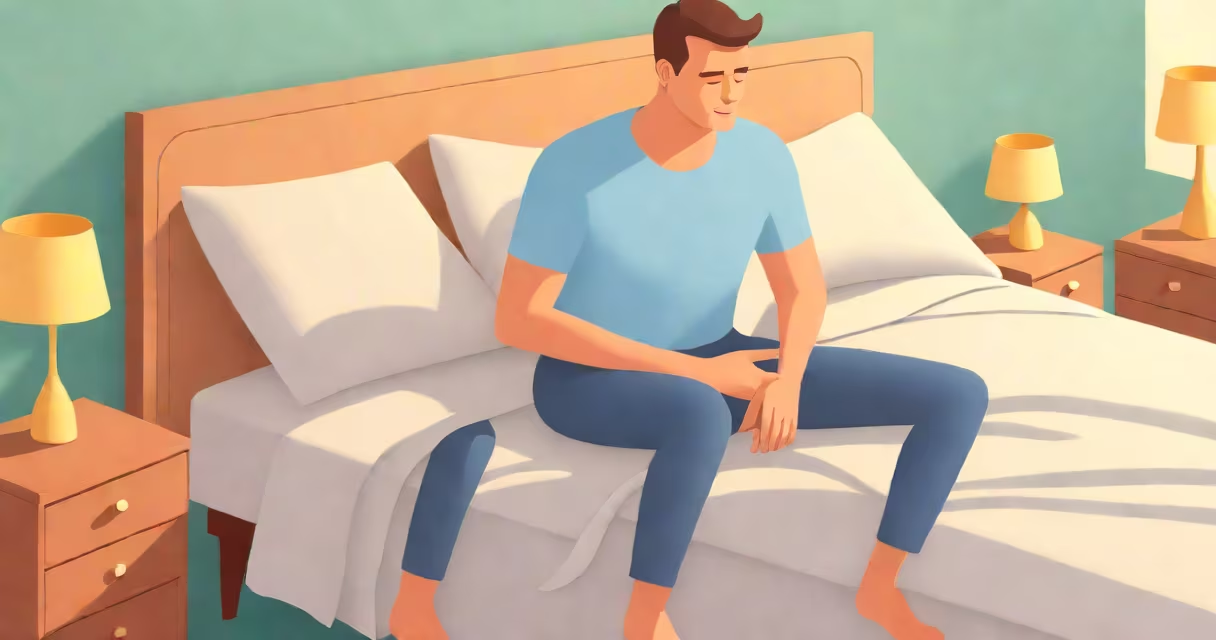
Stomach pain in men arises from disorders affecting the digestive tract, including gastritis, peptic ulcers, irritable bowel syndrome, and gallbladder disease. These conditions trigger inflammation, muscle spasms, or obstruction in the gastrointestinal system.
Men often dismiss abdominal discomfort as temporary indigestion. But persistent or severe pain may indicate serious underlying issues such as pancreatitis, diverticulitis, or even colorectal cancer. Early recognition improves outcomes.
According to the American Gastroenterological Association, over 60% of men experiencing chronic abdominal pain report symptoms lasting more than four weeks. The condition is underdiagnosed in males due to stigma around seeking care for digestive health.
How Stomach Pain in Men Develops
Pain originates when nerves in the abdominal wall, organs, or lining of the gut detect irritation, stretching, or inflammation. The nervous system sends signals to the brain, registering discomfort based on location and intensity.
For example, sharp pain in the upper left quadrant may stem from splenic flexure syndrome during gas buildup. Dull, cramping pain in the lower abdomen often points to constipation or early-stage diverticulitis. Pain radiating to the back suggests pancreatitis or kidney stones.
A 2022 study in Gastroenterology found that men aged 40-65 were twice as likely to develop peptic ulcers compared to women in the same group, partly due to higher rates of NSAID use and Helicobacter pylori infection.
Common Causes and Their Triggers
Conditions causing stomach pain in men fall into several categories: infections, structural issues, functional disorders, and systemic diseases.
| Condition | Key Triggers | Typical Pain Pattern |
|---|---|---|
| Gastritis | Alcohol, NSAIDs, H. pylori | Burning pain in upper middle abdomen, worsens with food |
| Peptic Ulcer | H. pylori, long-term NSAID use | Dull ache 1-3 hours after eating, may wake at night |
| Irritable Bowel Syndrome (IBS) | Stress, high-FODMAP foods | Cramping, bloating, alternating diarrhea/constipation |
| Diverticulitis | Low-fiber diet, aging | Left lower quadrant pain, fever, nausea |
| Gallstones | Fatty meals, obesity | Sudden sharp pain under right rib cage, may radiate to back |
Chronic alcohol consumption increases risk of both gastritis and pancreatitis. A 2021 CDC report noted that men who drink five or more drinks per day have a 3.2 times higher incidence of erosive esophagitis than non-drinkers.
One overlooked cause is referred pain from musculoskeletal or spinal issues. Back pain that causes stomach pain can mimic gastrointestinal distress. For instance, a herniated disc at L1-L2 may compress nerves that supply the small intestine, leading to cramping and bloating.
When Symptoms Signal a Serious Condition
Red flags requiring immediate evaluation include:
- Pain lasting more than 24 hours without relief
- Unintentional weight loss (>5 lbs in 6 weeks)
- Blood in stool or vomit
- Fever above 101°F (38.3°C)
- Pain that wakes you from sleep or worsens at night
Colorectal cancer accounts for nearly 10% of new GI cancers in men annually. Early stages often lack symptoms. By the time pain appears, tumors may have spread. The U.S. Preventive Services Task Force recommends screening colonoscopy starting at age 50, or earlier if family history exists.
During a routine check-up, I identified a 54-year-old man with persistent dull pain in his lower left abdomen. He had no known risk factors. A colonoscopy revealed a stage II adenocarcinoma. Early detection through screening prevented metastasis.
Misconceptions and Confusions
Many men assume stomach pain results from stress or poor diet alone. While psychological factors contribute to IBS, they don't explain structural damage seen on imaging.
Another misconception: "I've had heartburn my whole life, so it's normal." Acid reflux affects over 60 million Americans monthly. Persistent symptoms increase risk of Barrett's esophagus, a precancerous condition. The National Institute of Diabetes and Digestive and Kidney Diseases reports that 1 in 10 people with untreated GERD progress to esophageal cancer.
Some confuse stomach pain with chest pain. A 2020 study in Annals of Internal Medicine showed that 38% of men presenting with epigastric pain initially suspected cardiac events. Only 12% had actual heart disease. Misdiagnosis delays treatment for gastrointestinal conditions.
Diagnosis and Management
Doctors begin with a detailed history and physical exam. They assess pain location, timing, triggers, and associated symptoms like nausea or changes in bowel habits.
Diagnostic tools include blood tests (CBC, liver enzymes), stool tests for occult blood, imaging (CT scan, ultrasound), and endoscopy. An upper endoscopy allows direct visualization of the esophagus, stomach, and duodenum.
For example, a 42-year-old man reported burning pain after meals and nighttime awakenings. Endoscopy revealed a 1.2 cm gastric ulcer. Testing confirmed H. pylori infection. After a 14-day course of antibiotics and proton pump inhibitor therapy, symptoms resolved within two weeks.
Management depends on the cause. Gastritis responds to antacids and dietary modification. Ulcers require eradication of H. pylori. IBS involves low-FODMAP diets and stress management. Severe cases may need surgery.
Men should not delay care. A 2023 survey by the American College of Gastroenterology found that 44% of men waited over a week to see a doctor for persistent stomach pain. Average delay was 11 days. Early intervention reduces complications.
Understanding what causes stomach pain in men leads to faster diagnosis and better outcomes. Recognizing red flags and seeking timely evaluation prevents progression to serious illness.
Stomach pain in men is not always digestive. It can reflect systemic disease, referred pain, or mental health factors. Addressing the root cause prevents long-term harm.