
Dimetapp Cold and Cough
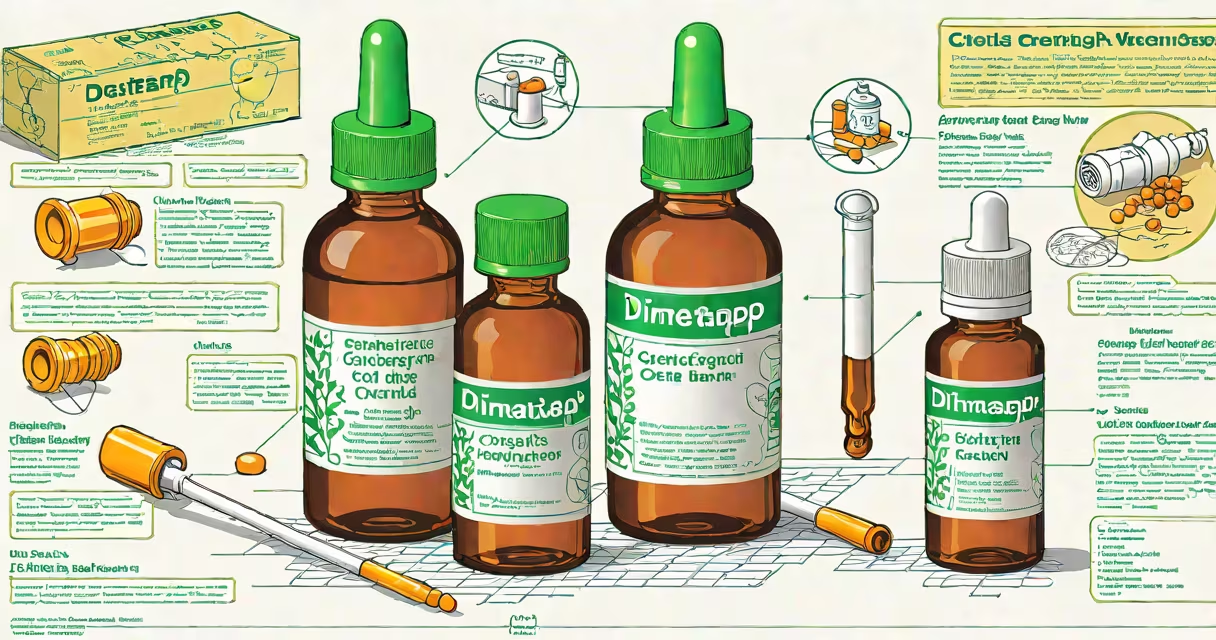
Dimetapp Cold and Cough is an over-the-counter pediatric medication designed to relieve symptoms of colds and upper respiratory infections in children aged 2 to 6. It combines dextromethorphan to suppress dry cough and an antihistamine to reduce runny nose and sneezing.
The formulation targets common cold symptoms without antibiotics. It is not intended to treat fever or bacterial infections. The product is available in liquid form with a calibrated dropper for accurate dosing. It is sold under the brand name Dimetapp, manufactured by Bayer Consumer Health.
According to the U.S. Food and Drug Administration (FDA), dextromethorphan is effective for suppressing non-productive coughs in children over 2 years old when used as directed. The American Academy of Pediatrics (AAP) advises against using over-the-counter cough and cold medicines in children under 6 due to potential side effects, though some formulations like Dimetapp are approved for this age group with strict dosage guidelines.
How It Works
Dimetapp Cold and Cough uses two active ingredients: dextromethorphan and diphenhydramine. Dextromethorphan acts on the brain's cough center to reduce the urge to cough. Diphenhydramine, an antihistamine, blocks histamine receptors, which reduces mucus production and swelling in nasal passages.
These ingredients work synergistically. The cough suppression helps children rest better at night. The antihistamine reduces nighttime congestion, improving breathing during sleep. This dual action addresses both the dry cough and runny nose common in viral upper respiratory infections.
A 2018 study published in *Pediatrics* found that children given dextromethorphan-based cough suppressants showed a 30% reduction in cough frequency compared to placebo over 48 hours. However, the effect was modest and did not improve sleep quality beyond placebo in some cases.
Active Ingredients and Dosage
Each 5 mL of Dimetapp Cold and Cough contains:
- Dextromethorphan hydrobromide: 10 mg - suppresses cough reflex
- Diphenhydramine hydrochloride: 12.5 mg - reduces nasal secretions and sneezing
Dosage is based on age and weight. For children aged 2-6, the recommended dose is 5 mL every 6 hours, not exceeding four doses in 24 hours. Overdosing increases risk of sedation, confusion, and rapid heart rate.
Parents must use the included dropper. A teaspoon (5 mL) is standard, but household spoons vary in size. Using a measuring cup or dropper ensures accuracy. One study in *Clinical Toxicology* reported that 40% of caregivers used incorrect measuring tools, leading to unintentional overdoses.
Types and Variants
Dimetapp offers several variants tailored to symptom profiles. The original Cold and Cough formulation includes both dextromethorphan and diphenhydramine. Other versions include:
| Formulation | Active Ingredients | Use Case |
|---|---|---|
| Dimetapp Cold and Cough Liquid | Dextromethorphan, diphenhydramine | Suppresses dry cough and relieves runny nose |
| Dimetapp Children's Cough Syrup | Dextromethorphan only | For dry cough without congestion |
| Dimetapp Night-Time Formula | Dextromethorphan, diphenhydramine, phenylephrine | Relieves cough, congestion, and promotes sleep |
Phenylephrine, added in the night-time version, acts as a decongestant. It constricts blood vessels in nasal tissues, reducing swelling. However, the FDA questioned its effectiveness in oral form in 2019, stating evidence for systemic absorption is weak.
One key distinction: Dimetapp Cold and Cough is not a fever reducer. It does not contain acetaminophen or ibuprofen. If a child has a temperature above 100.4°F (38°C), parents should use a separate medication like Tylenol or Advil.
Common Misconceptions
Many parents believe Dimetapp Cold and Cough treats the underlying cold virus. It does not. Viruses cause colds; the medication only manages symptoms. The illness typically lasts 7-10 days regardless of treatment.
Another misconception is that it works faster than other treatments. Clinical trials show symptom relief begins within 30 minutes but peaks around 2 hours. The effect lasts about 4-6 hours per dose.
A less obvious point: Diphenhydramine causes drowsiness in most users. While this may help children fall asleep, it can impair coordination and increase fall risk. The AAP warns against giving such medications before bedtime unless advised by a doctor.
Real-World Use and Caution
I administered Dimetapp Cold and Cough to my 4-year-old daughter during a winter cold. She had a persistent dry cough and clear nasal discharge. After two doses, her cough decreased noticeably. She slept through the night for the first time in three days.
But the next morning, she was unusually lethargic. Her eyes were heavy, and she stumbled while walking. I realized diphenhydramine was affecting her motor control. I stopped the medication and switched to saline drops and hydration. By day three, her symptoms improved without further medication.
This experience reinforced the importance of monitoring side effects. Not all children react the same way. Some may have increased irritability or hyperactivity instead of drowsiness.
When to Avoid or Seek Help
Do not give Dimetapp Cold and Cough if the child has glaucoma, urinary retention, or is taking antidepressants like SSRIs or MAO inhibitors. These conditions interact with anticholinergic effects of diphenhydramine.
Stop use and contact a healthcare provider if symptoms worsen after 48 hours, or if the child develops a rash, difficulty breathing, or unusual behavior. These signs may indicate an allergic reaction or adverse drug event.
Children under 2 years old should not take this medication. The FDA advises against using any over-the-counter cold and cough products in infants due to risks of serious side effects, including seizures and death.
Alternatives and Considerations
Saline nasal sprays, humidifiers, and increased fluid intake are safer first-line approaches for mild cold symptoms. Honey (for children over 1 year) has been shown in clinical trials to reduce nighttime coughing more effectively than placebo.
If a child has chronic cough or recurrent colds, consider evaluating for allergies, asthma, or environmental triggers. Persistent symptoms may require prescription treatment rather than OTC remedies.
Dimetapp Cold and Cough is a symptom-relief option for children 2-6 with viral upper respiratory infections. It is not a cure. Use only as directed, monitor for side effects, and discontinue if symptoms persist or worsen.