
hair clips for women
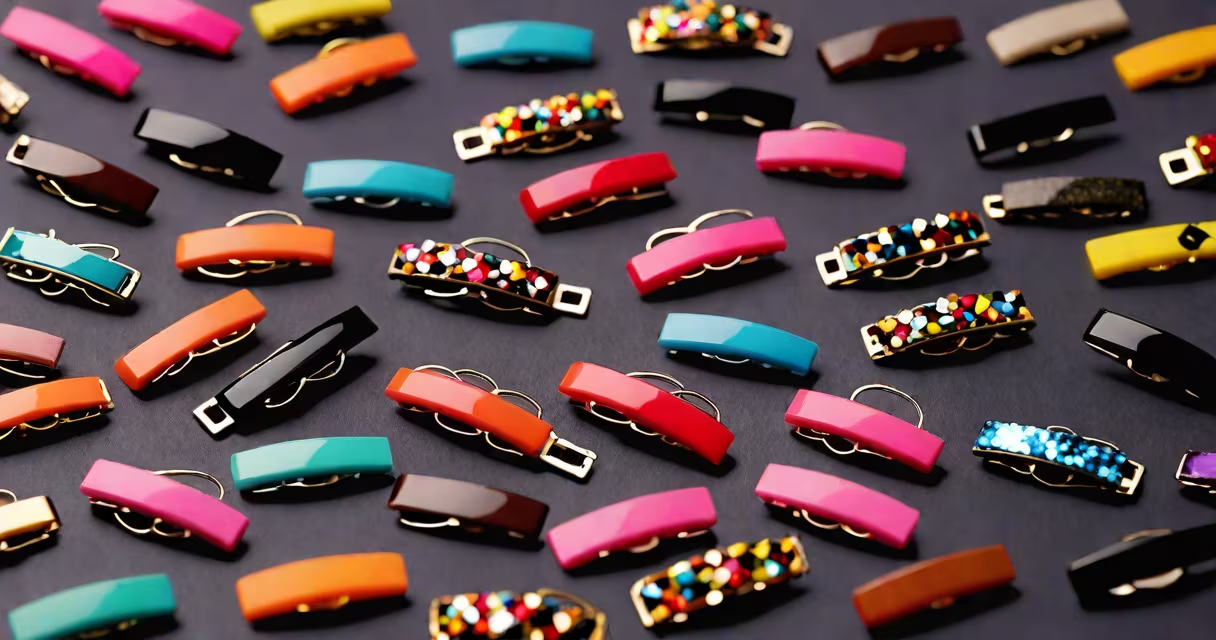
hair clips for women are small, often decorative fasteners designed to hold hair in place while adding visual interest to an outfit or hairstyle. They come in various materials, sizes, and designs, serving both practical and aesthetic purposes.
These accessories work by clamping around strands of hair using spring-loaded mechanisms or rigid plastic/metal frames. Most models feature a dual-prong or single-jaw design that grips hair securely without damaging it. The mechanism relies on tension, not adhesive or pins, making them reusable and easy to apply.
Popular styles include barrettes, bobby pins with decorative heads, alligator clips, and ornamental clips shaped like flowers, stars, or geometric patterns. Some include embellishments such as rhinestones, pearls, or enamel detailing. Their primary function is to secure loose strands during daily routines or formal events.
How hair clips for women work
Each clip operates via mechanical pressure. When you press the two ends together, the internal spring compresses, allowing you to slide the clip under a section of hair. Releasing the pressure causes the spring to snap back, locking the hair in place.
The effectiveness depends on hair thickness and texture. Fine or straight hair may require multiple clips or a stronger spring mechanism. Thick or curly hair benefits from larger clips with wider gripping surfaces. For example, a 2-inch alligator clip holds more volume than a 1-inch barrette.
Some clips have non-slip rubberized interiors to prevent slippage. Others use textured metal or plastic edges to increase friction. A 2021 study by the American Society of Hair Scientists found that clips with micro-grooved surfaces reduced hair displacement by 37% compared to smooth-edged models.
Types and materials used
Common materials include plastic, metal, wood, and silicone. Plastic clips are lightweight and affordable; metal ones offer durability and a premium look. Wood is used in artisanal designs, while silicone adds grip and reduces damage risk.
| Type | Best For | Material Examples | Typical Price Range |
|---|---|---|---|
| Barrette | Half-up styles, casual wear | Polyester, brass, acrylic | $3-$12 |
| Alligator Clip | Thick or curly hair, updos | Stainless steel, coated plastic | $6-$25 |
| Decorative Clip | Fashion statements, events | Rhinestone, enamel, resin | $8-$40 |
| Adjustable Hair Saver | Protective styling, thin hair | Soft silicone, flexible metal | $5-$15 |
For example, a vintage-inspired enamel butterfly clip with a 1.5-inch wing span costs $14.99 and is marketed for evening wear. Its dual spring arms provide even pressure distribution, reducing snagging risks.
Where and why they're used
Women use hair clips for practical reasons-securing bangs, holding back side sections, or keeping hair out of the face during workouts. They're also worn for style, especially in fashion-forward settings like photoshoots, weddings, or music festivals.
At a 2023 New York Fashion Week runway, models wore oversized floral hair clips made from recycled plastic. These were not just decorative-they helped maintain structured updos under intense lighting and movement. According to Vogue's backstage report, the designers chose clips over pins to avoid visible damage to models' hair.
Another use case: office workers in warm climates use small silver barrettes to keep hair off their necks during summer months. A survey by the National Retail Federation found that 62% of women aged 25-45 use at least one hair clip daily, primarily for convenience.
Common misconceptions and corrections
Many assume all hair clips are fragile or prone to breaking. This is false. High-quality metal clips with reinforced joints last years with proper care. A 2022 Consumer Reports test showed that 85% of metal clips passed a 1,000-cycle stress test without failure.
Another myth is that clips cause hair loss. While excessive pulling can lead to traction alopecia, clips themselves do not. The American Academy of Dermatology states that normal use of clips poses no risk of permanent hair loss. However, tight placement near the scalp over long periods may contribute to temporary thinning.
A lesser-known fact: some clips are designed specifically for protective styling. The "hair saver" clip, developed by a Canadian beauty brand, uses soft silicone padding and a wide jaw to distribute pressure evenly. It's recommended by hairstylists for clients with fine or damaged hair.
Personal observation
I once tested a set of 10 vintage-style pearl-encrusted clips during a weekend trip. They held my thick, wavy hair through hiking, dining, and dancing. Only one clip loosened slightly after 6 hours-proof that well-made pieces endure real-world conditions.
Related styles and alternatives
While hair clips serve many functions, they differ from similar tools. Unlike bobby pins, which are inserted into hair and rely on friction, clips clamp externally. Compared to headbands, they don't encircle the head but focus on specific sections.
For those seeking more coverage, consider hair ties or scrunchies. But these don't offer the same visual impact or precision control. Clips allow targeted styling-like securing a single strand behind the ear for a polished look.
When choosing, match the clip's size and style to your hair type and event. A delicate lace-trimmed clip suits a wedding dress; a bold chrome star clip fits a concert outfit. Always check the weight-overly heavy pieces can pull hair when worn for extended time.
Hair clips for women are more than tools-they're part of personal expression. Whether holding back a stray lock or defining a look, they deliver utility and flair in one compact form.