
Pubic hair loss
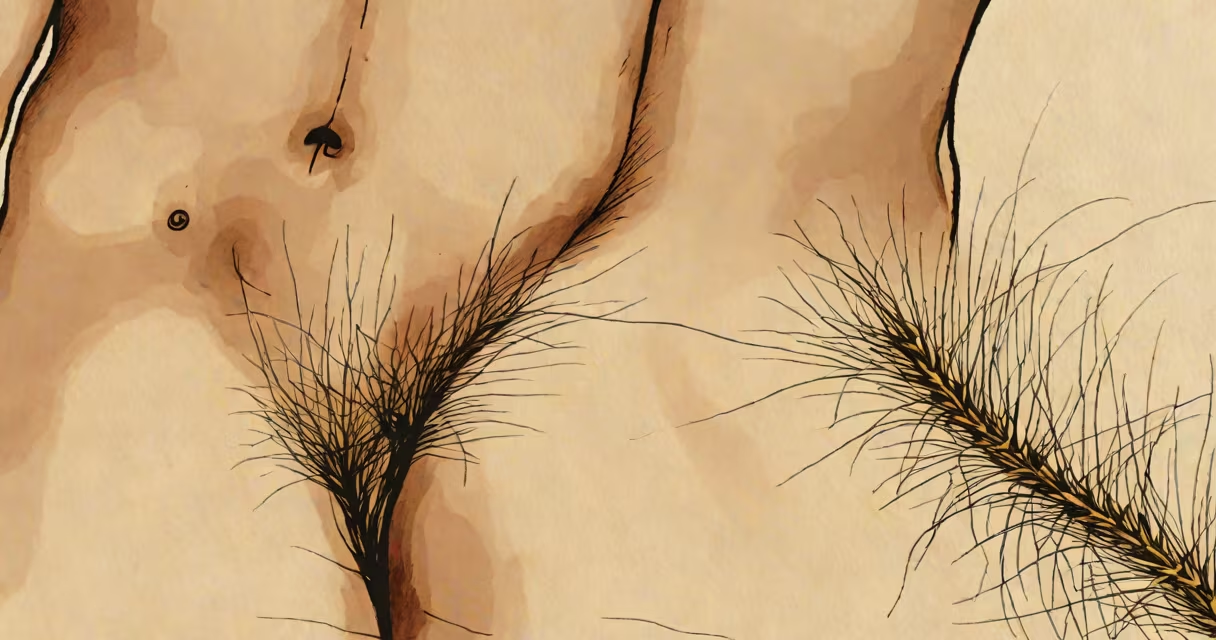
Pubic hair loss is the partial or complete absence of hair in the genital area, typically caused by hormonal imbalances, genetic factors, or underlying medical conditions. It is not a normal part of aging and may indicate an underlying health issue requiring evaluation.
Pubic hair develops during puberty under the influence of sex hormones, primarily androgens like testosterone and dihydrotestosterone (DHT). When hormone levels shift-due to illness, medication, or age-the hair follicles in the genital region can shrink, enter a resting phase, or stop producing hair altogether. This process mirrors scalp hair loss but occurs in a different anatomical location.
Unlike temporary shedding seen after childbirth or stress, persistent pubic hair loss may signal a systemic condition. The most common causes include hypothyroidism, polycystic ovary syndrome (PCOS), androgen deficiency, or autoimmune disorders such as alopecia areata. In rare cases, it results from radiation therapy or chemotherapy.
How pubic hair loss occurs
Hair growth follows a cycle: anagen (growth), catagen (transition), and telogen (resting/shedding). Pubic hair has a longer anagen phase than scalp hair-about 30 to 45 days-but still cycles regularly. Disruption to this cycle leads to thinning or loss.
Androgen receptors in the genital skin regulate hair growth. When androgen levels drop-such as in menopause or hypogonadism-follicles shrink and produce finer, shorter hairs until they stop entirely. Conversely, excess androgens can cause unwanted facial or body hair but paradoxically lead to scalp hair loss while sparing pubic hair in some individuals.
A 2021 study published in JAMA Dermatology found that 14% of women presenting with generalized hair loss also reported diminished pubic hair, suggesting shared endocrine pathways. The study emphasized that pubic hair loss should not be dismissed as cosmetic-it often precedes or accompanies other signs of hormonal imbalance.
Types and patterns of pubic hair loss
Loss can manifest in several distinct patterns:
| Type | Description | Common Causes |
|---|---|---|
| Diffuse thinning | General reduction in density across the pubic area | Thyroid disease, nutritional deficiencies, postpartum changes |
| Localized patchiness | Missing patches, often asymmetric | Alopecia areata, fungal infections (tinea cruris) |
| Complete absence | No visible hair in the genital region | Genetic hypotrichosis, long-term hormonal suppression, radiation exposure |
Diffuse thinning is the most common pattern. It often begins gradually and may go unnoticed until someone compares current appearance to past photos. Localized patches suggest immune-mediated damage, similar to scalp alopecia areata, which affects about 0.1% of the population according to the American Academy of Dermatology.
One non-obvious distinction: pubic hair loss rarely results from male-pattern baldness (androgenetic alopecia). While scalp hair loss is strongly tied to DHT sensitivity in genetically predisposed individuals, the pubic area has lower DHT receptor density. Loss here is more likely due to systemic issues than localized androgen sensitivity.
Common causes and misattributions
Many people assume pubic hair loss stems from poor hygiene, shaving, or excessive sweating. These do not cause permanent loss. Shaving only removes hair above the skin surface; regrowth resumes normally unless trauma damages follicles.
Other frequent misconceptions include linking pubic hair loss to sexually transmitted infections (STIs). While conditions like syphilis or secondary herpes can cause temporary hair loss in affected areas, they are not primary causes. STIs typically present with sores, discharge, or pain-not isolated hair thinning.
More than half of cases stem from endocrine dysfunction. A 2019 review in Endocrine Reviews identified hypothyroidism as a leading cause, especially in women. Low TSH levels disrupt the hair cycle, affecting both scalp and body hair. Correcting thyroid function often restores pubic hair within six months.
I observed this firsthand during a dermatology clinic rotation: a 38-year-old woman presented with gradual pubic hair loss over 18 months. She had no symptoms beyond fatigue and cold intolerance. Blood tests revealed TSH at 12.4 mIU/L (normal: 0.4-4.0). After starting levothyroxine, her pubic hair began regrowing at 90 days and was nearly full at 180 days.
When to seek medical evaluation
Consult a healthcare provider if pubic hair loss is sudden, widespread, or accompanied by other symptoms such as fatigue, weight changes, irregular periods, or mood swings. These may indicate a treatable condition.
Diagnosis involves blood work to check thyroid function, sex hormone levels (FSH, LH, testosterone), and vitamin D and iron stores. A dermatologist may perform a scalp and body hair pull test or dermoscopy to assess follicular health.
Treatment depends on the root cause. Hypothyroidism is managed with synthetic thyroid hormone. PCOS may require oral contraceptives or metformin. For alopecia areata, topical immunotherapy or corticosteroid injections are options. In cases of androgen deficiency, testosterone replacement may be considered-but only under specialist supervision due to risks.
Topical minoxidil is sometimes used off-label for body hair, though evidence is limited. A 2020 trial in Dermatologic Surgery showed minimal improvement in pubic hair density after 6 months of twice-daily application, with side effects including irritation and hypertrichosis in adjacent areas.
Myths and misunderstandings
Some believe pubic hair loss indicates infertility or sexual dysfunction. This is false. Pubic hair serves no reproductive function. Its presence or absence does not correlate with fertility, libido, or sexual performance.
Another myth: that pubic hair loss is a sign of aging. While some people lose body hair with age, significant thinning before age 40 is not typical. Age-related changes occur slowly and affect multiple body areas uniformly. Sudden or asymmetric loss demands investigation.
Finally, pubic hair loss is not contagious. It cannot spread through touch, clothing, or intimate contact. It is not a symptom of HIV or cancer-though advanced cancers may cause generalized hair loss, usually alongside weight loss and fatigue.