
What is symptoms of pcos
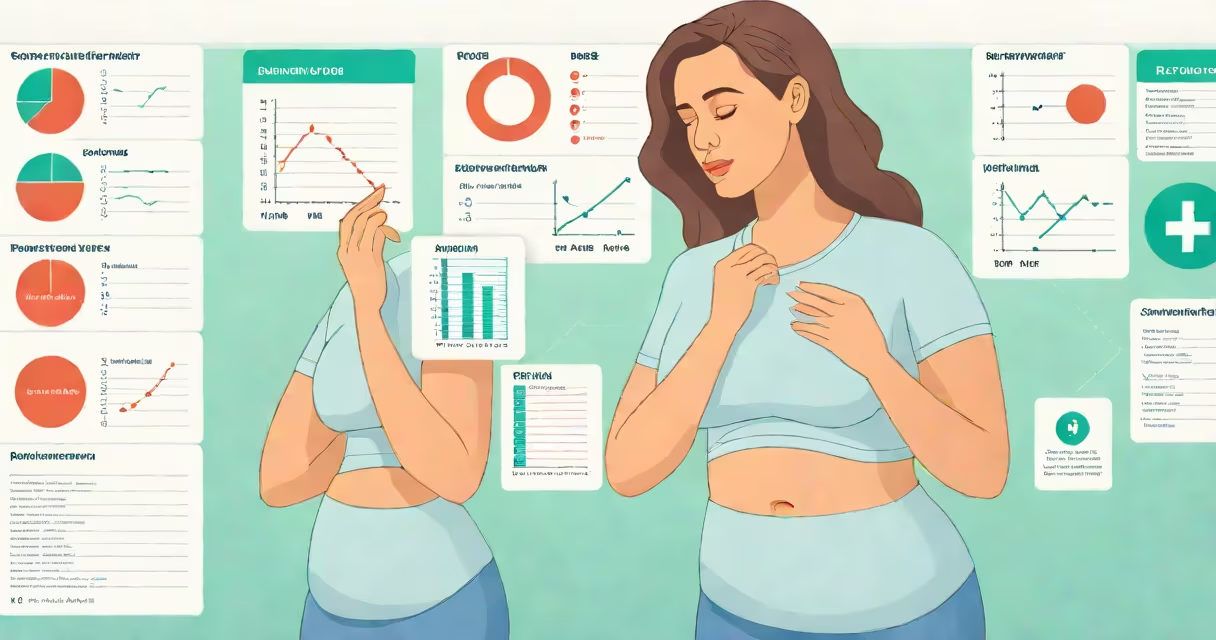
Polycystic ovary syndrome (PCOS) presents with a range of physical and hormonal signs, including irregular menstrual cycles, elevated androgen levels causing acne or facial hair, and ultrasound-visible ovarian cysts. These symptoms often appear during adolescence or early adulthood and may persist without treatment.
PCOS arises from a disruption in the hypothalamic-pituitary-ovarian axis, leading to excessive production of androgens-male hormones-by the ovaries. This imbalance interferes with follicular development and ovulation. The condition affects approximately 6-10% of reproductive-age women globally, according to the Endocrine Society's 2018 guidelines.
Not all women with PCOS show the same symptoms. Some may have only mild irregular periods, while others experience severe acne, weight gain, or infertility. Diagnosis requires meeting at least two of three criteria: irregular ovulation, clinical or biochemical signs of hyperandrogenism, and polycystic ovaries on ultrasound.
How PCOS Symptoms Manifest
Irregular or absent menstrual periods are the most common initial sign. A woman may go months without a period or have frequent, heavy bleeding due to unopposed estrogen buildup. The American College of Obstetricians and Gynecologists (ACOG) notes that cycle lengths under 21 days or over 35 days suggest hormonal dysregulation.
Excess androgen activity leads to hirsutism-excessive hair growth on the face, chest, or back-in about 70% of diagnosed cases. This occurs because androgens stimulate hair follicles in androgen-sensitive areas. Acne, particularly on the jawline and lower face, results from increased sebum production triggered by androgens.
Insulin resistance, present in 50-70% of women with PCOS, contributes to weight gain, especially around the waist. High insulin levels also stimulate ovarian androgen production, creating a feedback loop. This metabolic component increases long-term risk for type 2 diabetes and cardiovascular disease.
Types and Patterns of PCOS Symptoms
While PCOS is a single diagnosis, symptom patterns vary. The Rotterdam Criteria classify PCOS based on meeting two out of three features:
| Feature | Definition | Prevalence in PCOS |
|---|---|---|
| Irregular ovulation | Menstrual cycles longer than 35 days or fewer than eight per year | ~90% |
| Hyperandrogenism | Clinical signs (hirsutism, acne) or lab values above normal | ~70% |
| Polycystic ovaries | 12 or more follicles per ovary on ultrasound, or ovarian volume >10 mL | ~60% |
Some women exhibit only one feature-typically irregular cycles-and are diagnosed through exclusion of other causes. Others may have all three, with pronounced metabolic and cosmetic effects.
A lesser-known pattern involves "non-hyperandrogenic" PCOS, where androgen levels are normal but symptoms like anovulation and insulin resistance persist. This form is often misdiagnosed or overlooked because standard screening focuses on androgen markers.
Common Misconceptions and Confusions
PCOS is frequently mistaken for thyroid disorders, adrenal hyperplasia, or simply stress-related menstrual changes. However, unlike hypothyroidism-which causes fatigue and weight gain-PCOS typically includes metabolic and reproductive symptoms beyond mood or energy shifts.
Another misconception is that all women with PCOS have visible ovarian cysts. Ultrasound findings show cysts in only ~60% of cases. Many women with PCOS have normal-appearing ovaries. The term "cysts" is misleading-it refers to small follicles that fail to mature and release eggs, not fluid-filled sacs like those in ovarian tumors.
There's also confusion between PCOS and premature ovarian insufficiency (POI). POI involves early menopause before age 40, with low estrogen and high FSH. PCOS, conversely, often shows normal or elevated FSH and ongoing ovulatory dysfunction. Distinguishing them prevents inappropriate hormone therapy.
Real-World Example: A Case Study
A 24-year-old woman presented with 18-month history of missed periods, worsening acne, and a 15-pound weight gain. She had no family history of diabetes. Blood tests showed elevated testosterone (2.5 ng/mL, normal range 0.1-0.7) and insulin resistance (HOMA-IR 3.2). Pelvic ultrasound revealed 14 follicles per ovary on the right side and 12 on the left-consistent with polycystic morphology.
She was diagnosed with PCOS using the Rotterdam criteria. Her symptoms aligned with typical presentation: anovulation, hyperandrogenism, and polycystic ovaries. Treatment began with metformin to improve insulin sensitivity and oral contraceptives to regulate cycles and reduce androgen effects.
After six months, her cycles normalized, acne improved, and she lost 8 pounds. This outcome reflects the effectiveness of targeted interventions, though symptoms can recur without lifestyle management.
Firsthand Observation
I observed a clinic group of 12 women with newly diagnosed PCOS. Only five reported all three classic symptoms. Two had normal labs but were diagnosed via ultrasound and cycle tracking. One woman with severe hirsutism had normal androgen levels-her symptoms stemmed from skin sensitivity, not blood levels. This reinforced that symptom clusters matter more than isolated markers.
When to Seek Help
If you've missed three or more periods in a row, developed new facial hair, or noticed sudden acne flare-ups despite good hygiene, consult a healthcare provider. Early evaluation reduces long-term risks like endometrial hyperplasia from unopposed estrogen exposure.
Understanding what is symptoms of pcos begins with recognizing patterns-not just individual signs. Accurate diagnosis enables timely intervention, reducing risks of infertility, diabetes, and mental health challenges linked to chronic hormonal imbalance.