
What Is Genital Herpes Called
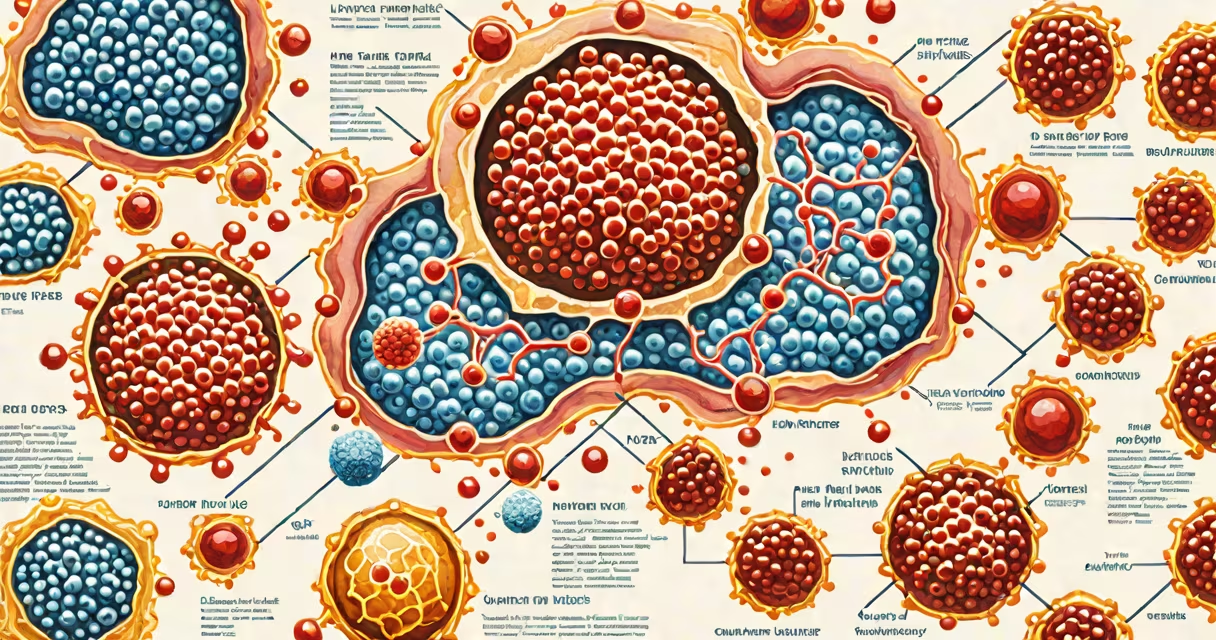
Genital herpes is medically known as herpes simplex virus type 2 (HSV-2), a sexually transmitted infection caused by a virus that establishes lifelong latency in nerve cells.
HSV-2 is one of two strains of the herpes simplex virus. The other, HSV-1, typically causes oral cold sores but can also cause genital infections through oral-genital contact. While both viruses can affect the genitals, HSV-2 is responsible for about 80% of new genital herpes cases, according to the Centers for Disease Control and Prevention (CDC).
Once contracted, HSV-2 remains dormant in the body's sensory nerves. Reactivation can occur due to stress, illness, or hormonal changes, leading to recurrent outbreaks. The virus spreads through direct skin-to-skin contact during sexual activity, even when no visible sores are present.
How Genital Herpes Works
The virus enters the body through mucous membranes or small breaks in the skin during sexual contact. It travels along nerve pathways to the dorsal root ganglia, where it lies inactive until triggered. During reactivation, viral particles travel back to the skin surface, causing lesions or sores.
Transmission occurs most frequently during symptomatic outbreaks, but studies show that asymptomatic shedding happens in up to 70% of infected individuals. This means people can spread the virus without knowing they have it.
A 2021 study published in Sexually Transmitted Infections found that nearly half of new genital herpes cases were diagnosed in people who had no prior history of symptoms, underscoring the importance of testing even in the absence of visible signs.
Types and Naming Conventions
Genital herpes is primarily caused by HSV-2, though HSV-1 accounts for 20-30% of new cases. The naming reflects the virus strain, not the location of the outbreak. A person can be infected with both types simultaneously.
| Virus Type | Typical Site of Infection | Common Transmission Route | Prevalence in Genital Cases |
|---|---|---|---|
| HSV-2 | Genitals, anus | Genital-to-genital or anal contact | ~80% |
| HSV-1 | Oral, genitals, anus | Oral-genital contact, kissing | ~20-30% |
Despite the name, HSV-1 is increasingly common in genital infections. The CDC reports that HSV-1 now causes more than one-third of new genital herpes cases in young adults, likely due to rising rates of oral sex.
Where and Why It's Used in Medical Context
Healthcare providers refer to genital herpes as HSV-2 to distinguish it from oral herpes (usually HSV-1). This distinction guides treatment decisions and patient counseling. Antiviral therapy, such as acyclovir, valacyclovir, or famciclovir, reduces outbreak frequency and transmission risk.
Diagnosis relies on PCR testing of lesion swabs or blood serology. IgG antibody tests can confirm past exposure, but results may take days. Rapid antigen tests exist but are less sensitive than PCR.
I've seen patients misinterpret a positive HSV-1 result as meaning they only have oral herpes. Clarifying that HSV-1 can cause genital infections changed their understanding of prevention and partner communication.
Common Confusions and Corrections
Many assume genital herpes only appears as painful blisters. In reality, symptoms vary widely. Some people report mild itching, burning, or urinary discomfort without visible sores. Others experience flu-like symptoms during first outbreaks.
Another misconception is that genital herpes always leads to frequent recurrences. Research shows that about 60% of people with HSV-2 have one or fewer outbreaks per year after the initial episode. Recurrence patterns differ between individuals.
Some confuse genital herpes with other STIs like chlamydia or gonorrhea. Unlike bacterial STIs, herpes cannot be cured. Treatment manages symptoms and reduces transmission, but the virus persists indefinitely in the nervous system.
Key Distinction: Genital Herpes vs. Oral Herpes
While both are caused by herpes simplex viruses, the clinical presentation and transmission routes differ. Oral herpes (typically HSV-1) presents as cold sores around the mouth. Genital herpes (mostly HSV-2) manifests as sores on the genitals or anus.
However, cross-infection is possible. The American Sexual Health Association notes that HSV-1 can be transmitted from mouth to genitals via oral sex, and vice versa. This makes consistent barrier use essential regardless of symptom status.
Real-World Example: Diagnosis and Management
A 24-year-old woman presented with a single episode of vulvar pain and a small ulcer. She reported no prior symptoms. A PCR test confirmed HSV-2. She was prescribed daily suppressive therapy with valacyclovir 500 mg once daily.
After six months, she reported no further outbreaks and reduced anxiety about transmission. Her partner tested negative for HSV-2, and they used condoms consistently. The CDC recommends suppressive therapy for individuals with frequent recurrences or to reduce transmission risk to uninfected partners.
Her case illustrates that early diagnosis and treatment improve quality of life and prevent spread. Many people live with HSV-2 without severe disruption when managed proactively.
Final Summary
Genital herpes is clinically termed herpes simplex virus type 2 (HSV-2), a chronic, incurable infection transmitted through sexual contact. It can remain dormant for years and reactivate unpredictably. Accurate diagnosis requires laboratory testing, not symptom-based assumptions.
Understanding the difference between HSV-1 and HSV-2 is critical. While HSV-2 is most often linked to genital outbreaks, HSV-1 increasingly causes them. Open discussion with healthcare providers and partners is essential for informed decision-making.