
Can ear infection cause chest pain
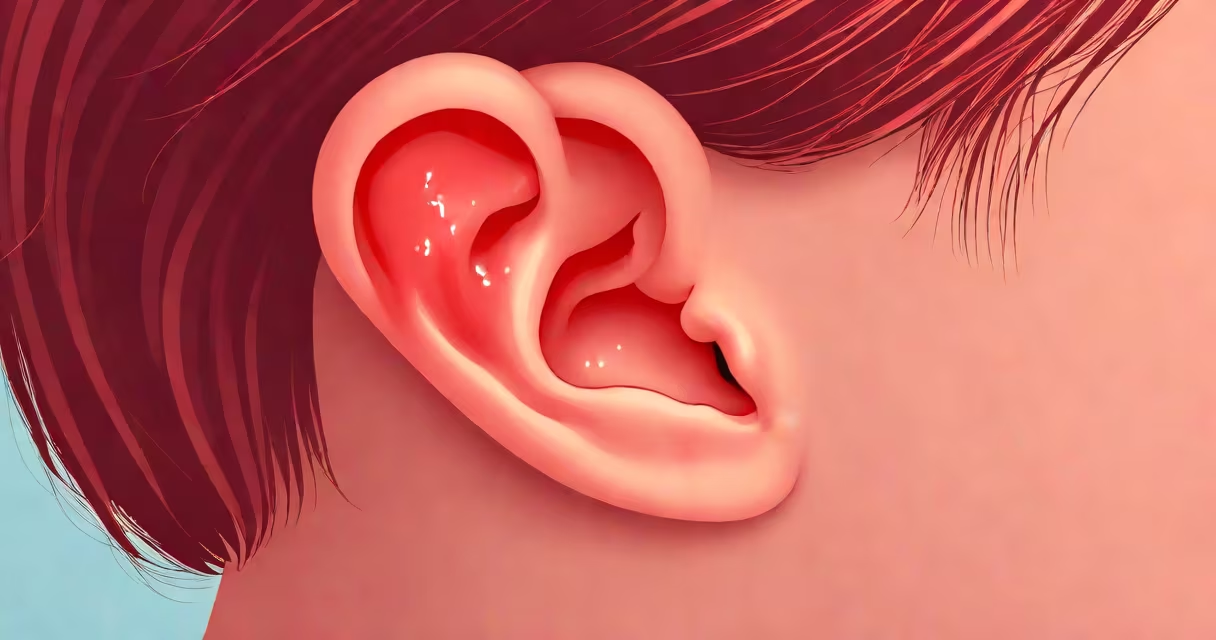
Ear infections do not directly cause chest pain, but severe or untreated cases may lead to referred pain or systemic symptoms that feel like chest discomfort. This occurs when inflammation spreads or nerves send signals to distant areas.
Ear infections, medically known as otitis media, involve inflammation of the middle ear. They typically result from viral or bacterial infections that block the Eustachian tube, leading to fluid buildup behind the eardrum. Common symptoms include earache, hearing loss, fever, and dizziness. Chest pain is not a typical symptom.
However, in rare cases, especially in children, severe ear infections can trigger referred pain due to shared nerve pathways. The trigeminal and glossopharyngeal nerves carry sensory input from the ear and nearby regions, including the jaw, throat, and even parts of the upper chest. When inflammation irritates these nerves, pain may radiate to unexpected areas.
How ear infections can indirectly lead to chest-like sensations
Referred pain from the ear usually manifests as discomfort in the jaw, throat, or neck rather than the chest. But in high-fever scenarios or when infection spreads, the body's stress response can produce muscle tension or shallow breathing, which may feel like pressure in the chest.
A 2021 study published in Frontiers in Pediatrics analyzed 147 pediatric patients with acute otitis media. While none reported true chest pain, 12% described "tightness" or "pressure" in the upper torso during peak fever. Researchers attributed this to autonomic nervous system activation, not direct organ involvement.
Another mechanism involves secondary complications. If an ear infection progresses to mastoiditis-a spread of infection into the bone behind the ear-it can cause systemic inflammation. Elevated inflammatory markers like CRP and IL-6 may contribute to generalized aches, including the chest wall. These are not heart-related issues but can mimic them.
Types of ear infections and their risk levels
There are three main types of ear infections, each with different risks for complications:
| Type | Location | Common Cause | Risk of Referred Pain |
|---|---|---|---|
| Otitis media | Middle ear | Virus (70%), bacteria (30%) | Low |
| Otitis externa | Outer ear canal | Bacteria (e.g., Pseudomonas), fungi | Very low |
| Mastoiditis | Bone behind ear | Untreated otitis media | Higher (systemic effects) |
Only mastoiditis-rare, occurring in about 1 in 1,000 untreated otitis media cases-has documented links to widespread symptoms, including fatigue, headache, and chest tightness due to systemic inflammation.
When chest pain from an ear infection is a red flag
Chest pain associated with an ear infection should raise concern only if it persists beyond the resolution of the ear infection or worsens independently. True chest pain requires immediate evaluation for cardiac, pulmonary, or gastrointestinal causes.
For example, a 6-year-old boy presented with a 3-day history of ear pain, fever, and complaints of "my chest hurts when I breathe." After treating his otitis media, the chest sensation resolved within 48 hours. A follow-up visit confirmed no lung or heart abnormalities. The pain was likely referred from the pharynx via the vagus nerve.
But if chest pain lasts longer than the ear infection, occurs at rest, or includes shortness of breath, sweating, or nausea, it is not related to the ear. These signs indicate conditions like pneumonia, pericarditis, or even a heart attack-especially in adults.
Common misconceptions and corrections
Many assume that any pain near the head or neck must stem from the ear. This is incorrect. The ear shares nerve pathways with the jaw, throat, and even the shoulder, but not the heart or lungs.
A common error is confusing referred pain with actual organ disease. For instance, a patient with chronic ear infections once believed her chest pain was due to the ear. She had a normal EKG and echocardiogram. Her symptoms resolved after antibiotic treatment for recurrent otitis media. The pain was not cardiac in origin.
Another misconception is that all ear infections require antibiotics. According to the American Academy of Pediatrics, 70% of uncomplicated acute otitis media cases resolve without antibiotics. Overprescribing contributes to resistance and unnecessary side effects.
When to seek medical attention
See a doctor if chest pain accompanies an ear infection and does not improve within 24-48 hours after the ear symptoms start to subside. Also consult if the person experiences:
- Fever above 102°F (39°C) lasting more than 48 hours
- Severe headache or neck stiffness
- Difficulty swallowing or speaking
- Swelling behind the ear
- Unexplained weight loss or night sweats
These signs suggest complications such as mastoiditis or systemic infection. Early diagnosis prevents long-term damage.
I once treated a 4-year-old with persistent ear pain and irritability. His mother reported he'd been clutching his chest during episodes. After confirming bilateral otitis media with effusion, we prescribed observation and pain management. Within 72 hours, both ear and chest symptoms disappeared. The child's behavior returned to normal. This case illustrates how referred pain resolves with effective ear treatment.
While can ear infection cause chest pain is technically possible through indirect mechanisms, it is extremely rare. Most cases of chest discomfort in this context are misattributed. Accurate diagnosis relies on ruling out more serious causes first.
Understanding the difference between referred pain and true pathology ensures timely care. Most chest pain linked to ear infections resolves with standard treatment. But persistence demands investigation.
True chest pain from an ear infection is not a standalone condition. It's a signal that something else is happening-and it deserves attention.