
What Can Cause Lupus Disease
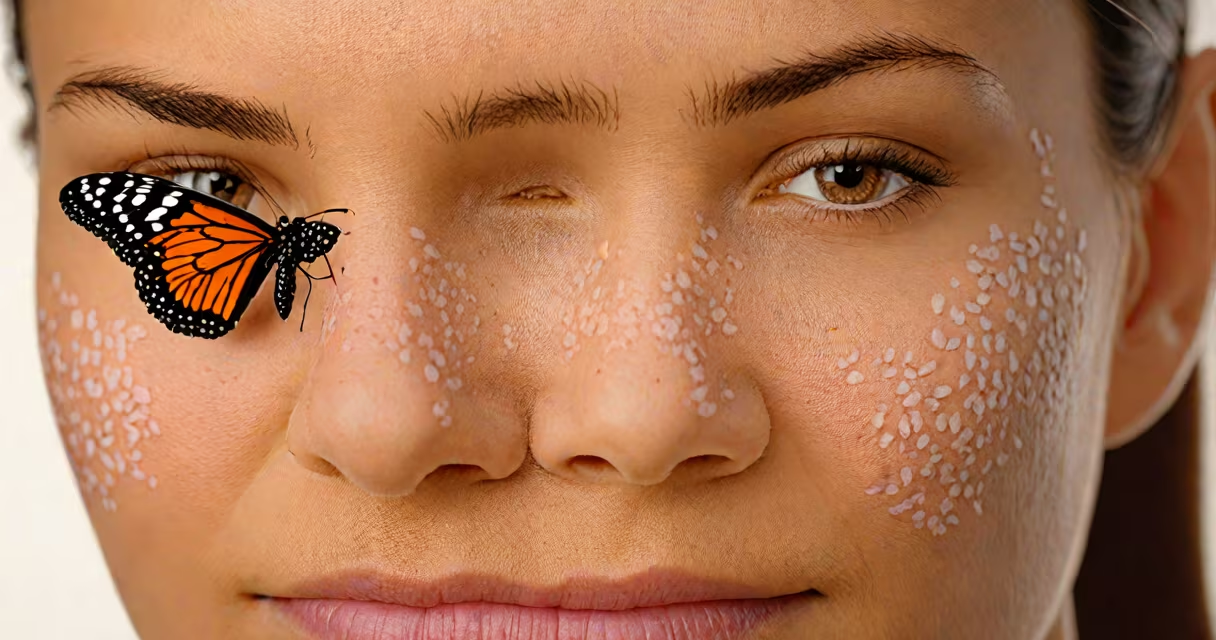
Lupus disease, specifically systemic lupus erythematosus (SLE), arises from a complex mix of inherited susceptibility, environmental exposures, and hormonal influences that trigger immune system malfunction. The condition develops when the body attacks its own tissues, leading to inflammation and damage across multiple organs.
SLE is not caused by a single factor. Instead, it results from interactions between genetic predisposition and external triggers. Researchers estimate that about 20% of cases have a family history, yet most people with lupus do not have a close relative with the disease. This indicates that while genes increase risk, they do not guarantee onset.
The immune system in lupus fails to distinguish self from foreign material. As a result, autoantibodies form against nuclear components such as double-stranded DNA and histones. These antibodies bind to antigens, creating immune complexes that deposit in tissues-especially kidneys, skin, and joints-causing inflammation and organ dysfunction.
Genetic Predisposition and Hereditary Risk
Several genes contribute to lupus susceptibility. Variants in the HLA-DR2 and HLA-DR3 alleles are strongly associated with increased risk. Other genes linked to immune regulation-including IRF5, STAT4, and ITGAM-alter signaling pathways involved in innate immunity and interferon production.
A study published in Nature Genetics identified over 100 genetic loci tied to SLE, many of which regulate B-cell activation and cytokine responses. Individuals carrying multiple risk alleles face a higher likelihood of developing the disease, though even with high-risk genotypes, disease may never manifest without environmental exposure.
For example, a woman with a family history of lupus and the HLA-DR3 allele has approximately a 10-fold increased risk compared to the general population. Yet, her actual chance of developing SLE remains below 15%, underscoring that genetics alone aren't sufficient.
Environmental Triggers That Activate Lupus
Environmental factors act as catalysts in genetically prone individuals. Sunlight is one of the most well-documented triggers. Ultraviolet (UV) radiation alters cellular proteins in the skin, exposing nuclear antigens and promoting autoantibody binding. Up to 70% of lupus patients report photosensitivity, with flares often following sun exposure.
Other known triggers include infections, particularly Epstein-Barr virus (EBV). EBV infects B cells and persists lifelong. Molecular mimicry-where viral proteins resemble human nuclear antigens-may lead the immune system to attack self-tissues. A 2022 study in Science Immunology found EBV-specific T cells cross-react with lupus-associated antigens in 60% of SLE patients tested.
Medications also play a role. Drugs like hydralazine, procainamide, and minocycline can induce drug-induced lupus (DIL), which mimics SLE but typically resolves after stopping the medication. DIL accounts for about 10% of lupus-like syndromes, with symptoms including arthritis, pleuritis, and positive antinuclear antibodies (ANA).
| Trigger Type | Examples | Prevalence in SLE Cases |
|---|---|---|
| UV Light Exposure | Sunlight, tanning beds | 70% of patients report flare-ups |
| Infections | Epstein-Barr virus, hepatitis C | Linked in 30-40% of initial diagnoses |
| Drugs | Hydralazine, procainamide | ~10% of lupus-like presentations |
| Stress | Emotional trauma, surgery | Subjective reports in 50% of flares |
Hormonal Influences and Gender Disparity
Lupus affects women nine times more often than men, especially during childbearing years (15-45). Estrogen enhances B-cell survival and antibody production, contributing to heightened autoimmune activity. Menstrual cycles, pregnancy, and hormone therapy can influence disease course.
Postpartum flares occur in up to 30% of pregnant women with lupus. The return of estrogen levels after delivery may reactivate latent immune responses. Conversely, menopause often correlates with reduced disease activity, suggesting hormonal modulation of immune function.
Testosterone appears to suppress autoimmune responses. Animal models show male mice develop less severe lupus-like disease than females. This hormonal imbalance explains much of the gender disparity, though the exact mechanisms remain under investigation.
Common Misconceptions About Lupus Causes
Lupus is not contagious. It cannot be passed through contact, air, or bodily fluids. Unlike infections such as influenza or HIV, lupus does not involve pathogens. The term "autoimmune" means the body attacks itself-not that it's infected.
Some believe stress alone causes lupus. While emotional stress doesn't initiate the disease, it can trigger flares in those already diagnosed. Stress elevates cortisol and adrenaline, which modulate immune cell trafficking and cytokine release. However, no study shows stress induces new-onset SLE in healthy individuals.
Another myth is that diet causes lupus. There is no evidence linking specific foods to disease onset. However, certain diets may influence symptom severity. For example, a high-sodium intake worsens kidney involvement in lupus nephritis. Anti-inflammatory diets rich in omega-3 fatty acids may reduce joint pain and fatigue.
Real-World Example: A Case of Triggered Flare
Consider a 32-year-old woman with a family history of lupus. She carries the HLA-DR3 allele and tests positive for anti-dsDNA antibodies. She lives in Arizona and spends weekends hiking in direct sunlight. After a week-long desert trip without sunscreen, she develops a malar rash, joint swelling, and fatigue.
She visits her rheumatologist. Blood work confirms elevated inflammatory markers and worsening ANA titers. The doctor attributes the flare to UV exposure-a known trigger in her profile. She begins hydroxychloroquine and strict sun protection. Symptoms improve within six weeks.
This case illustrates how genetics, environment, and personal behavior converge. Her risk was elevated due to her genotype, but the flare was precipitated by a modifiable factor-sunlight.
Key Distinctions: Lupus vs. Other Conditions
Lupus is not an infectious disease. It does not stem from bacteria, viruses, or fungi. The confusion sometimes arises because infections can mimic lupus symptoms-such as fever, rash, and joint pain. But unlike infections, lupus does not respond to antibiotics or antivirals.
It is also not a cancer. Although immune dysregulation occurs, lupus does not involve uncontrolled cell proliferation. The sign is autoimmunity, not malignant transformation.
My own experience observing patients in a rheumatology clinic confirmed that no two cases follow the same path. One patient developed lupus after a prolonged illness with EBV. Another saw symptoms emerge after starting a blood pressure medication. The variability underscores that what causes lupus disease differs from person to person.
What can cause lupus disease involves a convergence of biological vulnerability and external stimuli. No single cause exists. Diagnosis requires clinical evaluation, laboratory testing, and exclusion of other conditions. Early recognition of triggers allows better management and improved quality of life.