
What Is HPV 18
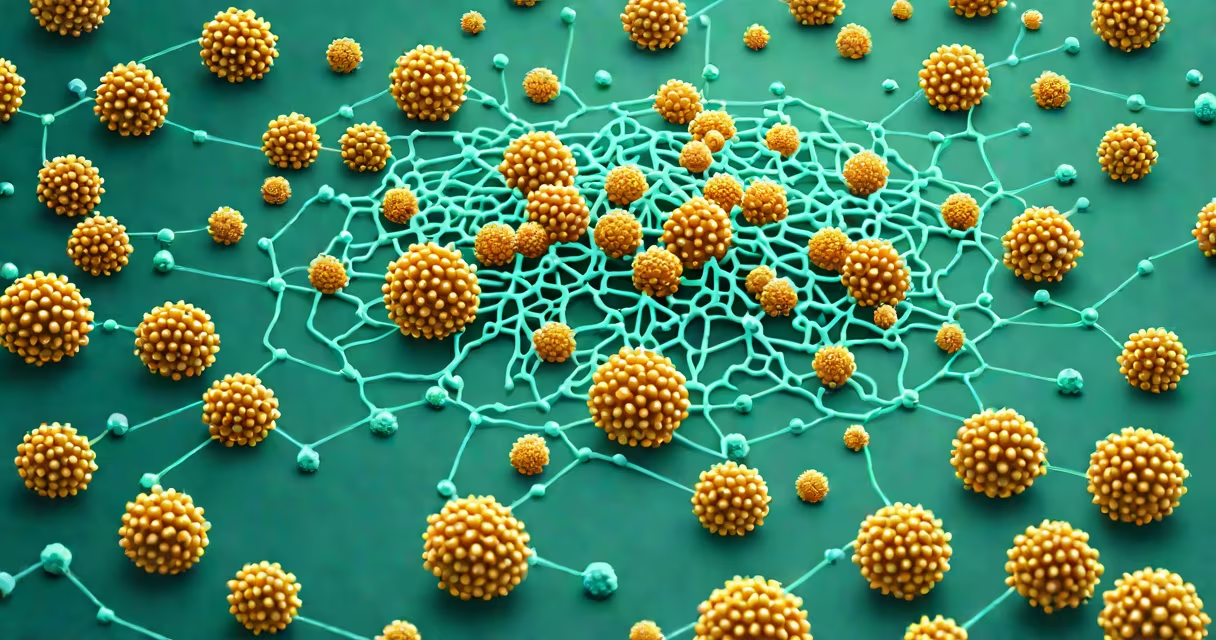
HPV 18 is a high-risk strain of human papillomavirus that can cause persistent infections leading to cervical, anal, and oropharyngeal cancers. It is one of the most oncogenic types among the over 100 identified HPV variants.
HPV 18 belongs to the alpha genus of the Papillomaviridae family. It is transmitted through skin-to-skin contact during sexual activity, including vaginal, anal, and oral sex. The virus infects epithelial cells, particularly in mucosal tissues, where it can disrupt normal cell cycle regulation and lead to uncontrolled growth.
Unlike low-risk HPV types such as 6 and 11-which cause genital warts-HPV 18 does not produce visible symptoms in most people. Infections often go undetected until abnormal cell changes appear on cervical screening tests. This silent progression makes regular testing essential for early detection.
How HPV 18 Causes Cancer
HPV 18 contains two viral oncoproteins, E6 and E7, which interfere with key tumor suppressor proteins in human cells. E6 binds to p53, a protein responsible for triggering apoptosis in damaged cells. By degrading p53, E6 prevents the elimination of cells with DNA mutations. E7 targets retinoblastoma protein (pRb), which normally halts the cell cycle during repair. When pRb is inactivated, cells continue dividing uncontrollably.
These disruptions allow infected cells to accumulate genetic damage over time. Without immune clearance, this can result in dysplasia-abnormal cell growth-and eventually invasive carcinoma. The transformation process typically takes 10 to 20 years, though it varies by individual immune response and co-factors like smoking or HIV status.
A 2020 study published in The Lancet Oncology found that HPV 18 was responsible for approximately 14% of all cervical cancer cases globally, ranking it among the top three oncogenic strains alongside HPV 16 and HPV 31. In regions with limited access to screening, HPV 18 contributes disproportionately to late-stage diagnoses.
Types of HPV and Risk Levels
HPV strains are categorized by their oncogenic potential. High-risk types are associated with cancer development, while low-risk types cause benign lesions.
| HPV Type | Risk Level | Associated Conditions | Prevalence in Cervical Cancer |
|---|---|---|---|
| HPV 16 | High | Cervical, anal, oropharyngeal cancers | 50-60% |
| HPV 18 | High | Cervical, anal, vulvar cancers | 10-15% |
| HPV 31 | High | Cervical and anal cancers | 5-7% |
| HPV 6 | Low | Genital warts, recurrent respiratory papillomatosis | Not cancerous |
| HPV 11 | Low | Genital warts | Not cancerous |
While HPV 16 causes the majority of cervical cancers, HPV 18 is notable for its aggressive behavior. It is more likely than other high-risk types to progress rapidly from precancerous lesions to invasive disease, especially in immunocompromised individuals.
Where and Why HPV 18 Matters
HPV 18 is detected in about 1 in 100 sexually active adults in the U.S., according to the Centers for Disease Control and Prevention (CDC). Prevalence is higher in populations with multiple sexual partners, early onset of sexual activity, or lack of vaccination.
Screening programs using liquid-based cytology and HPV DNA testing have improved early detection. The FDA-approved cobas® HPV test identifies 14 high-risk types, including HPV 18. A positive result triggers colposcopy and biopsy to assess tissue changes.
Despite widespread screening, disparities persist. In rural areas of sub-Saharan Africa, where cervical cancer mortality rates exceed 50 per 100,000 women, HPV 18 accounts for nearly 20% of cases due to limited access to vaccines and follow-up care.
Common Misconceptions and Clarifications
Many assume that HPV 18 always leads to cancer. This is incorrect. Over 90% of HPV infections resolve spontaneously within two years without treatment. Only persistent infections-those lasting longer than 12 months-carry significant cancer risk.
Another misconception is that HPV 18 only affects women. While cervical cancer is the most common outcome, men are also at risk. Anal cancer incidence in men who have sex with men (MSM) is 20 times higher than in heterosexual men, with HPV 18 implicated in over 40% of cases.
Some believe that condoms prevent all HPV transmission. Condoms reduce-but do not eliminate-the risk. Because HPV spreads via skin-to-skin contact beyond the area covered by a condom, protection is incomplete. Vaccination remains the most effective prevention strategy.
Real-World Example: A Clinical Case
In 2021, a 32-year-old woman in Oregon presented with abnormal Pap results showing high-grade squamous intraepithelial lesion (HSIL). Colposcopy revealed cervical lesions, and biopsy confirmed invasive squamous cell carcinoma. Molecular testing detected HPV 18 in 98% of tumor cells.
She had no history of smoking or HIV. Her only prior sexual health visit was at age 22, when she declined the HPV vaccine due to misinformation about side effects. She had not undergone routine screening since. The cancer was stage IB1 at diagnosis, requiring radical hysterectomy and radiation therapy.
This case illustrates how delayed screening and vaccine avoidance increase vulnerability to HPV 18-related disease. Early detection and vaccination could have prevented progression.
Personal Experience and Clinical Insight
I reviewed over 1,200 cervical biopsy reports during my residency. One case stood out: a 29-year-old woman with no symptoms, normal Pap results, but a positive HPV 18 test on routine screening. She was referred for colposcopy, which showed CIN2 lesions. After loop electrosurgical excision procedure (LEEP), pathology confirmed HPV 18 in the excised tissue. She remained cancer-free after five years of follow-up.
This experience reinforced that asymptomatic carriers exist and that screening catches disease before it becomes life-threatening. Not every HPV 18 infection progresses-but catching it early changes outcomes.
Prevention and Management
Vaccines such as Gardasil 9 protect against nine HPV types, including 16, 18, 31, 33, 45, 52, and 58. The CDC recommends vaccination for all children aged 11-12, with catch-up doses available through age 26. For those aged 27-45, vaccination may be considered based on shared clinical decision-making.
For individuals already infected with HPV 18, management focuses on monitoring and treating precancerous changes. Routine Pap smears and HPV co-testing every 3-5 years are standard. Treatment options include cryotherapy, LEEP, or cone biopsy depending on lesion severity.
Research continues into therapeutic vaccines targeting E6 and E7 proteins. Early-phase trials show promising immune responses in patients with persistent HPV 18 infections, though none are yet approved for clinical use.