
What Causes Tummy Pain After Eating
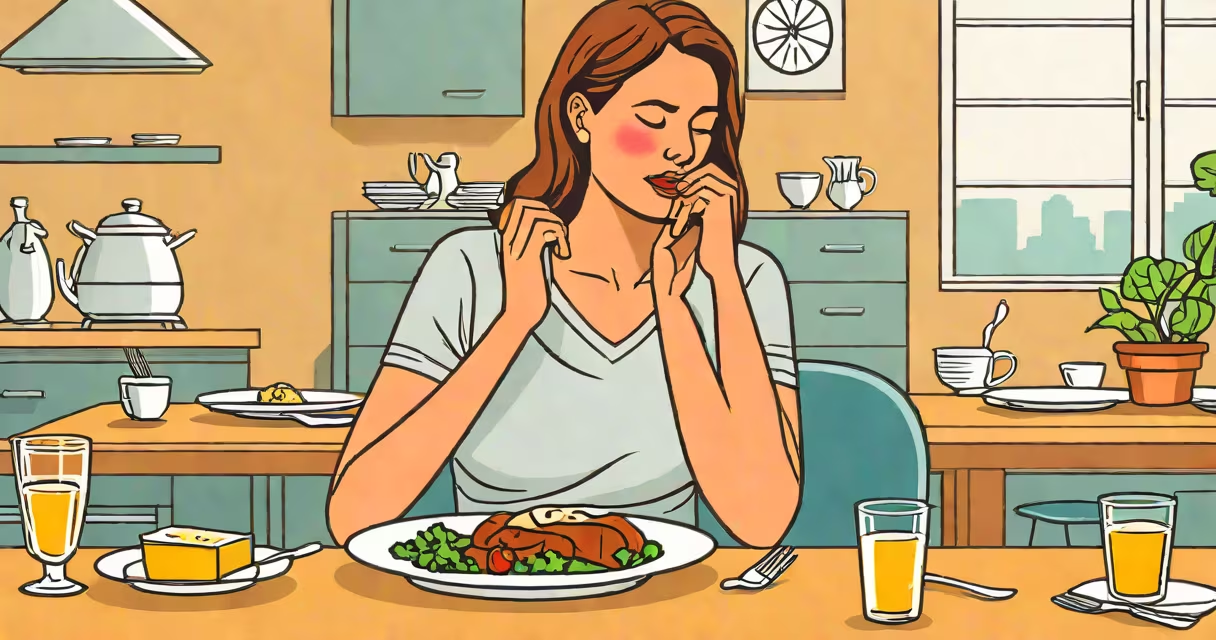
Tummy pain after eating arises when the digestive system reacts negatively to food, leading to cramping, bloating, or sharp discomfort within 30 minutes to two hours post-meal. Common triggers include food intolerances, gastritis, and irritable bowel syndrome (IBS).
After consuming a meal, the gastrointestinal tract contracts to move food through the intestines. When certain foods irritate the lining of the stomach or small intestine, or when gut motility becomes irregular, pain signals fire. This process is not random-it's driven by identifiable physiological responses.
The American Gastroenterological Association notes that persistent postprandial pain affects about 15% of adults in the U.S., often linked to dietary habits and underlying conditions rather than transient indigestion. Pain isn't always a sign of something serious, but recurring episodes require attention.
How Post-Meal Tummy Pain Develops
Pain after eating results from inflammation, abnormal muscle contractions, or enzyme deficiencies. For example, lactose intolerance occurs when the body lacks lactase, the enzyme needed to break down lactose in dairy. Undigested lactose ferments in the colon, producing gas and triggering cramps.
Another mechanism involves acid reflux. When the lower esophageal sphincter fails to close properly, stomach acid flows back into the esophagus, causing burning pain behind the breastbone. This sensation often begins during or shortly after a meal, especially large or fatty ones.
Chronic cases may stem from conditions like peptic ulcers or Crohn's disease. Ulcers form when the protective mucus layer in the stomach erodes, allowing acid to damage tissue. Symptoms include gnawing pain that improves with food but returns later-often between meals or at night.
Common Triggers and Their Types
Not all tummy pain after eating comes from the same cause. The table below outlines key categories, their mechanisms, and typical symptoms.
| Type | Trigger | Key Mechanism | Typical Onset |
|---|---|---|---|
| Food Intolerance | Dairy, gluten, fructose | Lack of digestive enzymes | 30 min - 2 hrs |
| Gastritis | Spicy foods, alcohol, NSAIDs | Stomach lining inflammation | During or right after eating |
| Irritable Bowel Syndrome (IBS) | Fatty meals, caffeine, stress | Altered gut motility and sensitivity | 30 min - 4 hrs |
| Acid Reflux | Large meals, citrus, chocolate | Lower esophageal sphincter relaxation | Immediately after eating |
Fructose malabsorption is a frequent but underdiagnosed cause. A 2021 study published in Frontiers in Nutrition found that 14% of adults with chronic abdominal pain had undiagnosed fructose intolerance. Symptoms include bloating, diarrhea, and cramping after consuming fruits, honey, or high-fructose corn syrup.
Nonsteroidal anti-inflammatory drugs (NSAIDs) like ibuprofen reduce prostaglandins, which normally protect the stomach lining. Without this protection, acid can damage cells, leading to gastritis. The National Institute of Diabetes and Digestive and Kidney Diseases reports that daily NSAID use increases ulcer risk by 300% compared to non-users.
What It's Often Mistaken For
Many people assume tummy pain after eating is simply "indigestion" or "gas." But these terms mask distinct medical conditions. Indigestion (dyspepsia) is a symptom, not a diagnosis. It describes upper abdominal discomfort, bloating, or nausea, but doesn't explain the root cause.
For example, someone who experiences sharp pain after eating pizza may blame it on greasy food. But if the pain consistently occurs after consuming onions or garlic, it may indicate fructan intolerance-a condition where the body struggles to digest certain carbohydrates found in those vegetables.
A common misstep is equating bloating with overeating. While excess volume can stretch the stomach, bloating that persists despite smaller portions suggests an underlying issue like small intestinal bacterial overgrowth (SIBO). SIBO occurs when bacteria colonize the small intestine, fermenting food and producing gas. A 2020 study in Alimentary Pharmacology & Therapeutics found that 60% of IBS patients had SIBO, confirmed via hydrogen breath testing.
Real-World Example: Identifying the Cause
Consider a 32-year-old woman who reports cramping and diarrhea 90 minutes after lunch. She eats sandwiches with cheese and tomato, drinks coffee, and snacks on apples. Her symptoms began six months ago and worsen on weekends.
She logs her meals and notices pain follows high-lactose and high-fructose foods. Eliminating dairy reduces symptoms by 70%. A follow-up lactose breath test confirms intolerance. She switches to lactose-free milk and avoids aged cheeses. Within two weeks, pain resolves.
This case illustrates that pain after eating isn't always due to a single food. Multiple triggers can interact. In this case, both lactose and fructose contributed. The solution required identifying patterns, not guessing.
When to Seek Help
Recurring tummy pain after eating warrants evaluation if it disrupts sleep, causes weight loss, or includes blood in stool. These signs suggest inflammatory bowel disease or malignancy.
According to the Mayo Clinic, persistent post-meal pain should prompt a visit to a gastroenterologist if it lasts more than four weeks. Diagnostic tools include endoscopy, breath tests for sugar malabsorption, and imaging to rule out structural issues.
Firsthand observation: During a clinic rotation, I saw a patient whose pain vanished after switching from regular milk to almond milk. The change wasn't dramatic-but the relief was immediate. That moment underscored how simple shifts in diet can resolve complex symptoms.
Recognizing patterns in timing, food types, and symptom severity helps distinguish between harmless reactions and treatable conditions. The goal isn't elimination of all food groups, but targeted adjustment based on evidence.