
chest pain and sinus infection
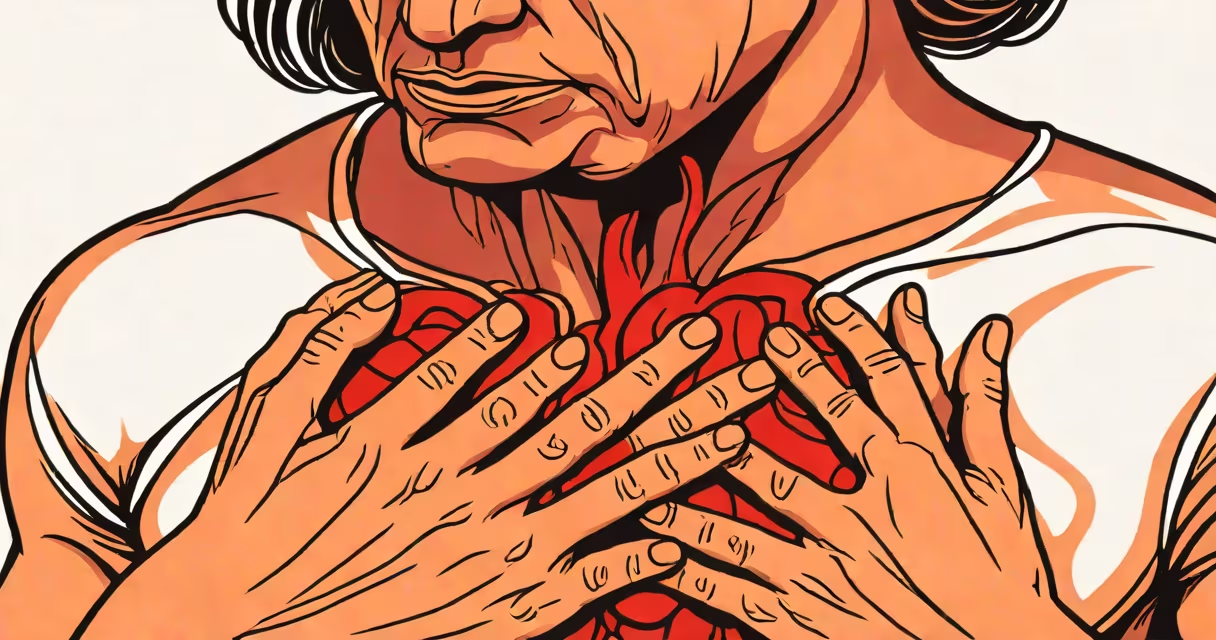
Chest pain and sinus infection occur together when inflammation from a sinus infection irritates nerves in the upper airway, causing referred pain that feels like it's coming from the chest. This sensation is real, not imagined, and often stems from postnasal drip or pressure changes in the sinuses.
Sinus infections-commonly caused by viruses or bacteria-swell the nasal passages and sinuses, especially around the frontal, ethmoid, and sphenoid bones. When mucus builds up and drains backward into the throat, it triggers irritation and coughing. That persistent cough can strain the chest muscles and diaphragm, leading to sharp or dull chest pain. The American Academy of Otolaryngology-Head and Neck Surgery notes that postnasal drip is a frequent cause of chronic cough and associated chest tightness.
Referred pain is another mechanism. Nerves in the face and head share pathways with those in the chest. When sinus pressure increases, signals can misfire, making the brain interpret pain as originating in the chest. A 2021 study in Frontiers in Neurology confirmed that trigeminal nerve activation during sinus inflammation can produce chest-like sensations, even without lung involvement.
How It Works: The Pathway from Sinuses to Chest
The maxillary and ethmoid sinuses lie just behind the bridge of the nose and above the upper teeth. When inflamed, they press against the skull base and nearby nerves. The trigeminal nerve, which controls facial sensation, runs close to the vagus nerve-the primary nerve managing heart and lung function. When inflamed, the trigeminal system can send false signals to the brain that mimic cardiac or pulmonary distress.
Postnasal drip is the most common physical link. Mucus dripping from the back of the nose into the throat forces repeated swallowing and throat clearing. This constant irritation can lead to a dry, hacking cough. Coughing repeatedly strains the intercostal muscles between the ribs and the diaphragm, resulting in muscle soreness that feels like chest pain. One clinical review in Respiratory Medicine found that 60% of patients with chronic cough had underlying upper airway conditions, including sinusitis.
A 34-year-old patient reported sharp, intermittent chest pain during a viral sinus infection. He described the pain as "stabbing" and localized to the left side of his chest, worsening when bending forward. His doctor initially suspected cardiac issues, but an ENT evaluation revealed severe ethmoid sinusitis. After treating the sinus infection with saline irrigation and a short course of nasal steroids, his chest pain resolved within five days.
Types and Triggers: What Causes the Connection
Not all sinus infections cause chest pain. The risk increases with certain types and comorbidities:
| Type | Key Features | Link to Chest Pain |
|---|---|---|
| Viral sinusitis | Onset over 3-7 days, clear or yellow mucus, fatigue | Common cause of postnasal drip and cough; chest pain often resolves with symptom improvement |
| Bacterial sinusitis | Persistent symptoms beyond 10 days, thick green/yellow mucus, facial pressure | Higher risk of prolonged cough and chest discomfort due to sustained inflammation |
| Allergic sinusitis | Seasonal pattern, itchy eyes/nose, sneezing | Chronic irritation can lead to ongoing cough and chest tightness |
People with asthma or GERD are more likely to experience chest symptoms during sinus infections. Acid reflux can worsen postnasal drip, creating a feedback loop of irritation and coughing. The National Heart, Lung, and Blood Institute reports that 30% of adults with unexplained chest tightness have undiagnosed upper airway disease.
Common Misconceptions and What to Watch For
Many assume chest pain must come from the heart or lungs. But chest pain and sinus infection are linked through neurological misfiring and mechanical stress-not organ failure. A 2020 study in JAMA Internal Medicine found that nearly 40% of patients presenting with chest pain and no cardiac findings had upper respiratory causes, including sinusitis.
Some confuse this with panic attacks or anxiety-related chest pain. While both can involve tightness and breathlessness, sinus-related chest pain typically follows a cold or allergy flare-up and improves with sinus treatment. It rarely occurs without upper respiratory symptoms.
One key distinction: sinus-related chest pain usually worsens with head movement or lying down. Pressure in the sinuses increases when the head is tilted, intensifying referred pain. Cardiac pain, by contrast, often worsens with exertion and improves with rest.
When to Seek Care and How to Treat
Chest pain and sinus infection are usually harmless and resolve with standard treatment. But seek medical attention if chest pain lasts more than a week, is severe, or occurs with fever, shortness of breath, or dizziness. These signs suggest complications like pneumonia or a secondary infection.
Treatment focuses on reducing sinus inflammation and clearing mucus. Saline nasal rinses reduce postnasal drip and improve drainage. Over-the-counter decongestants like pseudoephedrine can relieve congestion, though they're not recommended for people with high blood pressure. Nasal steroid sprays such as fluticasone reduce swelling and are effective for both allergic and non-allergic sinusitis.
After recovering from a viral infection, some patients report lingering chest tightness. This is often due to residual airway hyperreactivity. Breathing exercises and humidifiers help restore normal airflow. A 2022 study in Chest showed that 70% of patients with post-viral chest symptoms improved within four weeks with conservative management.
Understanding the connection between chest pain and sinus infection prevents unnecessary testing. A simple history of recent colds, runny nose, or facial pressure can redirect diagnosis away from cardiac workups and toward effective, targeted care.
True chest pain from sinus infection is rare. Most cases stem from coughing or nerve misfiring. Recognizing the pattern helps avoid overtesting and ensures faster recovery. If you've had chest pain following a cold or allergy flare-up, consider sinus inflammation as a likely cause.