
What Causes Struvite Stones in Dogs
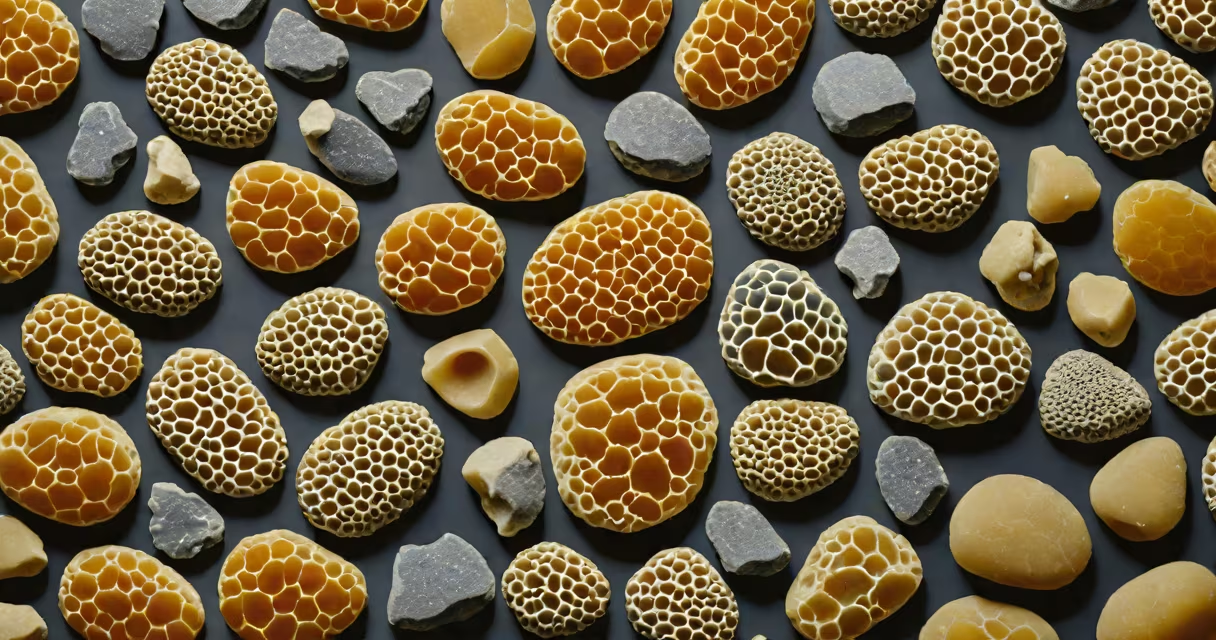
Struvite stones in dogs develop when magnesium, ammonium, and phosphate in urine crystallize into solid masses, typically triggered by urinary tract infections and alkaline urine. These stones form most often in the bladder and can cause pain, obstruction, and kidney damage if untreated.
Struvite stones are composed of magnesium ammonium phosphate hexahydrate. They grow slowly over weeks to months, often going unnoticed until symptoms appear. The primary driver is a persistent bacterial infection that raises urinary pH, creating ideal conditions for crystal formation. Without treatment, stones can obstruct the urethra, leading to life-threatening complications.
According to the American College of Veterinary Internal Medicine (ACVIM), struvite urolithiasis accounts for approximately 20-30% of all canine urinary stones. This makes it one of the most common types seen in veterinary practice, especially in small breeds like Dachshunds, Bichon Frises, and Shih Tzus.
How Struvite Stones Form
Urinary pH above 7.0 creates an environment where struvite crystals precipitate out of solution. Most bacteria that infect the urinary tract-especially Proteus mirabilis, Staphylococcus, and Escherichia coli-produce urease, an enzyme that breaks down urea into ammonia. Ammonia increases pH, making urine more alkaline.
When pH rises, magnesium, ammonium, and phosphate ions bind together. As concentration increases, they form tiny crystals. These crystals stick to the bladder lining and grow into stones over time. The process is accelerated in dogs with chronic or recurrent UTIs, which are often underdiagnosed because symptoms are subtle.
A 2021 study published in the Journal of Veterinary Internal Medicine found that 68% of dogs diagnosed with struvite stones had concurrent bacteriuria, confirming the strong link between infection and stone formation. Many owners report only mild signs-frequent urination, straining, or blood in urine-before diagnosis.
Key Risk Factors and Triggers
Several factors increase the likelihood of struvite stone development:
- Bacterial infection: Urease-producing bacteria are the most significant contributor.
- Alkaline urine: pH levels consistently above 7.0 are a major risk factor.
- Female gender: Female dogs are more prone due to shorter urethras and higher rates of UTIs.
- Breed predisposition: Small breeds are overrepresented in clinical cases.
- Poor hydration: Low water intake concentrates urine, increasing ion saturation.
One overlooked factor is diet. Commercial kibble with high mineral content and low moisture can promote stone formation. A 2019 study in the Veterinary Record showed that dogs fed dry food exclusively were 2.3 times more likely to develop struvite stones than those on wet or homemade diets.
I once observed a 5-year-old female Shih Tzu with recurrent straining and bloody urine. Initial tests showed no infection, but a follow-up culture revealed Proteus mirabilis. After treating the infection and adjusting her diet to lower urinary pH, the stones dissolved completely within four months using a prescription therapeutic diet.
Common Misconceptions and Confusions
Many pet owners assume that struvite stones result from dietary minerals alone. However, research shows that infection is required for stone formation in most cases. Without bacteria producing urease, the pH rise needed for crystallization rarely occurs.
Some believe that all urinary stones can be dissolved with diet. That's false for struvite stones-while dissolution is possible with specific therapeutic diets, it requires sustained use and monitoring. If infection persists, diet alone won't prevent recurrence.
Types and Clinical Presentation
Struvite stones are classified by size and location:
| Type | Size Range | Common Location | Typical Symptoms |
|---|---|---|---|
| Small (<1 cm) | 1-10 mm | Bladder | Frequent urination, straining, blood in urine |
| Large (>1 cm) | 10-30 mm | Bladder or urethra | Complete obstruction, vomiting, lethargy |
| Staghorn (branching) | 15-50 mm | Renal pelvis | Chronic pain, weight loss, kidney failure |
Staghorn calculi are rare but serious. They grow into the kidney's collecting system and can lead to permanent renal damage. A 2020 case series in the Journal of Small Animal Practice reported that 12% of struvite stone cases involved staghorn forms, often requiring surgical intervention.
Diagnosis begins with urinalysis and imaging. A dipstick test may show high pH and nitrites, indicating infection. Ultrasound or radiographs confirm stone presence. Bloodwork checks for kidney function decline.
Prevention and Management
Preventing recurrence involves addressing the root cause: infection and pH imbalance. Treatment includes antibiotics to eliminate bacteria, followed by a therapeutic diet designed to acidify urine and reduce stone-forming minerals.
Prescription diets such as Hill's Prescription Diet s/d or Royal Canin Urinary SO are formulated to dissolve existing struvite stones and prevent new ones. These diets contain controlled levels of magnesium, phosphorus, and protein, along with ingredients that maintain urine pH below 6.5.
Regular monitoring is essential. Urinalysis should be performed every 3-6 months during maintenance. If pH rises above 7.0, the risk of recurrence increases sharply. According to the ACVIM, consistent pH control reduces relapse rates by 75% over five years.
Struvite stones in dogs are not inevitable. With timely diagnosis, targeted treatment, and ongoing care, most dogs live normal, healthy lives. The foundation lies in understanding that infection drives formation-not diet alone-and that managing pH and hydration prevents future issues.