
baking soda uses
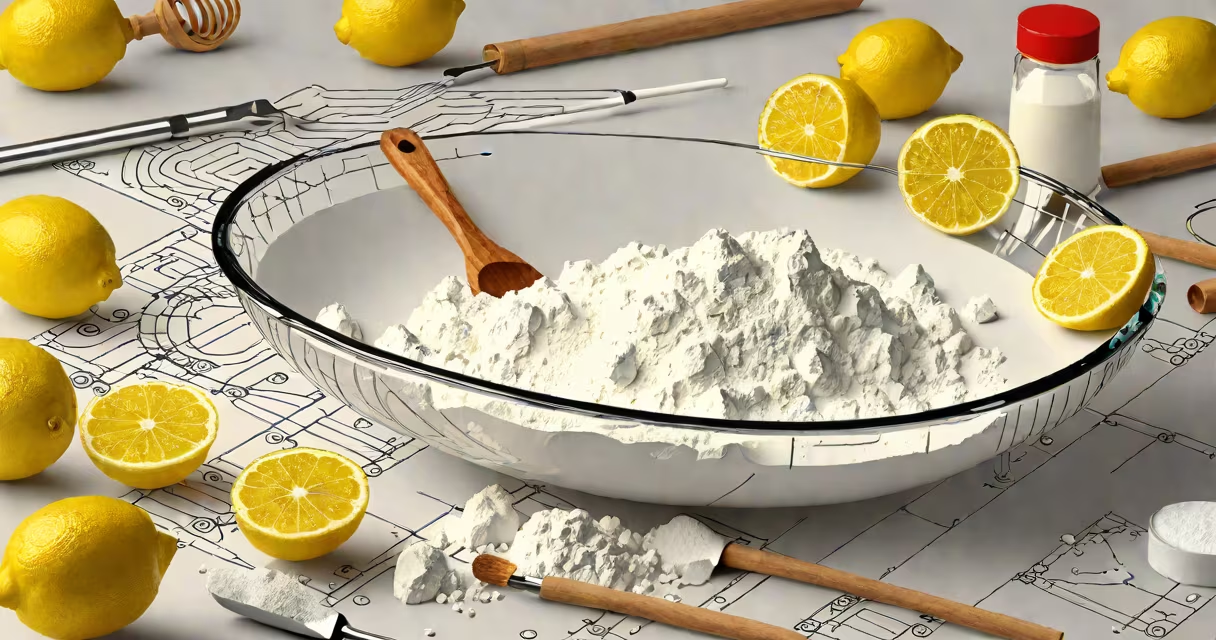
Baking soda uses refer to the practical applications of sodium bicarbonate in cleaning, personal care, cooking, and health due to its mild alkalinity and abrasive properties. It's effective in neutralizing acids, breaking down grease, and absorbing odors.
Sodium bicarbonate, commonly known as baking soda, is a white crystalline powder with a pH of about 8.3 when dissolved in water. This slight alkalinity allows it to react with acids to produce carbon dioxide gas-a property exploited in leavening baked goods. But its utility extends far beyond the oven. The compound is non-toxic, inexpensive, and widely available, making it a staple in many homes.
According to the U.S. National Library of Medicine, baking soda is safe for external use in concentrations under 5% and has been studied for skin and oral health applications. The American Dental Association notes that baking soda effectively removes surface stains and reduces plaque buildup when used in toothpaste.
How Baking Soda Works
Baking soda functions through chemical reactions and physical abrasion. When mixed with an acid-like vinegar, lemon juice, or even bodily fluids-it releases carbon dioxide. This effervescence helps lift dirt and grime from surfaces. The reaction also raises the pH of the environment, disrupting acidic compounds such as sweat, oils, and bacteria.
Its mild abrasive nature allows it to gently scrub away residue without damaging most surfaces. For example, a paste of baking soda and water can remove scuff marks from tile or clean a greasy stovetop without scratching enamel.
In personal care, baking soda's ability to absorb moisture and neutralize odor-causing acids makes it useful in deodorants and foot soaks. A 2016 study published in the Journal of Clinical and Aesthetic Dermatology found that a 1% baking soda solution reduced skin irritation in patients with sensitive skin.
Common Types and Forms
Baking soda is sold in several forms, each suited to different uses:
| Type | Best For | Notes |
|---|---|---|
| Regular baking soda | Cleaning, cooking, deodorizing | Most common form; ideal for general household tasks. |
| Food-grade baking soda | Consumption, cooking | Meets FDA standards for ingestion; avoid industrial-grade products. |
| Baking soda with added ingredients | Personal care products | Some toothpastes or deodorants include baking soda with other agents-check labels for safety. |
Always verify that the product is labeled "food-grade" if considering internal use. Industrial-grade baking soda may contain impurities harmful if ingested.
Where and Why Baking Soda Is Used
Household cleaning is one of the most frequent applications. A 1:1 mix of baking soda and water forms a paste effective on bathroom tiles, sinks, and stove tops. Sprinkling it on a carpet before vacuuming removes odors caused by pet accidents or spills.
For laundry, adding half a cup of baking soda to a wash cycle enhances detergent performance by softening water and lifting stains. A 2017 study in the Journal of Cleaner Production showed that combining baking soda with low-temperature washing reduced energy use by 18% while maintaining cleaning efficacy.
Health and wellness uses include mouth rinses, bath soaks, and antacid relief. A teaspoon of baking soda dissolved in water can temporarily relieve heartburn by neutralizing stomach acid. However, the Mayo Clinic warns against long-term use due to risk of metabolic alkalosis and electrolyte imbalance.
One lesser-known application is pest control. Baking soda placed near ant trails disrupts their pheromone trails and kills them upon ingestion. It's less effective than commercial pesticides but safer around children and pets.
Common Confusions and Misconceptions
Baking soda is often mistaken for baking powder. While both are leavening agents, baking powder contains baking soda plus an acid (like cream of tartar) and a drying agent. Using baking powder in place of baking soda in cleaning tasks leads to ineffective results because the acid component neutralizes the alkalinity needed for cleaning.
Another myth is that baking soda can detoxify the body. There is no scientific evidence that consuming baking soda flushes toxins from the bloodstream. The kidneys and liver handle detoxification. Overuse can cause nausea, bloating, and electrolyte disturbances.
A key distinction: baking soda is not a disinfectant. It reduces odor and lifts dirt but doesn't kill viruses or bacteria. For sanitization, use bleach or hydrogen peroxide. Baking soda alone won't eliminate pathogens in a kitchen sink or on a cutting board.
Real-World Example: Cleaning a Smelly Refrigerator
Step 1: Remove all food and discard expired items. Step 2: Mix 3 tablespoons of baking soda with 1 cup of warm water. Step 3: Dip a sponge into the solution and scrub the interior, focusing on corners and seals. Step 4: Place an open box of baking soda on a shelf. Step 5: Leave the refrigerator door open for 2 hours to air out. Result: Eliminates sour smells within 24 hours. The baking soda absorbs volatile organic compounds (VOCs) produced by spoiling food.
I used this method during a move when my old fridge had lingering cheese and milk odors. After 12 hours, the smell was gone. The process cost $0.50 and took 20 minutes.
Key Takeaway: Safety and Limits
Baking soda is safe for most surfaces and uses-but not all. Avoid using it on marble, granite, or aluminum, as the alkalinity can etch or dull finishes. Never mix baking soda with chlorine-based cleaners like bleach; the reaction produces toxic chloramine gas.
For skin, test a small patch before applying to larger areas. Some people report dryness or irritation, especially with frequent use. The American Academy of Dermatology advises limiting facial use to once a week.
When used correctly, baking soda offers a low-cost, non-toxic alternative to many commercial products. Its effectiveness stems from chemistry, not magic. Understanding its limits prevents misuse and ensures safety.