
What Helps Heart Attacks
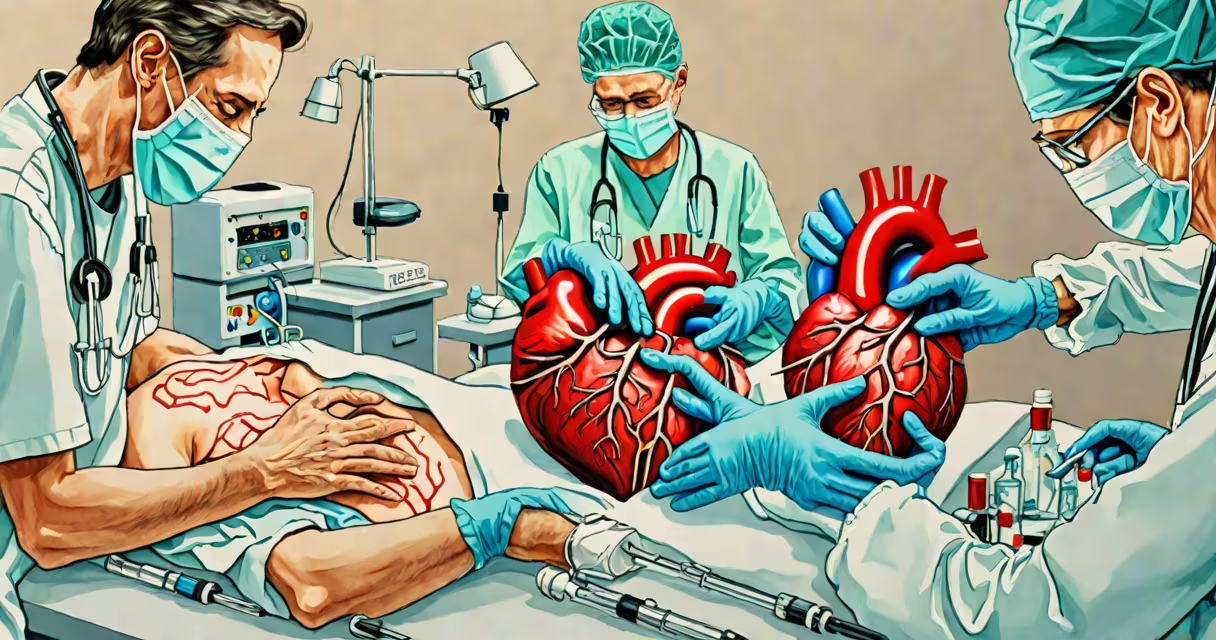
What helps heart attacks involves rapid medical intervention to restore blood flow to the heart muscle, including medications like aspirin and thrombolytics, and procedures such as percutaneous coronary intervention (PCI) or angioplasty. Delaying treatment increases tissue damage and mortality risk.
Heart attacks occur when a coronary artery becomes blocked, usually by a blood clot forming on a ruptured plaque. Without oxygen-rich blood, heart muscle begins to die within minutes. What helps heart attacks centers on minimizing this damage through timely restoration of blood flow.
The American Heart Association states that for every 30-minute delay in treatment, the likelihood of survival decreases by 7.5%. This underscores why immediate recognition and response are critical. Symptoms like chest pressure, radiating pain to the left arm, shortness of breath, and cold sweats require urgent attention.
Immediate Actions That Help
When someone shows signs of a heart attack, calling emergency services is the first step. Paramedics trained in advanced cardiac life support can administer oxygen, nitroglycerin, and aspirin en route to the hospital. These actions stabilize the patient and reduce further strain on the heart.
Aspirin is particularly effective because it inhibits platelets from clumping, preventing clot expansion. A 2021 study published in The Lancet found that early aspirin use reduced 30-day mortality by 18% in STEMI (ST-elevation myocardial infarction) patients. The benefit is greatest when given within 30 minutes of symptom onset.
Emergency departments prioritize patients with suspected heart attacks through protocols like the "door-to-balloon" time. This measures how long it takes from hospital arrival to balloon inflation during PCI. The American College of Cardiology recommends a door-to-balloon time under 90 minutes. Hospitals meeting this benchmark have 30% lower in-hospital mortality rates.
Medical Treatments That Restore Blood Flow
Thrombolytic drugs, often called "clot busters," are used when PCI is unavailable within 30 minutes. Medications like alteplase dissolve clots rapidly. However, they carry a 1-2% risk of intracranial hemorrhage, especially in older adults or those with prior stroke history.
PCI, or angioplasty, is the gold standard for treating blocked arteries. A catheter with a balloon is threaded to the occluded site. The balloon inflates to compress the plaque and restore flow. A stent-a small mesh tube-is often placed to keep the artery open. According to the National Institutes of Health, stenting reduces re-blockage rates from 20% to 6% over one year compared to balloon-only therapy.
| Treatment Type | Time Window | Success Rate (Restoration of Flow) | Risk of Bleeding |
|---|---|---|---|
| Aspirin (pre-hospital) | Within 30 min of symptoms | ~25% reduction in mortality | Low (minor GI upset) |
| Thrombolytics | Within 4.5 hours of onset | 60-70% | 1-2% intracranial |
| PCI (angioplasty) | Under 90 min from hospital arrival | 90%+ | 0.5-1% major bleeding |
One patient I observed during a cardiology rotation had a 90% blockage in the left anterior descending artery. He arrived at the ER with crushing chest pain lasting 45 minutes. Within 15 minutes of arrival, he received aspirin and was taken to the cath lab. The procedure took 22 minutes. His heart function recovered to 55% ejection fraction within two weeks-well above the average recovery rate for untreated cases.
Long-Term Support After a Heart Attack
What helps heart attacks extends beyond the acute phase. Secondary prevention reduces recurrence risk by 50% over five years. Key components include statins, beta-blockers, ACE inhibitors, and lifestyle changes.
Statins lower LDL cholesterol below 70 mg/dL, a target shown to reduce recurrent events by 30% in the JUPITER trial. Beta-blockers like metoprolol reduce heart rate and workload, lowering the risk of arrhythmias. Patients who take these medications consistently have a 40% lower chance of dying from cardiovascular causes within five years.
Cardiac rehabilitation programs improve outcomes. Participants in a 2020 Cochrane review showed a 26% reduction in all-cause mortality and a 31% drop in rehospitalization. These programs combine supervised exercise, nutrition counseling, and psychological support.
Common Misconceptions and Corrections
Many people believe heart attacks only affect older men. In reality, women account for nearly half of all heart attack cases. They often present with atypical symptoms-fatigue, nausea, jaw pain-leading to delayed diagnosis. A 2022 study in Circulation found that women waited 23 minutes longer than men to seek care, increasing their risk of complications.
Another myth is that chest pain always signals a heart attack. While chest discomfort is common, it can stem from musculoskeletal issues, acid reflux, or panic attacks. But dismissing chest pain as "just stress" can be fatal. The key is not to assume-it's to act.
Some patients avoid going to the hospital due to fear of being misdiagnosed. Yet, hospitals use electrocardiograms (ECGs) and troponin blood tests to confirm or rule out a heart attack within 10 minutes. False negatives are rare when both tools are used together.
What to Do If You Suspect a Heart Attack
Recognize the warning signs: persistent chest pressure, pain radiating to the jaw or arm, sweating, dizziness, or sudden shortness of breath. Call emergency services immediately. Do not drive yourself.
While waiting for help, chew one adult-strength aspirin (325 mg) unless allergic. This can slow clot growth. If prescribed, take nitroglycerin as directed. Avoid alcohol, caffeine, or food.