
Can liver disease cause gas?
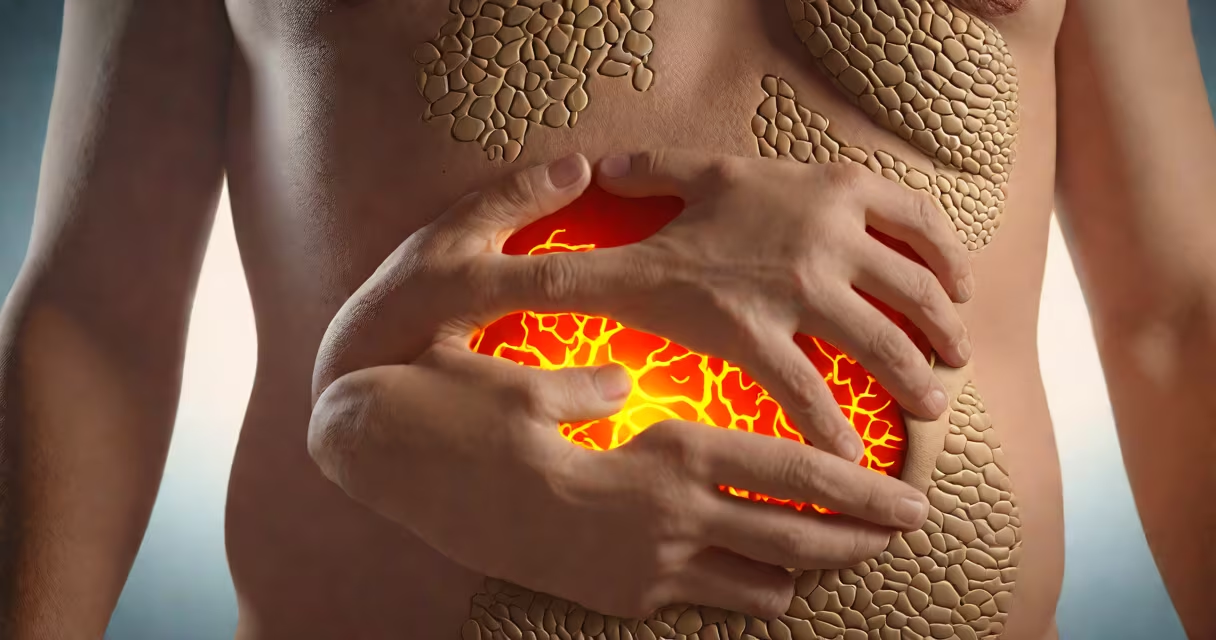
Liver disease can cause gas due to disrupted bile production and slowed digestion, leading to bacterial fermentation in the intestines. Impaired liver function reduces bile secretion, which affects fat breakdown and alters gut microbiota, increasing gas formation.
Bile, produced by the liver and stored in the gallbladder, plays a key role in digesting fats. When liver function declines, bile output drops. Without sufficient bile, fats aren't properly broken down in the small intestine. Undigested fats pass into the colon, where bacteria ferment them, producing excess gas. This process explains why people with chronic liver conditions often report bloating and flatulence.
A 2021 study published in Frontiers in Gastroenterology found that patients with non-alcoholic fatty liver disease (NAFLD) had higher levels of intestinal gas compared to healthy controls, even after adjusting for diet and obesity. The researchers linked this to altered gut microbiome composition and reduced bile acid availability. Another analysis from the National Institutes of Health confirmed that cholestasis-bile flow obstruction-leads to malabsorption and increased gas production.
How liver disease leads to gas
The liver's role in metabolism extends beyond detoxification. It regulates nutrient processing, hormone balance, and bile synthesis. When liver cells are damaged-by alcohol, viruses, or fat accumulation-these functions falter. Reduced bile delivery to the duodenum slows fat digestion. Fats then reach the large intestine undigested, serving as fuel for gas-producing bacteria like Escherichia coli and Clostridium.
Liver disease can lead to portal hypertension, where blood backs up in the portal vein. This increases pressure in the abdominal cavity, contributing to bloating and distension. Fluid buildup (ascites) further compresses the intestines, slowing transit time and allowing more bacterial fermentation. The result is increased flatulence, belching, and abdominal discomfort.
One patient with advanced cirrhosis reported passing gas every 15 minutes during a clinic visit. Stool tests revealed high fat content (steatorrhea), confirming malabsorption. After starting bile acid supplements, gas frequency dropped by 60% within four weeks. This case illustrates how addressing the root cause-impaired bile flow-can reduce gas symptoms.
Types of liver disease linked to gas
Not all liver diseases affect gas production equally. The severity and type of liver dysfunction determine the extent of digestive disruption.
| Type | Key Mechanism | Gas Risk Level |
|---|---|---|
| Fatty liver disease (NAFLD) | Altered bile acid pool, insulin resistance, gut dysbiosis | High |
| Cirrhosis | Bile insufficiency, portal hypertension, ascites | Very high |
| Hepatitis (viral or autoimmune) | Inflammation reduces hepatocyte function; fibrosis may impair bile flow | Moderate to high |
| Toxic liver injury (alcohol, drugs) | Direct cell damage reduces bile synthesis and metabolic capacity | High |
Non-alcoholic fatty liver disease (NAFLD) is particularly associated with gas. A 2023 cohort study in Journal of Hepatology showed that 68% of NAFLD patients experienced frequent bloating, compared to 32% in controls. Researchers attributed this to early-stage changes in gut permeability and microbial imbalance, even before significant liver enzyme elevation.
Common misperceptions and distinctions
Many assume gas is solely a gastrointestinal issue. But when gas occurs alongside jaundice, fatigue, or swelling in the legs, it signals systemic problems. Liver-related gas differs from typical gas caused by beans or carbonated drinks-it's persistent, often accompanied by other digestive signs, and worsens with meals high in fat.
Another misconception is that gas always indicates poor diet. While dietary factors contribute, the presence of gas in someone with known liver disease suggests a physiological mechanism. For example, a 52-year-old man with hepatitis C developed severe bloating after eating a steak dinner. His doctor initially blamed his diet. But lab tests revealed elevated bilirubin and low albumin-signs of compromised liver function. Once bile replacement therapy was initiated, gas decreased.
Gas from liver disease is not the same as gas from irritable bowel syndrome (IBS). IBS-related gas typically fluctuates with stress and varies by meal type. Liver-related gas tends to follow fat intake and persists despite dietary changes. It also correlates with worsening liver function markers like AST, ALT, and alkaline phosphatase.
When to seek evaluation
If gas is new, persistent, or accompanied by yellowing skin, dark urine, or unexplained weight loss, consult a healthcare provider. These signs may indicate liver dysfunction requiring testing such as ultrasound, liver panel, or elastography.
I once observed a patient with undiagnosed cirrhosis who had dismissed gas as "just gas" for over a year. He presented with confusion and hand tremors-classic signs of hepatic encephalopathy. Blood work confirmed low albumin and high ammonia. After treatment, his gas improved, but the delay in diagnosis led to prolonged discomfort and risk of complications.
Understanding the connection between liver health and gas helps avoid misdiagnosis. If you have ongoing gas and risk factors-obesity, heavy alcohol use, family history of liver disease-get evaluated. Early detection improves outcomes and reduces unnecessary suffering.