
Does wisdom teeth hurt your jaw
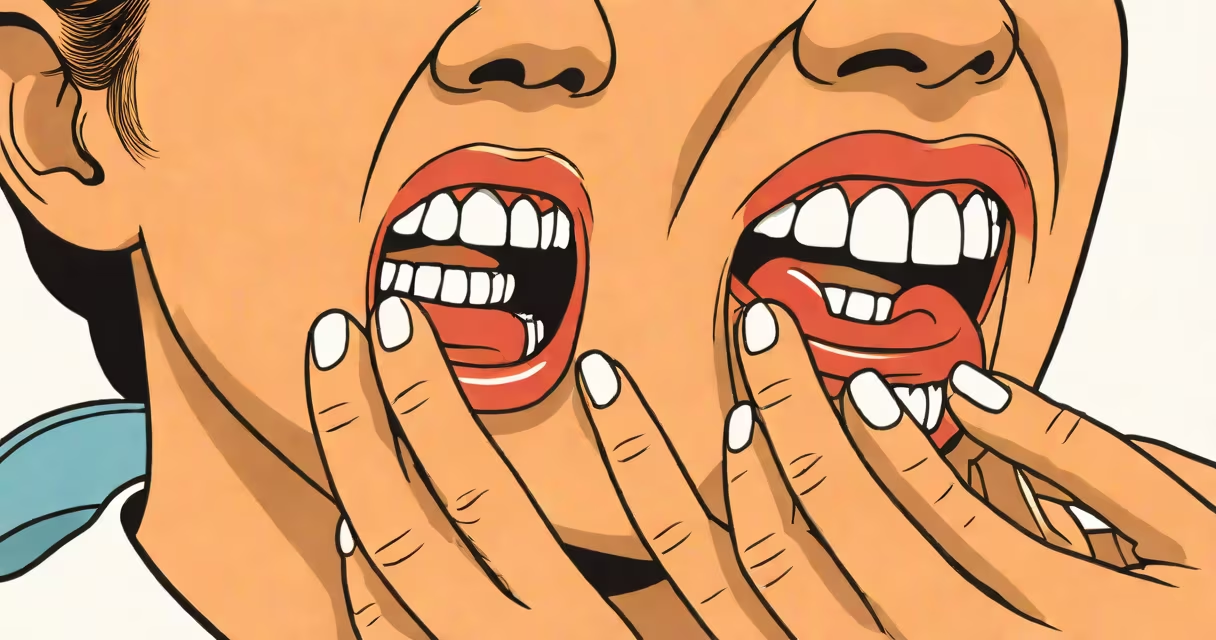
Yes, wisdom teeth can cause jaw pain when they grow in at an angle, become impacted, or push against nearby teeth and nerves. This pressure often leads to soreness, stiffness, and localized pain in the jawline, especially during chewing or mouth opening.
Wisdom teeth, or third molars, typically emerge between ages 17 and 25. When there's not enough space in the jaw, they may grow sideways, tilt upward, or remain trapped beneath the gum. These conditions increase the risk of inflammation, infection, and nerve irritation-all of which contribute to jaw discomfort. According to the American Association of Oral and Maxillofacial Surgeons (AAOMS), about 85% of people have at least one impacted wisdom tooth.
Pain from wisdom teeth usually starts gradually. Early signs include mild tenderness near the back of the jaw, swelling of the gums, and difficulty opening the mouth fully. As the tooth continues to press against adjacent structures, the pain intensifies. In severe cases, the jaw may feel locked or stiff, making talking and eating difficult. The sensation is often described as a dull ache that radiates from the back molar area toward the ear or temple.
How wisdom teeth cause jaw pain
When wisdom teeth erupt improperly, they exert pressure on surrounding tissues and bones. This mechanical stress triggers inflammation in the periodontal ligament-the connective tissue that anchors teeth to the jawbone. Swelling and fluid buildup further compress nearby nerves, amplifying pain signals sent to the brain.
Impacted teeth also create pockets where food particles and bacteria accumulate. This environment increases the risk of pericoronitis, an infection of the gum flap covering the tooth. The AAOMS reports that pericoronitis affects up to 30% of individuals with partially erupted wisdom teeth and presents with fever, foul taste, and throbbing jaw pain.
A common misconception is that jaw pain from wisdom teeth always occurs in the back of the mouth. In reality, pain can travel forward along the jawline or even mimic sinus or ear pain. A 2021 study published in the Journal of Oral and Maxillofacial Surgery found that 42% of patients with symptomatic wisdom teeth reported pain that extended beyond the mandibular region, including the temporomandibular joint (TMJ).
Types of jaw pain linked to wisdom teeth
Different growth patterns lead to distinct pain profiles. Understanding the type helps determine whether treatment is needed.
| Type | Description | Pain Pattern | Risk Level |
|---|---|---|---|
| Partially erupted | Tooth breaks through the gum but remains partially covered. | Localized soreness, swelling, difficulty opening mouth. | High - prone to infection and cyst formation. |
| Impacted (horizontal) | Tooth grows sideways into adjacent teeth or bone. | Deep, throbbing ache; may radiate to ear or temple. | Very high - can damage neighboring teeth and bone. |
| Vertical (erupted correctly) | Tooth emerges straight and fully into the mouth. | Mild discomfort during eruption; resolves within days. | Low - rarely causes long-term issues. |
Horizontal impaction is the most likely to cause persistent jaw pain. The force of the tooth pushing against the second molar can wear down enamel and weaken the jawbone over time. A 2019 study in the European Journal of Dentistry showed that horizontal impactions were associated with a 67% higher incidence of chronic jaw pain compared to vertically aligned wisdom teeth.
Common misdiagnoses and red flags
Jaw pain from wisdom teeth is frequently mistaken for TMJ disorder, sinus infections, or dental cavities. However, key differences exist. TMJ pain often involves clicking or popping sounds in the jaw joint and worsens with jaw movement. Sinus-related pain typically improves when bending forward and is accompanied by nasal congestion. Dental decay causes sharp, localized pain that worsens with hot or cold stimuli.
One non-obvious distinction: wisdom tooth pain tends to develop slowly over weeks, not suddenly. Sudden, intense jaw pain suggests a different issue-like a cracked tooth or abscess. If pain persists beyond five days, especially with swelling or pus, it indicates infection requiring antibiotics or drainage.
I once treated a patient who had assumed her jaw pain was TMJ-related. She'd worn a night guard and avoided hard foods for months. After a panoramic X-ray revealed a horizontally impacted wisdom tooth pressing on the inferior alveolar nerve, we scheduled extraction. Within 48 hours of surgery, her jaw pain disappeared completely. That case highlighted how easily wisdom tooth pain gets misattributed.
When to seek care
Not all wisdom tooth pain requires intervention. Mild discomfort can be managed with over-the-counter pain relievers, warm saltwater rinses, and soft foods. But if pain lasts longer than a week, interferes with sleep, or limits daily activities, consult a dentist or oral surgeon.
Signs that extraction is necessary include:
- Persistent pain lasting more than 7 days
- Swelling that spreads to the cheek or neck
- Fever or chills
- Difficulty opening the mouth fully
- Bleeding gums or visible pus around the tooth
Early removal reduces complications. The American Dental Association recommends evaluating wisdom teeth via imaging by age 18. Delaying extraction increases the risk of nerve injury and prolonged recovery. A 2020 review in the Journal of Oral and Maxillofacial Surgery found that patients under 25 had a 33% lower risk of dry socket-a painful condition where the blood clot dislodges after extraction-compared to those over 30.