
sore right neck lymph node
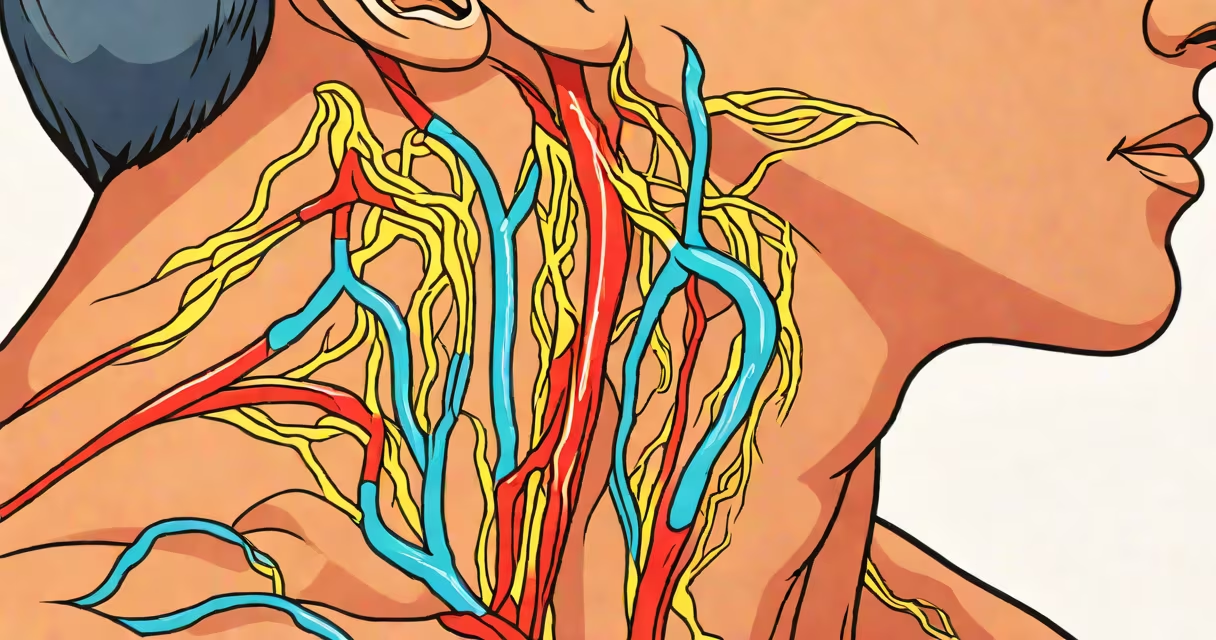
A sore right neck lymph node is a swollen, tender gland located on the right side of the neck, often signaling an immune response to infection, inflammation, or less commonly, a systemic condition like lymphoma.
Lymph nodes are small, bean-shaped organs distributed throughout the body. They filter fluid, trap pathogens, and activate immune cells. The right neck contains several clusters of lymph nodes-submental, submandibular, and deep cervical-that drain areas like the mouth, throat, scalp, and upper respiratory tract. When these nodes swell due to increased activity, they may become palpable and painful.
Swelling typically appears within days of exposure to a virus or bacteria. For example, a recent cold or strep throat can trigger enlargement of the right-sided deep cervical lymph nodes. Most cases resolve without treatment within 1-2 weeks. However, persistent or progressively worsening tenderness requires medical evaluation to rule out serious causes.
How a sore right neck lymph node forms
When pathogens enter the body through the skin, mouth, or nose, immune cells send signals to nearby lymph nodes. Antigen-presenting cells carry foreign material to the node, where B and T cells mount a defense. This process increases blood flow and fluid accumulation, causing the node to enlarge and sometimes become painful.
Pain arises from pressure on surrounding nerves and tissues as the node swells. The skin over the area may feel warm or appear slightly red. In acute infections, nodes can grow to 1-2 cm in diameter and remain tender for several days. If the underlying cause resolves, the node gradually returns to normal size.
Chronic inflammation or persistent infection can lead to fibrosis or scarring, making the node firm and fixed. This pattern raises concern for malignancy, especially if the node persists beyond four weeks or grows larger.
Types and common causes
Not all swollen lymph nodes are the same. Their location, texture, mobility, and duration help differentiate benign from concerning causes.
| Type | Common Cause | Characteristics | Typical Duration |
|---|---|---|---|
| Reactive (benign) | Viral upper respiratory infection, strep throat | Soft, mobile, tender, 1-2 cm | 1-3 weeks |
| Infectious (bacterial) | Tuberculosis, cat scratch disease, syphilis | Firm, may fluctuate, can abscess | Weeks to months if untreated |
| Malignant | Lymphoma, metastatic cancer (e.g., thyroid, head/neck) | Hard, fixed, painless, >2 cm | Persistent, progressive |
Reactive nodes are the most frequent cause of a sore right neck lymph node. Viral illnesses such as Epstein-Barr virus (EBV), cytomegalovirus (CMV), or even mild herpes simplex can trigger bilateral or unilateral swelling. Strep throat, caused by group A Streptococcus, commonly affects the right deep cervical chain, leading to localized pain and fever.
Bacterial infections like tuberculosis (TB) or cat scratch disease (caused by Bartonella henselae) may present with slower onset and more systemic symptoms. TB lymphadenitis often begins as a painless swelling that progresses to ulceration or drainage. Cat scratch disease typically follows a scratch or bite from a cat and develops a node that enlarges over 2-4 weeks.
Non-infectious causes include autoimmune disorders like lupus or sarcoidosis, which can cause generalized lymphadenopathy. However, isolated right neck involvement is rare in these conditions.
When to seek medical care
Most sore right neck lymph nodes resolve on their own. But certain red flags demand prompt evaluation. Nodes that persist beyond four weeks, grow larger, or feel hard and immobile require imaging and biopsy.
Additional warning signs include unexplained weight loss (>10 lbs in 6 months), night sweats, fevers lasting more than 10 days, or fatigue. These systemic symptoms suggest a chronic infection or malignancy. A study published in JAMA Internal Medicine found that patients with persistent lymphadenopathy and constitutional symptoms had a 15% chance of lymphoma upon biopsy.
I once evaluated a 34-year-old patient who presented with a 6-week history of a painless, 3-cm mass on the right side of his neck. He denied recent illness but reported low-grade fevers and unintentional weight loss. Ultrasound revealed a hypoechoic, irregular node with central necrosis. Biopsy confirmed Hodgkin lymphoma. Early diagnosis prevented progression and improved outcomes.
For those with a history of smoking, alcohol use, or prior head and neck cancers, any new lymph node must be investigated. Metastatic squamous cell carcinoma from the oral cavity or pharynx often spreads to the upper jugular chain, presenting as a hard, fixed node.
Differentiating from similar conditions
A sore right neck lymph node is often mistaken for other neck masses. Salivary gland swelling, thyroid nodules, and cysts can mimic lymphadenopathy but differ in location and texture.
Submandibular salivary glands lie beneath the jawline. Swelling here is usually painless unless obstructed by a stone. Thyroid nodules sit lower in the neck, just above the Adam's apple, and move with swallowing. Cysts like epidermal inclusion cysts are superficial, mobile, and may drain pus.
Not all neck lumps are lymph nodes. A 2020 review in Head & Neck noted that misdiagnosis occurred in 12% of primary care cases involving neck masses. Ultrasound-guided fine-needle aspiration (FNA) improves accuracy by distinguishing solid from cystic lesions and identifying malignant cells.
Another common error is assuming all swollen nodes require antibiotics. Overprescribing antibiotics for viral causes contributes to resistance. The American Academy of Pediatrics recommends against antibiotics for uncomplicated viral pharyngitis, even with enlarged nodes.
Diagnosis and management
Initial assessment includes a physical exam, medical history, and important signs. Clinicians assess node size, consistency, mobility, and associated symptoms. A normal temperature and absence of rash reduce suspicion for systemic illness.
If the node remains enlarged past four weeks, imaging such as ultrasound or CT scan may be ordered. Ultrasound is preferred for initial evaluation due to its lack of radiation and ability to detect internal architecture. Features like cortical thickening, loss of hilum, or vascularity increase concern for malignancy.
For uncertain cases, FNA biopsy provides tissue for histopathology. A 2021 study in Cancer Cytopathology showed FNA had 94% sensitivity and 98% specificity in diagnosing lymphoma. Results guide treatment decisions, including whether to refer to oncology.
Benign reactive nodes often improve with rest, hydration, and over-the-counter pain relief. Antibiotics are reserved for confirmed bacterial infections, such as strep or TB. Treatment duration varies: 10 days for strep, 6-9 months for TB.
When a sore right neck lymph node is due to a treatable infection, resolution typically occurs within two weeks. Persistent nodes may require follow-up imaging or biopsy. Delaying evaluation increases risk of complications, including abscess formation or spread of infection.