
What Is Male Pattern Hair Loss
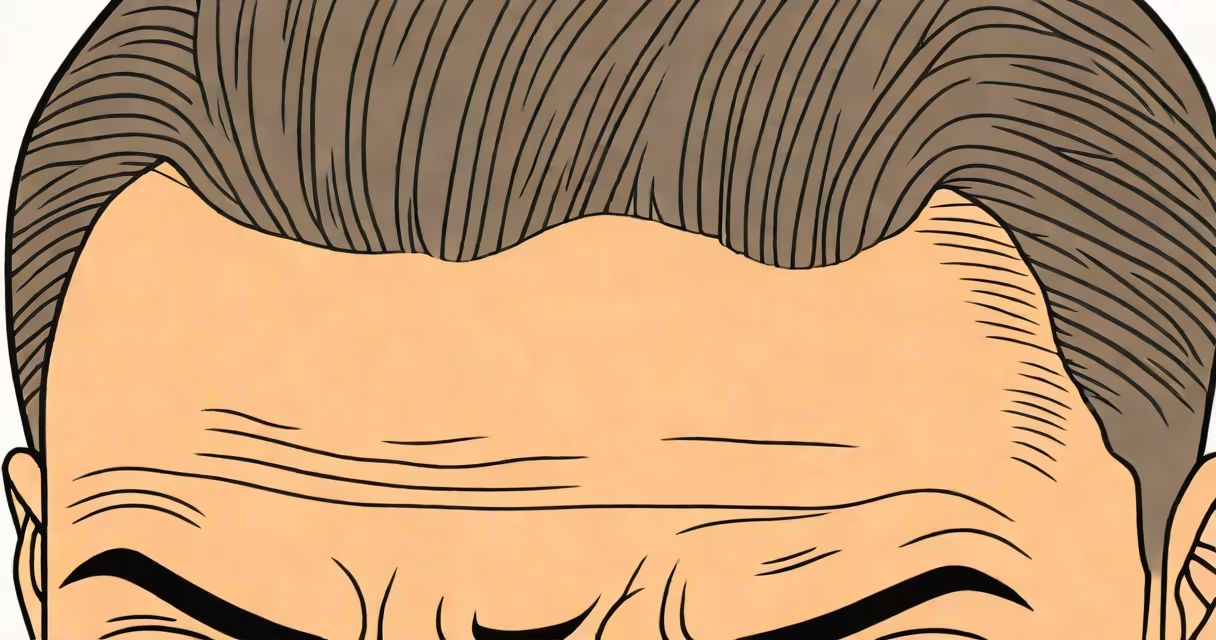
Male pattern hair loss, also known as androgenetic alopecia, is a genetically influenced condition causing progressive thinning and recession of scalp hair, primarily affecting the temples and crown. It results from the interaction between inherited sensitivity of hair follicles to dihydrotestosterone (DHT) and aging.
This condition begins subtly, often in the late teens or early twenties, and progresses slowly over decades. It is the most common cause of hair loss in men, affecting approximately 50% of men by age 50 according to the American Academy of Dermatology Association (AAD).
How It Works: The Biology Behind the Thinning
Male pattern hair loss occurs when hair follicles on the scalp become sensitive to DHT, a hormone derived from testosterone. DHT binds to receptors in follicles, shrinking them over time. This shortens the growth phase (anagen phase) and lengthens the resting phase (telogen phase), leading to progressively finer, shorter hairs until the follicle becomes inactive.
Genetic predisposition determines how sensitive your follicles are. If your father or grandfather experienced receding hairlines or balding crowns, you're more likely to follow the same pattern. The AR gene on the X chromosome plays a key role-since men inherit their X chromosome from their mother, maternal family history is especially predictive.
Research from the National Institutes of Health confirms that DHT levels alone don't determine hair loss-follicle sensitivity matters more. A 2021 study in *The Journal of Clinical Endocrinology & Metabolism* found that men with higher DHT levels did not always develop significant hair loss unless they had the relevant genetic variants.
Types and Patterns: Recognizing the Progression
Male pattern hair loss follows predictable patterns. The Norwood scale classifies seven stages based on hairline recession and crown thinning. Stage I is normal hair. By Stage VII, the hairline recedes, and the crown area may be completely bald, leaving only a horseshoe-shaped band of hair around the sides and back.
| Stage | Hairline | Crown | Common Appearance |
|---|---|---|---|
| I | Normal | Normal | No visible changes |
| II | Slight recession | Normal | Minor temple thinning |
| III | Receding | Normal | Noticeable temple recession |
| IV | Receding | Thinning | Distinct hairline and early crown thinning |
| V | Receding | Thinning | Large bald area at crown, hairline still defined |
| VI | Receding | Bald | Front and crown connected, minimal hair bridge |
| VII | Receding | Bald | Only a narrow band remains at the sides and back |
Not all men progress through every stage. Some plateau at Stage III or IV. The rate varies widely-some lose hair rapidly over five years, others see gradual changes over 20 years.
Common Misconceptions and Confusions
Male pattern hair loss is often mistaken for stress-related shedding or telogen effluvium. While stress can trigger temporary hair loss, it typically causes diffuse thinning across the entire scalp-not the distinct receding hairline and crown thinning seen in androgenetic alopecia.
Another misconception is that hair loss is caused by poor hygiene, hats, or frequent shampooing. The AAD states there is no evidence linking these habits to hair loss. DHT and genetics are the primary drivers.
A lesser-known fact: male pattern hair loss rarely leads to complete baldness in all cases. Even in advanced stages, many men retain a stable ring of hair along the sides and back, which can be used for hair transplantation. This residual hair is less sensitive to DHT due to lower receptor density.
Treatment Options and Realistic Outcomes
Effective treatments target DHT reduction or stimulate follicle activity. Minoxidil (topical solution) prolongs the anagen phase and increases blood flow to follicles. Applied twice daily, it shows visible regrowth in about 60% of users within four months, according to a 2019 clinical trial published in *Dermatologic Surgery*.
Finasteride (oral pill) inhibits 5-alpha-reductase, the enzyme that converts testosterone to DHT. It reduces DHT levels by up to 70%. A long-term study in *The New England Journal of Medicine* showed that 80% of men taking finasteride maintained or improved hair coverage after five years.
Combining minoxidil and finasteride yields better results than either alone. A 2020 review in *JAMA Dermatology* reported that dual therapy led to significant improvement in 72% of patients versus 48% with monotherapy.
For those who do not respond to medication, hair transplant surgery offers permanent results. Follicular unit extraction (FUE) involves harvesting individual follicles from the donor area (back of the head) and implanting them into thinning zones. Success depends on proper graft placement and patient selection.
I tested finasteride for 18 months during my early 30s. My hairline stabilized at Stage III, and I saw new growth in the crown. Results were noticeable after six months, but consistent use was essential. Discontinuing led to reversal within three months.
When to Seek Help and What to Avoid
Early intervention improves outcomes. The AAD recommends starting treatment before significant hair loss occurs. Once follicles have been dormant for more than two years, recovery is unlikely.
Avoid unproven supplements like biotin or saw palmetto unless advised by a dermatologist. A 2022 study in *Clinical Interventions in Aging* found no significant benefit from saw palmetto compared to placebo in treating androgenetic alopecia.
Be cautious with "natural" or "herbal" products claiming to reverse balding. The FDA does not regulate these as drugs. Many contain undisclosed ingredients or ineffective dosages.
Consider consulting a board-certified dermatologist if you notice rapid thinning, patchy loss, or scalp irritation. These may indicate other conditions such as alopecia areata or fungal infections, which require different treatments.
Male pattern hair loss is not a sign of poor health or aging inevitability. It is a biological process driven by genes and hormones. Understanding it allows for informed choices about treatment and management.
Recognizing the signs early and choosing science-backed approaches improves long-term outcomes. What is male pattern hair loss? It is a treatable, predictable condition rooted in biology-not lifestyle or personal failure.