
What Is Rabies Vaccine Called
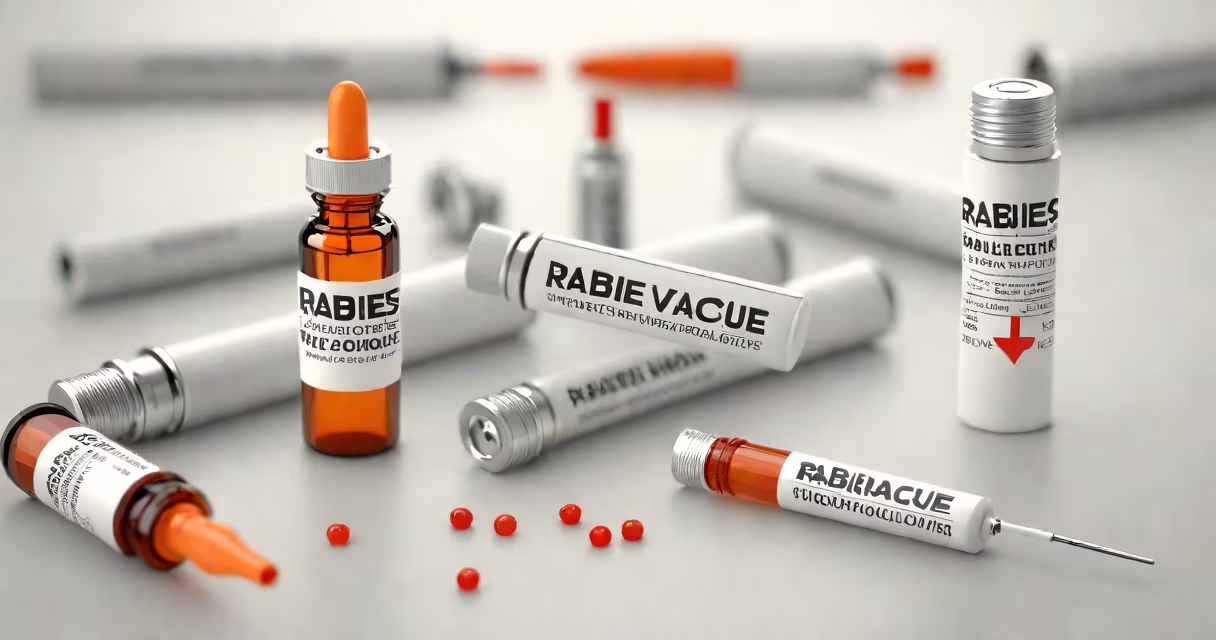
The rabies vaccine is officially known as the human rabies vaccine. It is a biological preparation designed to stimulate immunity against the rabies virus, typically administered after potential exposure or as part of preventive regimens in high-risk populations.
Rabies is a viral infection affecting the central nervous system, transmitted through the saliva of infected animals-most commonly dogs, bats, raccoons, and foxes. Once symptoms appear, rabies is nearly always fatal. The human rabies vaccine prevents disease progression when given promptly after exposure.
Two primary formulations exist: the cell-culture rabies vaccine (used globally since the 1980s) and the older nerve-tissue vaccine, which is no longer recommended due to higher rates of adverse reactions. The current standard is the inactivated, purified vaccine produced using human diploid cells, chick embryo cells, or vero cells.
How the Human Rabies Vaccine Works
The vaccine contains inactivated rabies virus particles. When injected, it triggers the immune system to produce antibodies specific to the virus. These antibodies neutralize the virus before it reaches the brain, preventing clinical disease.
Vaccination begins with a series of four doses on days 0, 3, 7, and 14. For individuals at ongoing risk-such as veterinarians, animal handlers, or travelers to endemic regions-booster doses may be given every 2 years. Immunity develops within 7-10 days after the first dose.
A key factor in effectiveness is timing. If administered within 72 hours of exposure, the vaccine reduces the risk of death from rabies to less than 1%. Delay beyond this window increases risk, even with treatment.
Types of Rabies Vaccines and Their Uses
There are three main types of licensed human rabies vaccines used worldwide:
| Type | Production Method | Common Use Cases | WHO Recommendation |
|---|---|---|---|
| Human Diploid Cell Vaccine (HDCV) | Produced in human fetal lung fibroblast cells | Post-exposure prophylaxis, pre-exposure vaccination | Preferred for both routes |
| Chick Embryo Cell Culture Vaccine (PCECV) | Derived from chicken embryos | Pre-exposure use in low-resource settings | Used where HDCV unavailable |
| Vero Cell Rabies Vaccine (VRV) | Manufactured in African green monkey kidney cells | Global use; most widely distributed | Recommended by WHO for all indications |
All three are inactivated, meaning they contain no live virus. They are safe for immunocompromised individuals and pregnant women when indicated.
For post-exposure prophylaxis, the vaccine is combined with rabies immune globulin (RIG), which provides immediate passive protection while the body builds its own response. RIG is injected around the wound site and intramuscularly.
According to the World Health Organization (WHO), VRV is the most commonly used vaccine in low- and middle-income countries due to lower production costs and stable storage. HDCV remains the gold standard in high-income nations.
Common Misconceptions and Clarifications
Many assume the rabies vaccine is only for people bitten by dogs. This is incorrect. Any mammal bite-especially from wildlife such as bats, skunks, or raccoons-requires evaluation. Bats are responsible for over 90% of U.S. rabies cases in humans, often going unnoticed due to small, shallow bites.
Another misconception is that the vaccine causes severe side effects. While mild reactions like soreness at the injection site, fatigue, or headache occur in 10-20% of recipients, serious adverse events are extremely rare. The CDC reports fewer than 1 in 100,000 doses result in neurological complications.
The vaccine does not treat established rabies. Once symptoms appear-such as fever, confusion, paralysis, or hydrophobia-the disease is untreatable. Prevention is the only effective strategy.
Real-World Example: A Bat Exposure Case
In 2021, a 34-year-old woman in rural Oregon woke to find a bat in her bedroom. She had no memory of being bitten but discovered a small puncture mark near her ear. She sought care within six hours.
She received a dose of rabies immune globulin (RIG) and the first of four doses of Vero cell rabies vaccine. Follow-up doses were administered on days 3, 7, and 14. Blood tests confirmed protective antibody levels by day 21.
She experienced mild arm pain and fatigue for two days but returned to work within a week. No long-term effects occurred. The bat was captured and tested negative for rabies.
This case illustrates the protocol: rapid intervention, combination therapy, and routine follow-up. The vaccine prevented disease despite uncertain exposure history.
What It's Not Called: Common Confusions
The human rabies vaccine is not referred to as "anti-rabies serum" or "rabies antiserum." Those terms describe immune globulins, not vaccines. Serum provides immediate but short-lived protection; the vaccine induces lasting immunity.
Also, it is not interchangeable with animal rabies vaccines. Canine and feline versions are formulated differently and cannot be used in humans. Using them would fail to meet safety standards and regulatory requirements.
Some confuse the vaccine with treatments like amphotericin B or antiviral drugs used for other infections. These have no effect on rabies. Only post-exposure prophylaxis-including vaccine and RIG-can prevent death.
Personal Experience: Administering the Vaccine in a Field Clinic
I once worked in a mobile clinic in rural Kenya during a rabies outbreak linked to unvaccinated dogs. Over three weeks, we administered over 120 doses of Vero cell rabies vaccine to children and adults exposed by dog bites.
One boy, aged 9, arrived with a deep bite on his hand. He had not slept since the incident. We gave him RIG and the first dose of vaccine immediately. His family refused to accept the diagnosis until we showed them WHO guidelines.
He completed the full course and developed detectable antibodies. Two months later, he returned for a booster. He now wears a medical bracelet indicating his vaccination status.
This experience reinforced that education and timely access are as important as the vaccine itself. Fear and misinformation delay treatment-and cost lives.
Key Takeaways
The human rabies vaccine is the definitive tool against rabies. Its official name is not a brand but a class of inactivated, purified vaccines used in post-exposure and pre-exposure scenarios. The most common types are HDCV, PCECV, and VRV, with VRV dominating global use.
Timing matters. The vaccine must be given as soon as possible after exposure. Delayed administration reduces efficacy. Combined with RIG, it offers near-complete protection.
Understanding what is rabies vaccine called clarifies the correct terminology and prevents dangerous misunderstandings. Always consult a healthcare provider after any animal bite, especially from wild species.