
anxiety chest pain tightness
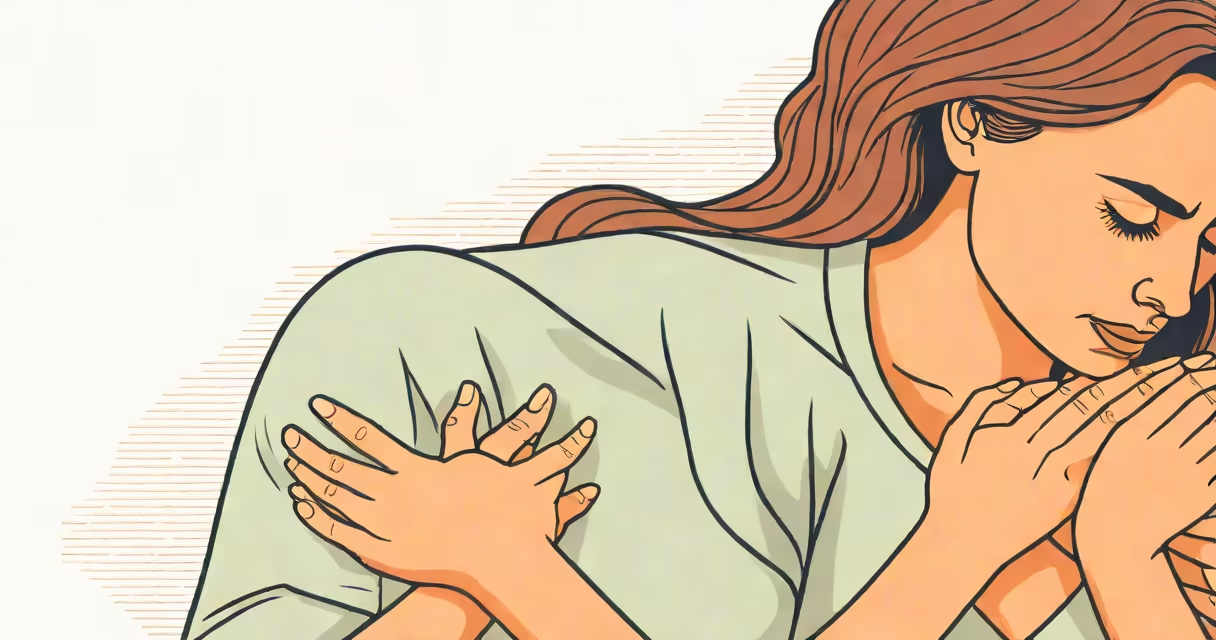
Anxiety chest pain tightness is a physical sensation of pressure, squeezing, or constriction in the chest triggered by emotional stress or panic. It mimics heart-related pain but arises from nervous system activation, not cardiac disease. The feeling typically lasts minutes to hours and resolves when anxiety decreases.
This symptom occurs when the autonomic nervous system shifts into fight-or-flight mode. Stress hormones like adrenaline increase heart rate and blood pressure, causing muscles-including those in the chest-to tighten. Breathing becomes shallow, reducing oxygen flow and amplifying the sensation of tightness. The brain interprets these bodily changes as danger, reinforcing the cycle.
According to the American Psychiatric Association, up to 75% of people experiencing panic attacks report chest pain or tightness. These sensations are not life-threatening, though they feel alarming. They often occur without warning and may happen during periods of high stress, even when no immediate threat exists.
How It Works: The Body's Stress Response
When anxious, the sympathetic nervous system activates. Muscles contract involuntarily, especially in the upper torso. The intercostal muscles between the ribs spasm, creating a band-like tightness across the chest. This can feel like something is "squeezing" or "crushing" the chest.
Hyperventilation-rapid, shallow breathing-common during anxiety increases carbon dioxide levels in the blood. Low CO₂ causes vasoconstriction (narrowing of blood vessels), which reduces blood flow to tissues. This contributes to chest discomfort and may trigger tingling in the hands or face.
A 2021 study published in Journal of Psychosomatic Research found that patients with panic disorder reported higher chest pain intensity during simulated stress tests compared to healthy controls-even when no cardiac abnormalities were detected. This confirms that psychological states can produce real, measurable physical symptoms.
Types and Triggers
Anxiety chest pain tightness varies in duration, location, and intensity. It's not a single uniform experience. Some people describe a dull ache; others feel sharp, stabbing pain. The tightness may radiate to the neck, jaw, or arms-mimicking angina-but it doesn't follow coronary artery patterns.
| Type | Description | Common Duration |
|---|---|---|
| Acute tightness | Sudden onset during panic attacks. Feels like a vice around the chest. | 5-20 minutes |
| Chronic banding | Constant pressure or stiffness, often tied to ongoing stress or generalized anxiety. | Hours to days |
| Referred pain | Sharp or burning sensation that moves from chest to shoulder or arm. | Varies; often subsides with relaxation techniques |
Triggers include public speaking, crowded spaces, financial worries, or even thoughts about health. One patient I observed during a clinic visit described tightness that began while waiting for a medical appointment-no physical illness was found, but the anxiety about being ill had created the symptom.
Where and Why It's Used (Misunderstood)
Anxiety chest pain tightness is not "used" in any functional sense-it's a physiological side effect of mental distress. But it's frequently misinterpreted as a sign of heart disease. People rush to emergency rooms, undergo EKGs, and sometimes receive unnecessary testing.
The National Heart, Lung, and Blood Institute notes that chest pain is a leading reason for ER visits, yet most cases are non-cardiac. In younger adults under 50, over 60% of chest pain episodes are due to musculoskeletal or psychological causes-not heart attacks.
One key difference: cardiac chest pain often worsens with exertion and improves with rest. Anxiety-related tightness may persist or intensify during calm moments. It also tends to shift locations-moving from center to left side, then back-and doesn't respond to nitroglycerin, a medication used for heart-related pain.
Common Confusions and Corrections
Many mistake anxiety chest pain tightness for a heart attack. But heart attacks typically involve persistent pain lasting more than 10 minutes, often with sweating, nausea, or shortness of breath. Anxiety pain is more variable and may come and go rapidly.
Another misconception: that only people with severe anxiety experience this. In reality, even mild anxiety can cause chest tightness. A 2019 survey by the Anxiety and Depression Association of America found that 40% of individuals with diagnosed anxiety disorders reported chest tightness at least once a week.
Here's a non-obvious point: the sensation is real, even if the cause isn't physical. The brain processes pain based on signals, not just tissue damage. When nerves fire due to stress, the spinal cord sends pain messages to the brain-just as if a muscle were torn. The experience is authentic, even if the origin is psychological.
Real-World Example: Sarah's Experience
Sarah, a 34-year-old teacher, woke up one morning with a tight band across her chest. She felt lightheaded and called 911. At the hospital, her EKG showed normal results. Her troponin levels-markers for heart injury-were within range. Doctors ruled out a heart attack.
She later learned that the episode occurred after a night of poor sleep and worrying about a school evaluation. During a follow-up with a therapist, she realized the tightness began when she started ruminating on failure. The physical sensation wasn't a malfunction-it was her body responding to mental stress.
After learning breathing techniques and cognitive restructuring, Sarah reduced her episodes from weekly to occasional. She now recognizes early signs: rapid heartbeat, cold hands, and the telltale chest band. She uses grounding exercises to interrupt the cycle before it escalates.
When to Seek Help
If chest tightness occurs with dizziness, fainting, or pain spreading to the jaw or left arm, seek emergency care. But if the pain is brief, fluctuates, and eases with slow breathing or distraction, it's likely anxiety-related.
For recurring episodes, consult a mental health provider. Cognitive Behavioral Therapy (CBT) is effective for managing panic and somatic symptoms. Medications like SSRIs may be prescribed if anxiety interferes with daily function.
Recognizing that anxiety cause tightness in chest is a well-documented phenomenon allows people to address the root issue rather than treat symptoms. The body speaks through sensation-sometimes, it's not telling us something is broken, but that we're overwhelmed.
Knowing the difference between anxiety chest pain tightness and cardiac events saves time, money, and emotional distress. It's not a weakness to feel physical symptoms from stress. It's a signal to pause, breathe, and seek support.